
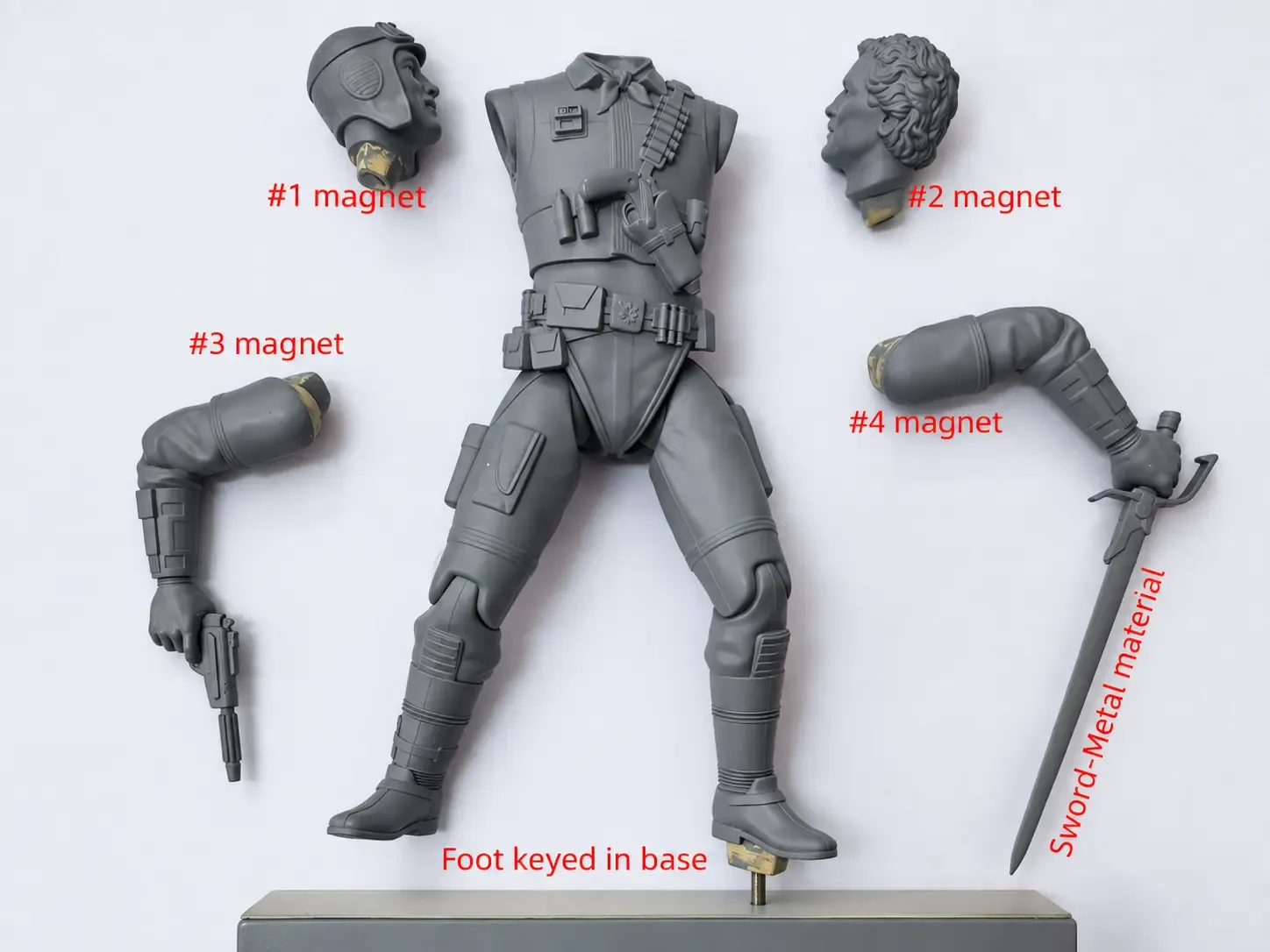
What Should a Collectible Prototype Prove Before Production?
A collectible prototype should answer defined questions about form, fit, assembly, finish or function. Learn how to separate those approvals before tooling and production.
MANCHENG INSIGHTS
Practical guides on materials, engineering, prototyping, production and quality control for collectible product teams.
A collectible prototype should answer defined questions about form, fit, assembly, finish or function. Learn how to separate those approvals before tooling and production.
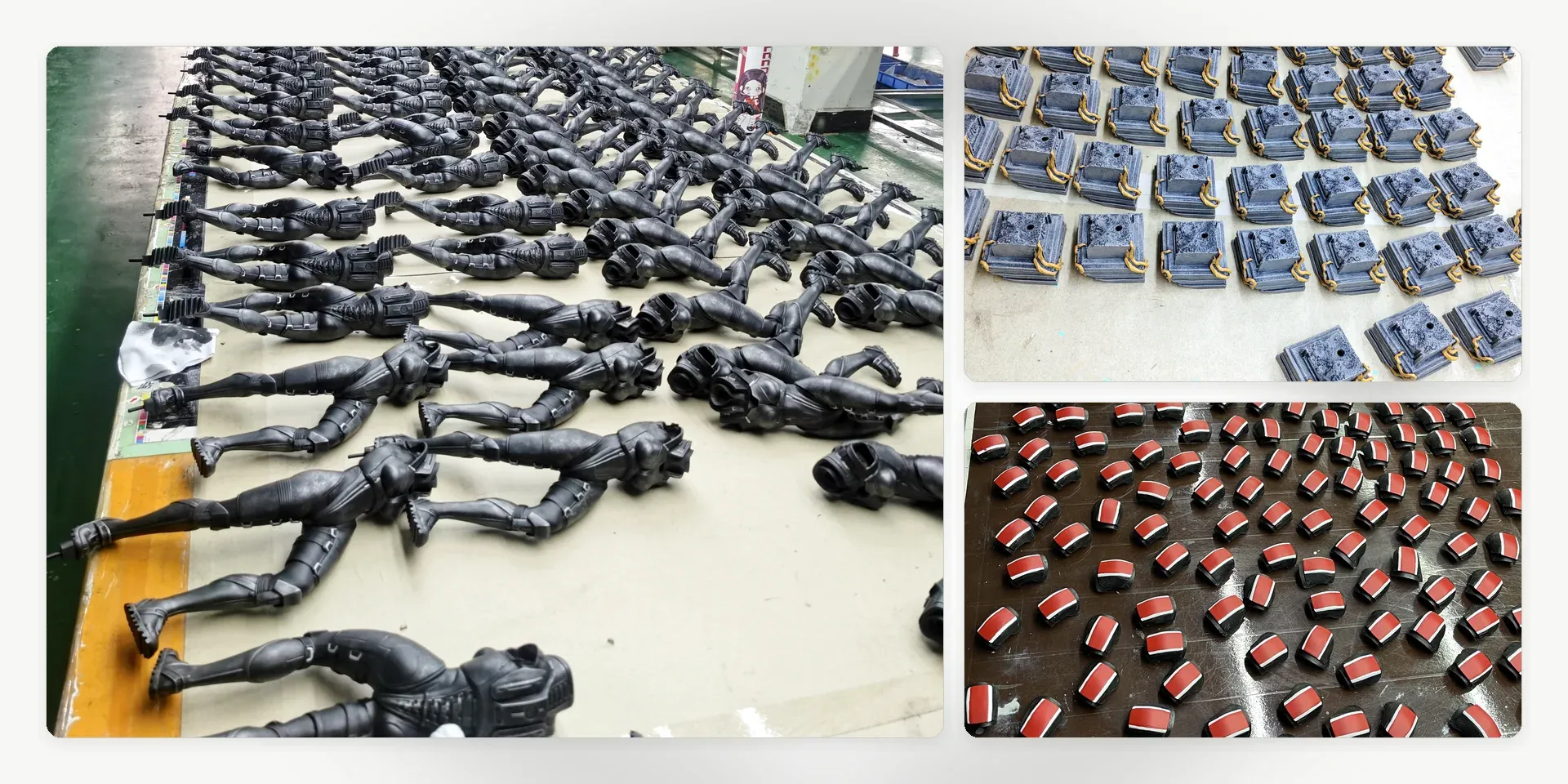
When a collectible manufacturer’s MOQ exceeds launch demand, identify the constraint behind it before changing quantity, specification, packaging or production strategy.
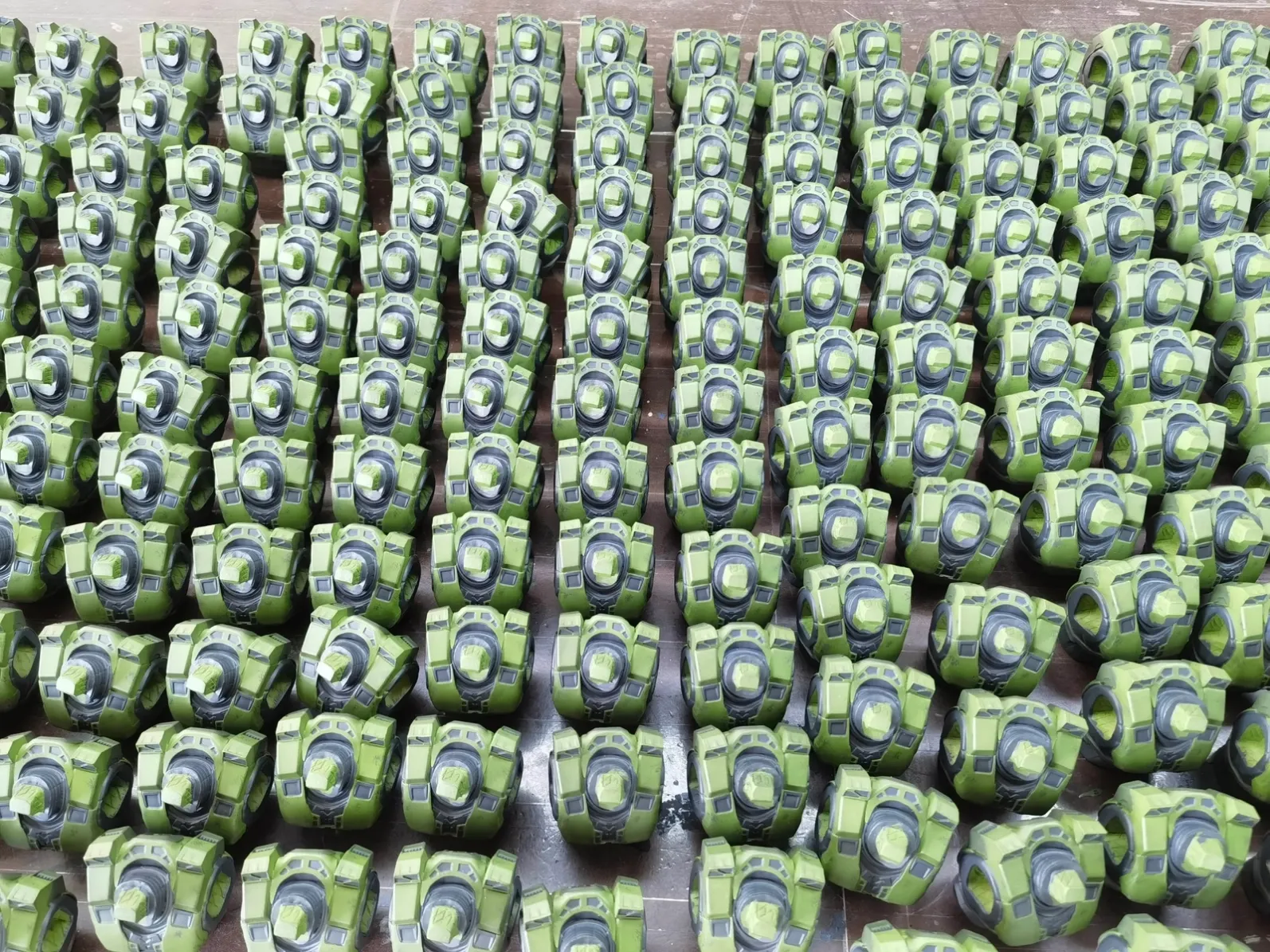
Assess painted collectible parts for the actual handling, fixture and contact demands of assembly rather than relying only on a dry-looking surface.
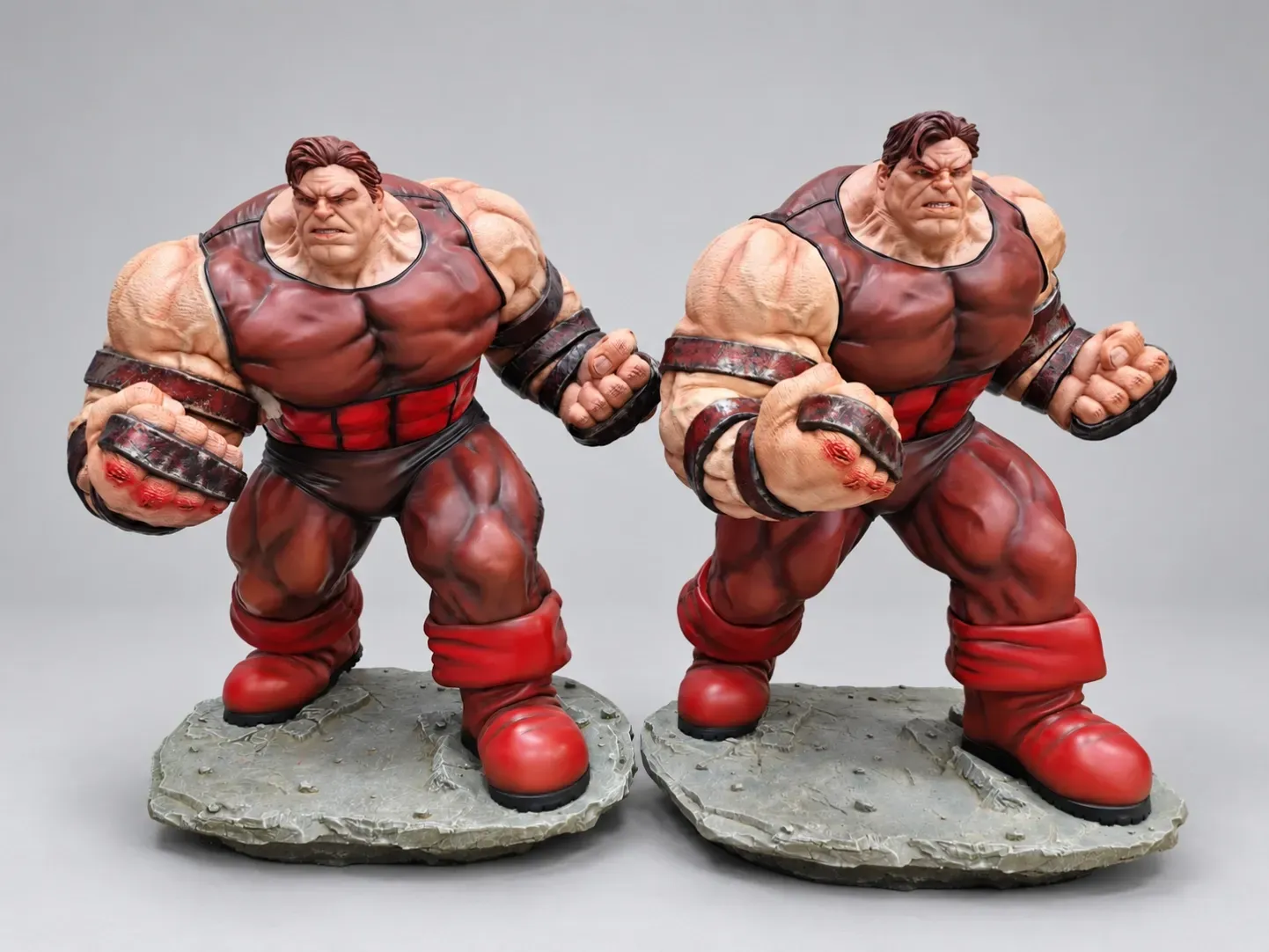
Photograph collectible samples with repeatable views, consistent lighting, clear revisions and a defined scope for each approval decision.
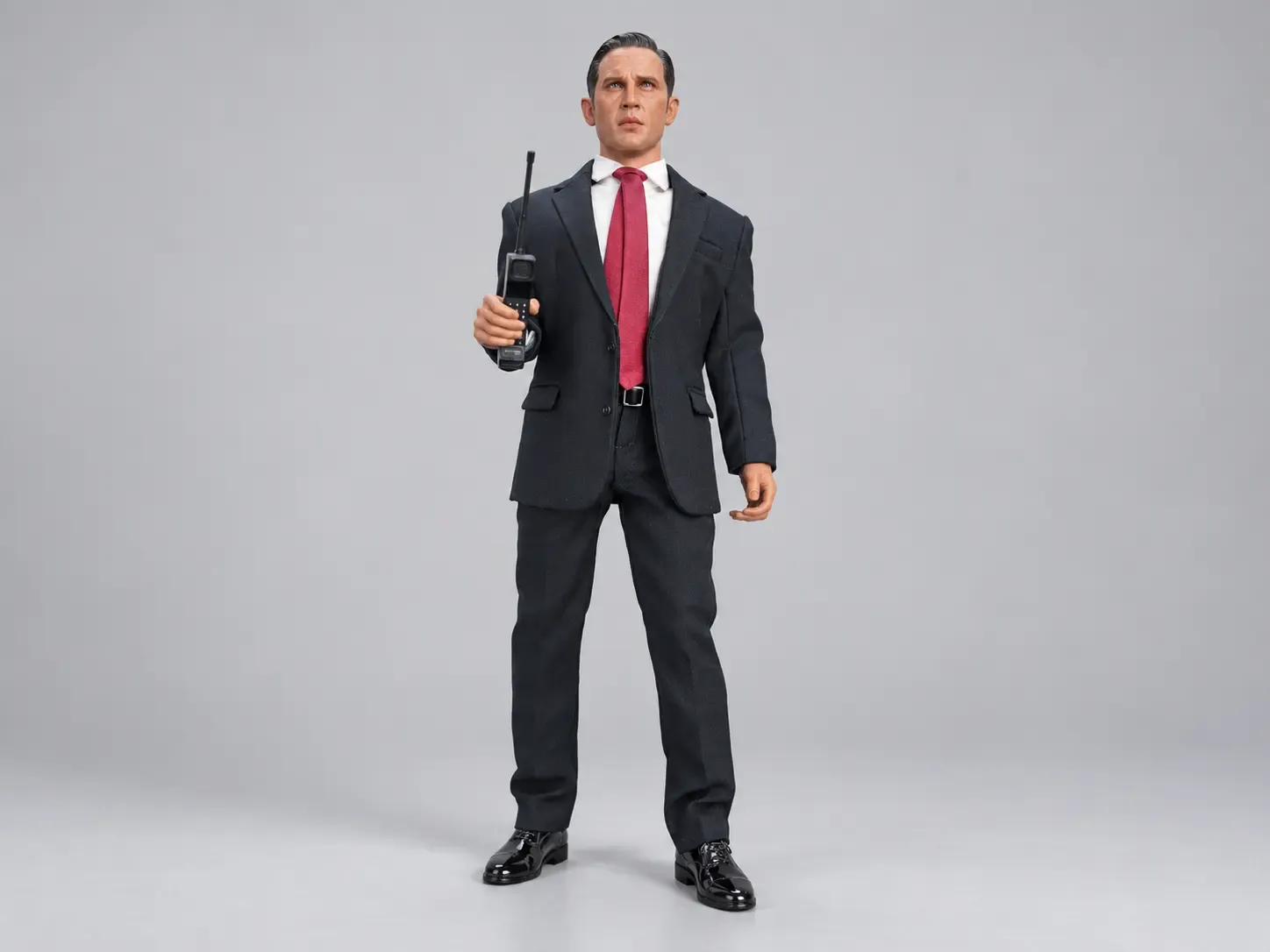
Review dye transfer risk in 1/6 figure clothing using actual fabrics, receiving surfaces, rubbing evidence and defined contact conditions.
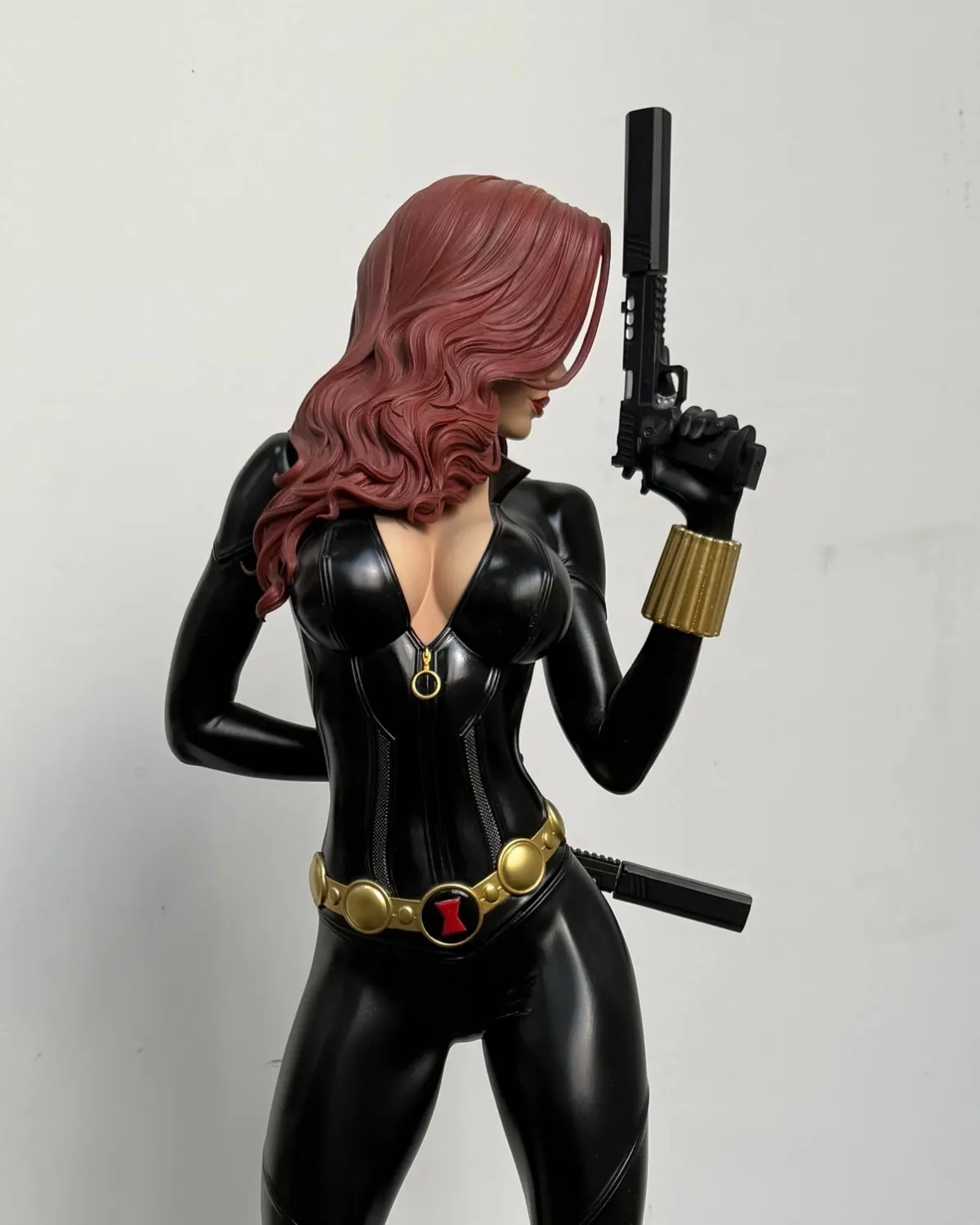
Choose rooted or sculpted hair around the hairstyle, handling, costume clearance, unpacking experience and a reproducible approval reference.
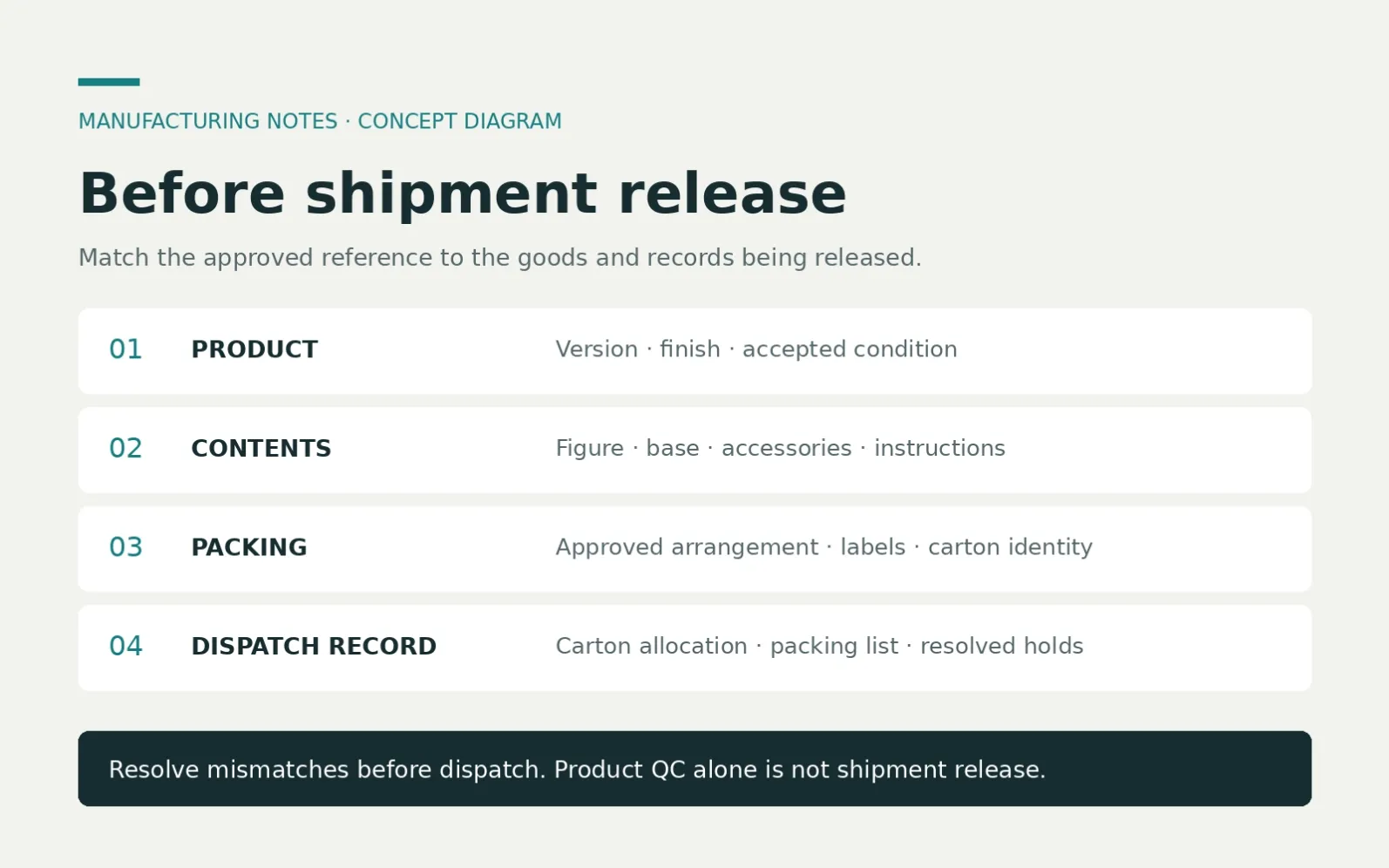
Verify collectible shipment readiness by matching product versions, accessories, packing references, labels and dispatch records before release.
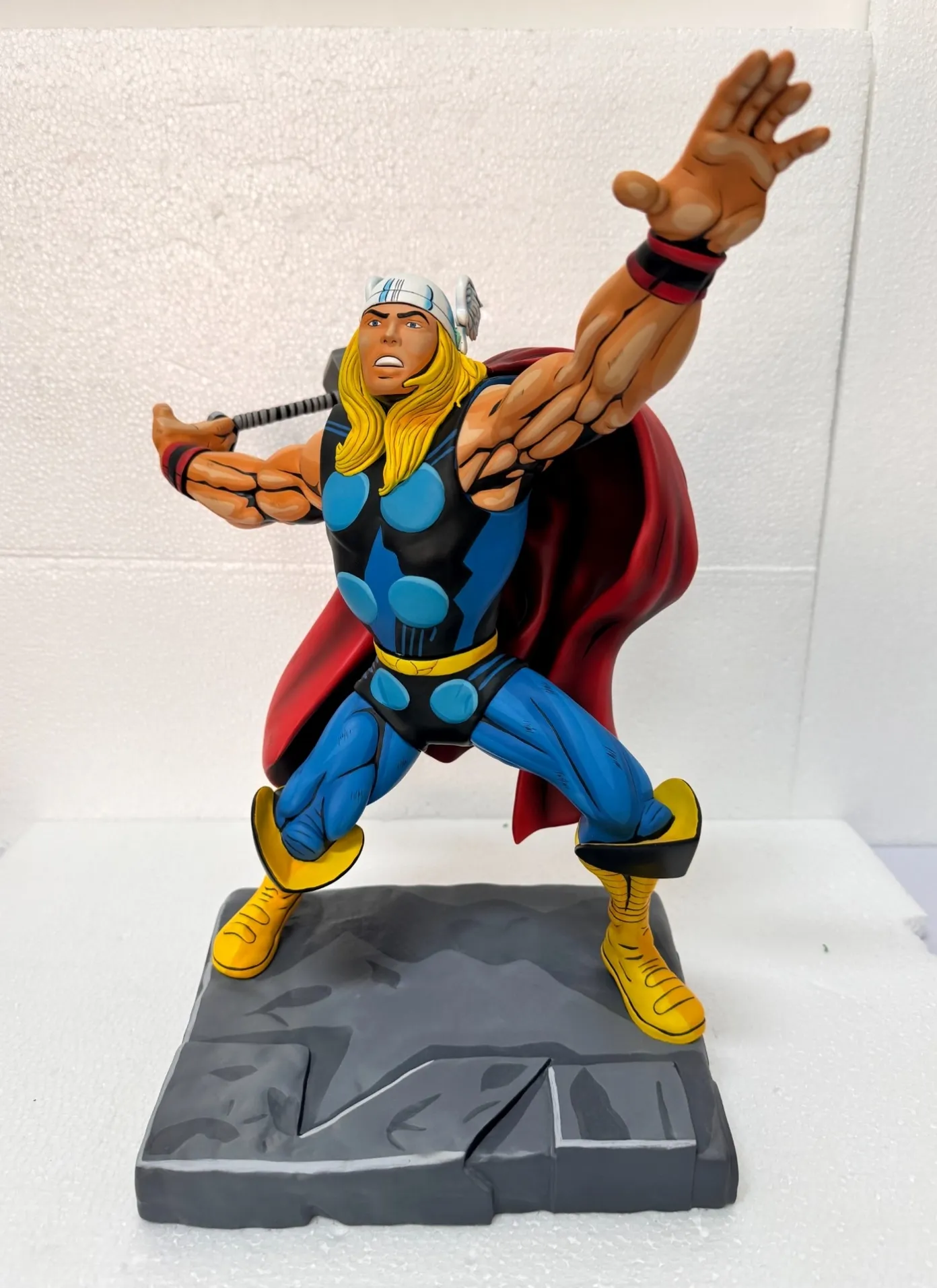
Explore how comic-style painting uses outlines, hard-edged shadows and controlled contrast to bring an illustrated look to three-dimensional collectible statues.
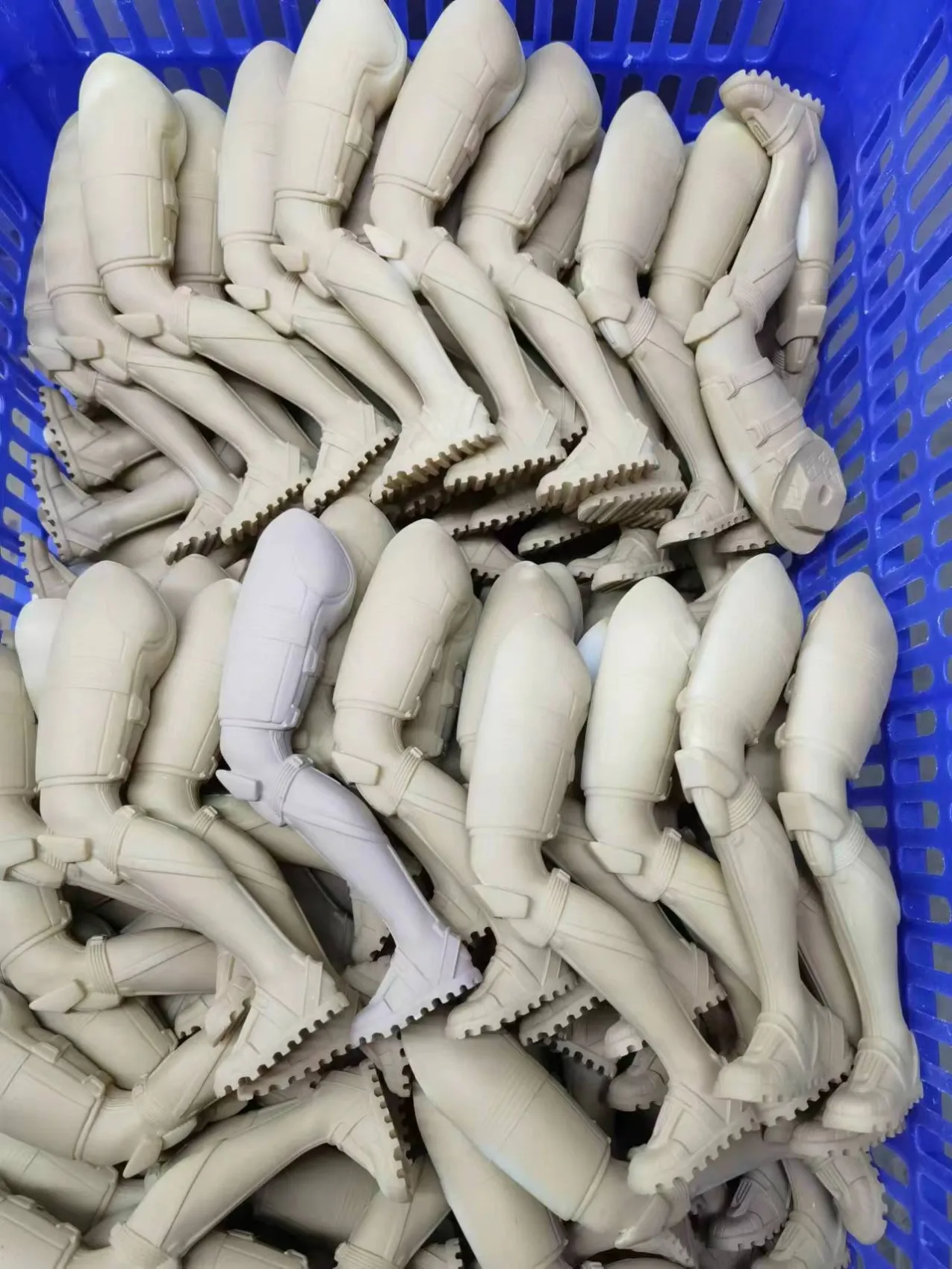
Plan collectible replacement parts with defined service units, clear part references, revision compatibility, protected storage and an agreed support route.
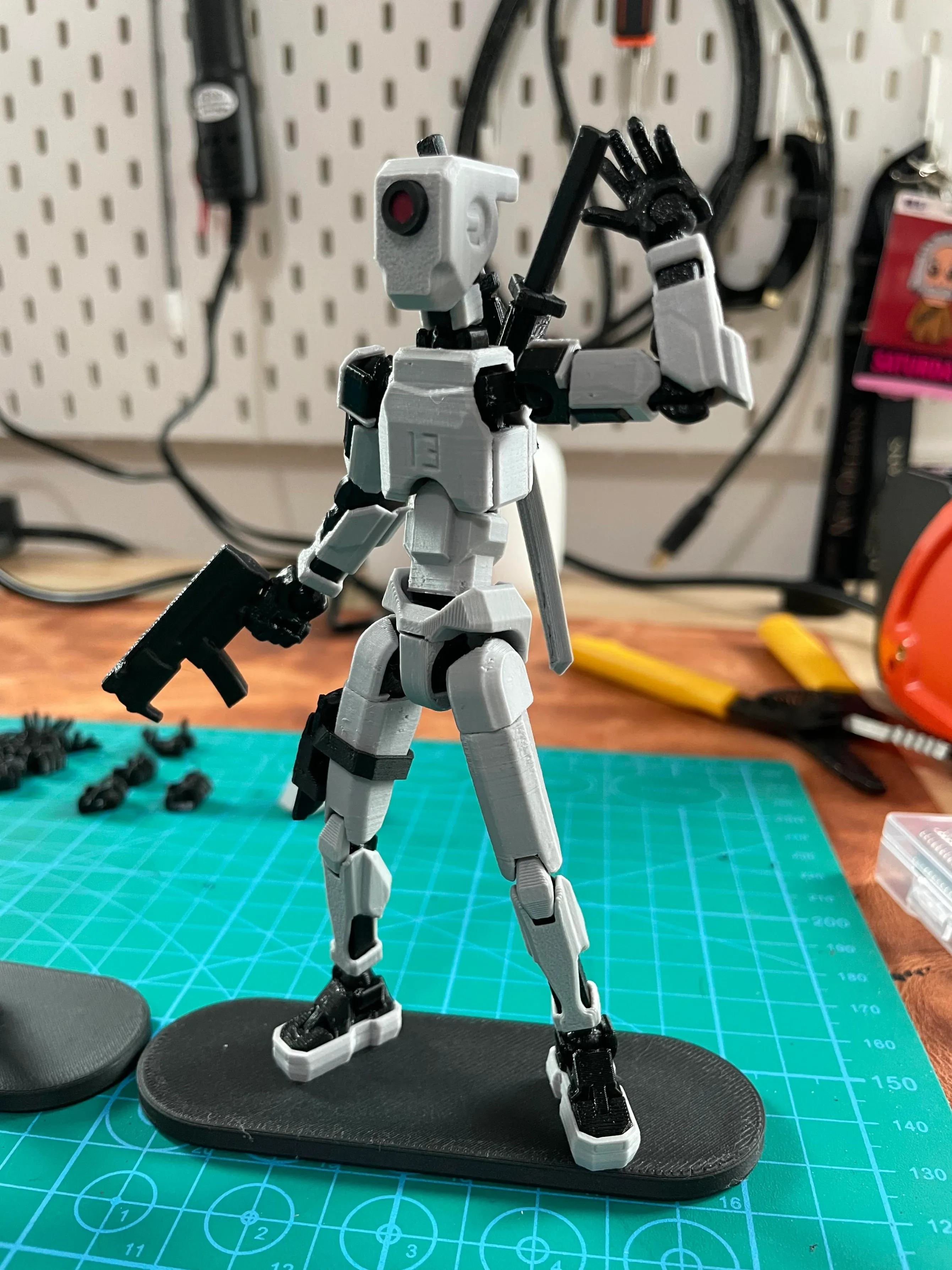
Approve magnetic collectible bases using the finished figure, actual contact surfaces, intended display positions and a clear removal sequence.