Oct 30, 2026
How to Review Dye Transfer Risk in 1/6 Figure Clothing
Review dye transfer risk in 1/6 figure clothing using actual fabrics, receiving surfaces, rubbing evidence and defined contact conditions.

Review dye transfer risk using the actual colored fabrics and the figure surfaces they will contact, with separate attention to rubbing and extended contact. A garment that fits well and looks clean when first dressed has not yet answered what happens beneath a collar, cuff or waistband during storage and use.
Collector reports of unexplained marks are a reason to ask better development questions, not evidence that a particular fabric caused a particular stain. Before suggesting a solution, identify the materials, the contact locations and the conditions the review is meant to represent.
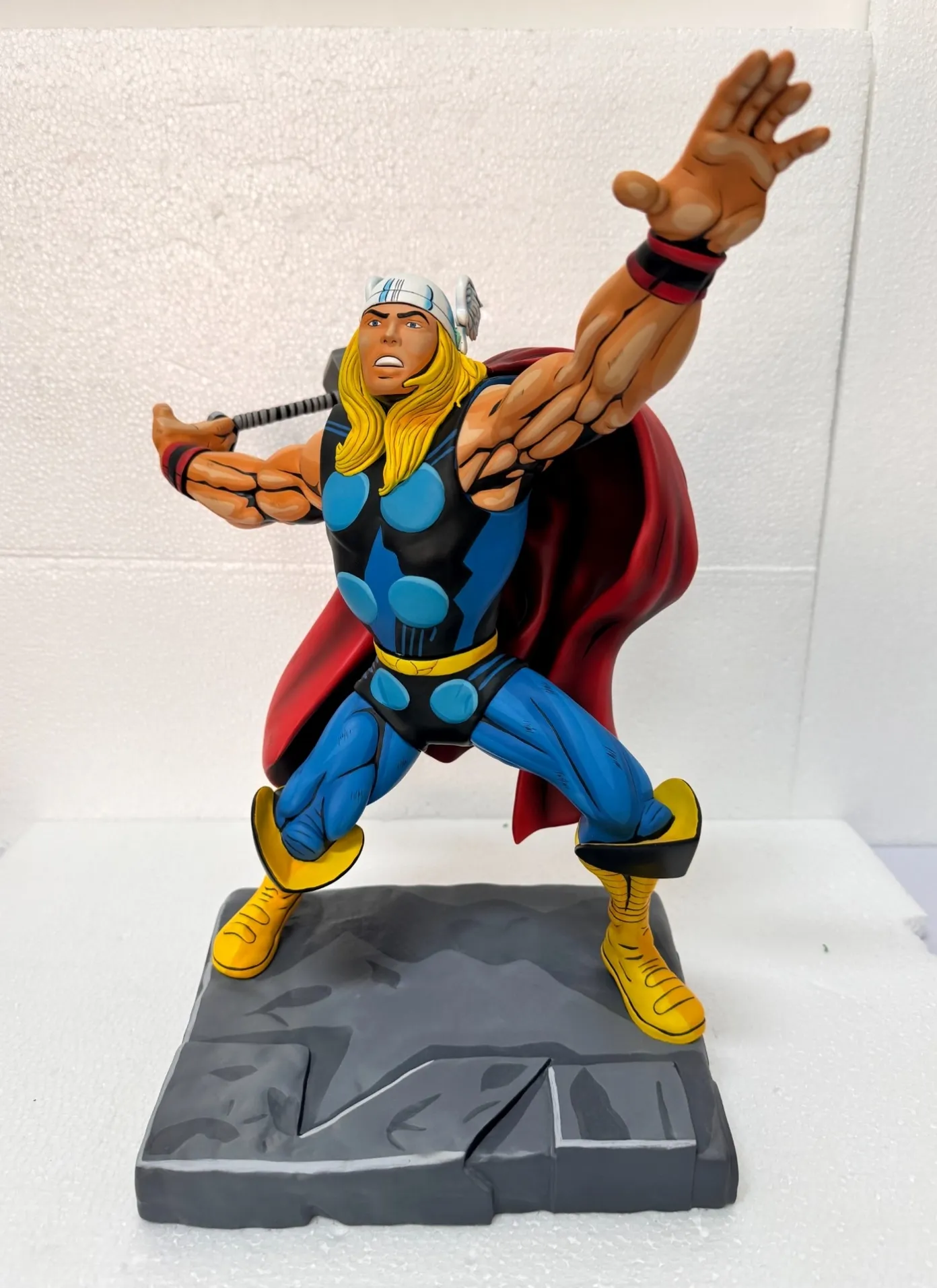
Dark fabric clothing and exposed figure surfaces shown together. This photograph illustrates contact locations; it does not show staining or a colorfastness test.
Map the surfaces that the clothing actually touches
Start with the dressed figure, then identify concealed contact areas. Include the garment's inside face, lining, binding, printed details and trim where they sit against the neck, wrists, torso or other components. The outer fabric swatch may not be the surface touching the body.
Record the receiving surface too. An unpainted body, a painted hand and a coated accessory should not be treated as interchangeable test surfaces. Use production-intent combinations where available and state clearly when a substitute was used.
The existing guide to fabric clothing inspection covers dressed silhouette, sewing and handling. This review addresses a different acceptance question: whether color transfers between materials in contact.
Keep rubbing evidence separate from storage evidence
AATCC's public summary of TM8 describes controlled rubbing of a colored textile against white test cloth, with dry and wet procedures. It provides a defined way to evaluate one transfer mechanism. Its public summary is not the full method, and an informal wipe should not be reported as a compliant laboratory test.
A result on white cloth also does not establish every aspect of prolonged contact with a finished figure. Discuss the relevant contact assessment with the laboratory or technical team, including the actual receiving material, contact arrangement and intended conditions. Agree the duration, environment and assessment criteria before starting; do not invent a universal exposure time or pass grade.
Maintain an unexposed comparison surface and consistent photographs where appropriate. Record discoloration separately from surface wear or damage introduced by the evaluation itself. A negative result means no transfer was detected under the documented conditions, not a lifetime guarantee.
Consider the product's dressed and packed conditions
Good Smile Company's handling guidance warns that dark outfits can transfer color with extended use, friction and warmer, humid conditions. It supports treating fabric contact as a real review issue; it does not diagnose an individual collector's photograph or establish the behavior of every material combination.
Review the intended storage configuration as well as the display pose. A cuff may rest against a wrist for a long period. A packed arm may place fabric against a painted area that remains separate during display. Document those arrangements rather than evaluating only the easiest flat swatch.
Keep these observations proportionate. This article does not prescribe an accelerated-aging method, assert a defect rate or claim that a photograph proves a material passed.
Make a material decision before relying on a warning
When an evaluation reveals transfer, compare alternatives against the same requirements. A different fabric, lining, trim or contact arrangement may change the appearance, bulk or dressing sequence. Recheck the complete outfit after a change, because solving one contact issue can affect the approved silhouette.
A separator may be worth evaluating for packing or storage, but it also needs an appropriate material and a clear removal instruction. Do not assume a generic barrier is compatible or suitable for permanent display. Likewise, washing a sample is not proof that the production material is acceptable unless that treatment is defined, repeatable and assessed afterward.
Connect the accepted fabric identity and relevant results to the garment revision. If the fabric, coloring treatment or receiving finish changes, review whether the earlier evidence still applies. This is a specific material decision within collectible development and production, not something a final appearance photograph can settle.
Frequently asked questions
Does a dark outfit always stain a figure?
No. Evaluate the specific fabric, receiving surface and contact conditions. Color alone does not establish the outcome.
Is a dry rub check enough to approve the dressed product?
It answers a limited rubbing question. Decide separately what evidence is needed for prolonged contact, the packed configuration and the actual materials.
Should a stain be removed before investigating it?
Document it first. Aggressive cleaning can change the original condition or damage the finish. Review material records and appropriate manufacturer guidance before selecting a response.