Oct 30, 2026
Rooted or Sculpted Hair for a Collectible? Choose the Hairstyle Before the Upgrade
Choose rooted or sculpted hair around the hairstyle, handling, costume clearance, unpacking experience and a reproducible approval reference.
Choose rooted or sculpted hair by reviewing the hairstyle, the intended handling and the appearance that production must repeat. Rooted hair can suit a design that depends on individual strands and natural separation. Sculpted hair can suit a precise silhouette, strongly grouped locks or a permanently wind-swept composition. Neither choice automatically makes the better collectible.
The difficult decision comes when a presentation image makes one option look like an obvious upgrade. That image may show carefully arranged hair, a single viewing angle and no interaction with a collar or shoulder. Before committing to the treatment, a product team needs to decide which parts of that appearance belong to the manufactured product and which depend on styling after unpacking.
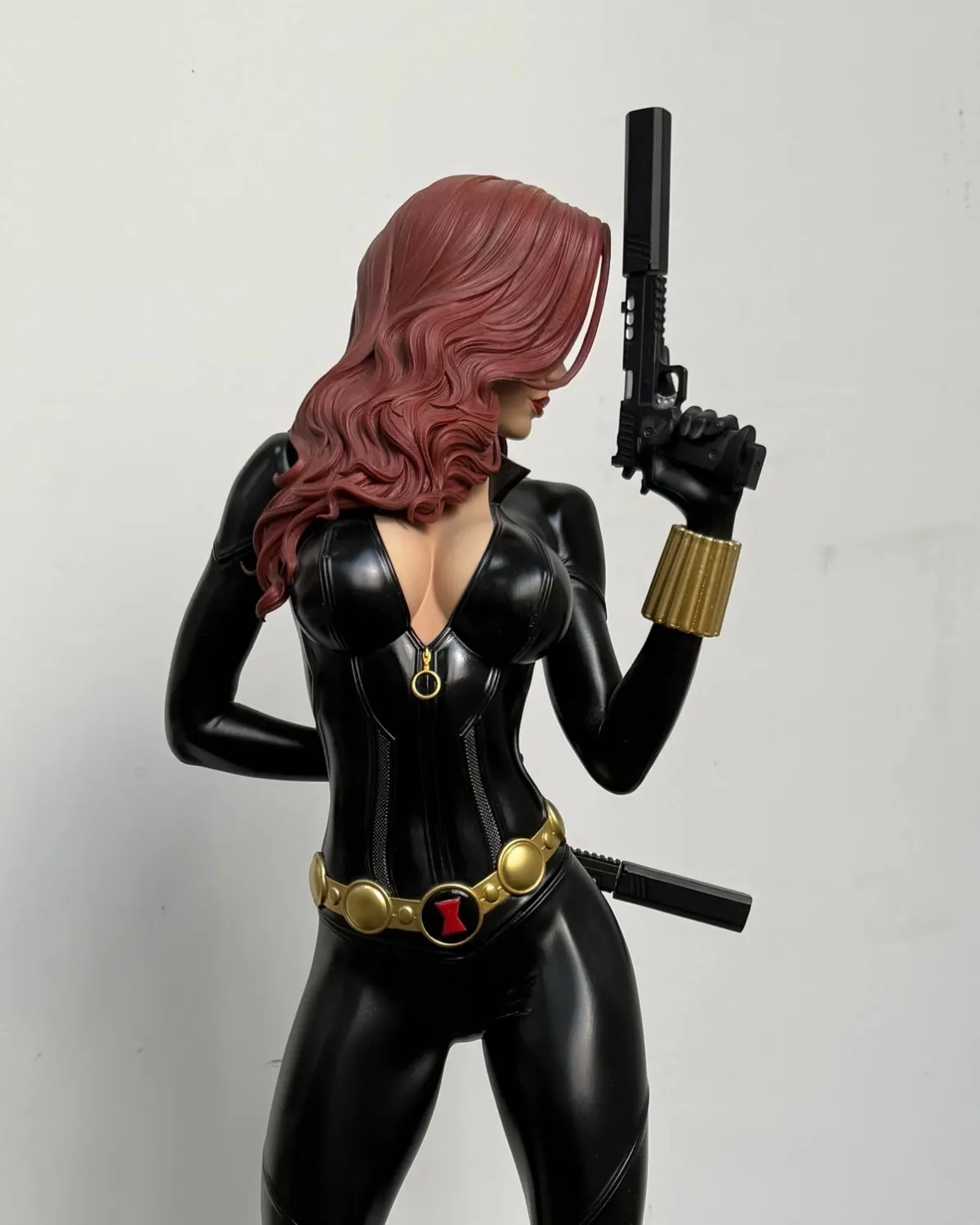
Sculpted hair illustrates a controlled silhouette and grouped locks. This photograph does not demonstrate rooted hair or a handling test.
Start with the shape that identifies the character
Put the hairstyle reference beside the complete head and upper body. Identify the features that must survive the change from illustration, screen image or digital sculpt into a physical collectible: the hairline, parting, volume around the face, exposed ears, braid direction or the sweep of a prominent lock.
Those features are more useful than a general request for realistic hair. A soft fringe and a rigid, exaggerated silhouette ask different questions of development. A flowing sculpt may deliberately describe movement that ordinary loose strands will not hold without a separate styling decision. Conversely, a finely textured hairstyle may depend on separation that a particular sculpted interpretation does not convey convincingly.
Record the required result before selecting the treatment. This keeps a material preference from quietly changing the character design.
Separate a physical appearance from a premium label
Rooted and sculpted options already coexist in the market. For example, the official Sideshow listing for Hot Toys' Ellen Ripley editions distinguishes a sculpted hairstyle from a hand-implanted wool version. That is an external product reference, not a Mancheng manufacturing case or a recommendation of one edition over another.
The useful development question is what the chosen treatment contributes to this design. Review the outline from the front, profile and rear. Look at the space between hair and face, the apparent bulk at the crown and the transition into the neck or costume.
A beautiful portrait can become less convincing when the hairstyle changes its overall proportions. Equally, adding more individual strands does not resolve a misplaced hairline. Approve the relationship between the features, rather than approving hair and face as unrelated samples.
Decide how much styling the owner is expected to do
Some collectors enjoy arranging a figure. Others want the appearance shown on the box with minimal intervention. A product brief should make that expectation explicit instead of leaving the buyer to discover it later.
Ask the team to review a sample after ordinary handling and after a representative packing and unpacking sequence. Photograph its condition before any corrective styling. If adjustment is expected, define what the owner needs to do and which handling instructions are appropriate to the actual materials.
This is a review proposal, not a universal hair-care recipe. Do not assume water, heat, adhesive or a styling product is suitable because it worked on another manufacturer's figure. The particular fibers, finishes and construction need their own instructions.
For sculpted hair, review handling too. Projecting locks can complicate head removal, access to an eye mechanism or the way a collector supports the figure. A fixed style avoids grooming decisions but still needs an understandable handling route.
Review hair against the costume and intended movement
A head displayed alone cannot settle the interaction with a raised collar, shoulder armor, cape or fabric layer. Review the assembled configuration in the positions the product is intended to offer.
For an articulated figure, distinguish head movement that is required from movement that the hairstyle physically limits. Observe where hair contacts the costume and whether returning to the neutral position restores the intended arrangement. Do not promise unrestricted movement simply because the underlying neck joint can turn without the hair fitted.
For a fixed statue, look at how the hairstyle completes the pose. A sculpted sweep may form part of the composition, while its projection also affects assembly and packing clearance. The relevant question is whether the chosen treatment supports the agreed product, not whether it wins an abstract comparison between materials.
Make the approval reference reproducible
A single styled photograph leaves too much room for interpretation. Retain consistent front, side and rear references, together with the agreed display condition. Describe any preparation carried out before photography. A reference that required styling should say so in the internal approval record.
For a rooted treatment, specify the appearance to review: parting position, apparent density, length boundaries, exposed scalp areas and the intended grouping of strands. These are approval topics, not claims that every fiber must occupy an identical position. For sculpted hair, record the critical outline, separation of locks and finish treatment without mistaking deliberate texture for unwanted roughness.
Where feasible, compare more than one production-intent sample. The point is to see which differences change the character and which remain acceptable within the chosen treatment. A sample made especially for photography should not silently become the only production reference.
Hair decisions belong within the broader development and production process. For brands developing statues and articulated collectibles, they should be resolved while the head, costume, assembly and packaging can still be reviewed together.
The strongest reason to choose a treatment is that it delivers the intended hairstyle in the finished product. Its place in a premium edition is a commercial decision; the hairstyle still needs a physical approval standard.
Frequently asked questions
Is rooted hair always more realistic than sculpted hair?
No. Judge the actual hairstyle, proportions, finish and viewing conditions. Individual strands and a controlled sculpted silhouette offer different visual qualities; neither guarantees likeness.
Can a styled promotional photograph serve as the approval reference?
It can contribute, but record the preparation and review additional views and the unpacked condition. Otherwise the expected owner experience remains unclear.
When should the hair treatment be decided?
Before fixing the head, costume interfaces and packing arrangement. A later change can affect appearance, handling, movement and the references that production must follow.