Oct 17, 2026
What Should Be Checked on Fabric Clothing for a 1/6 Collectible Figure?
Check 1/6 figure clothing for silhouette, seams, collars, closures, posing and packing effects before approving the dressed collectible.
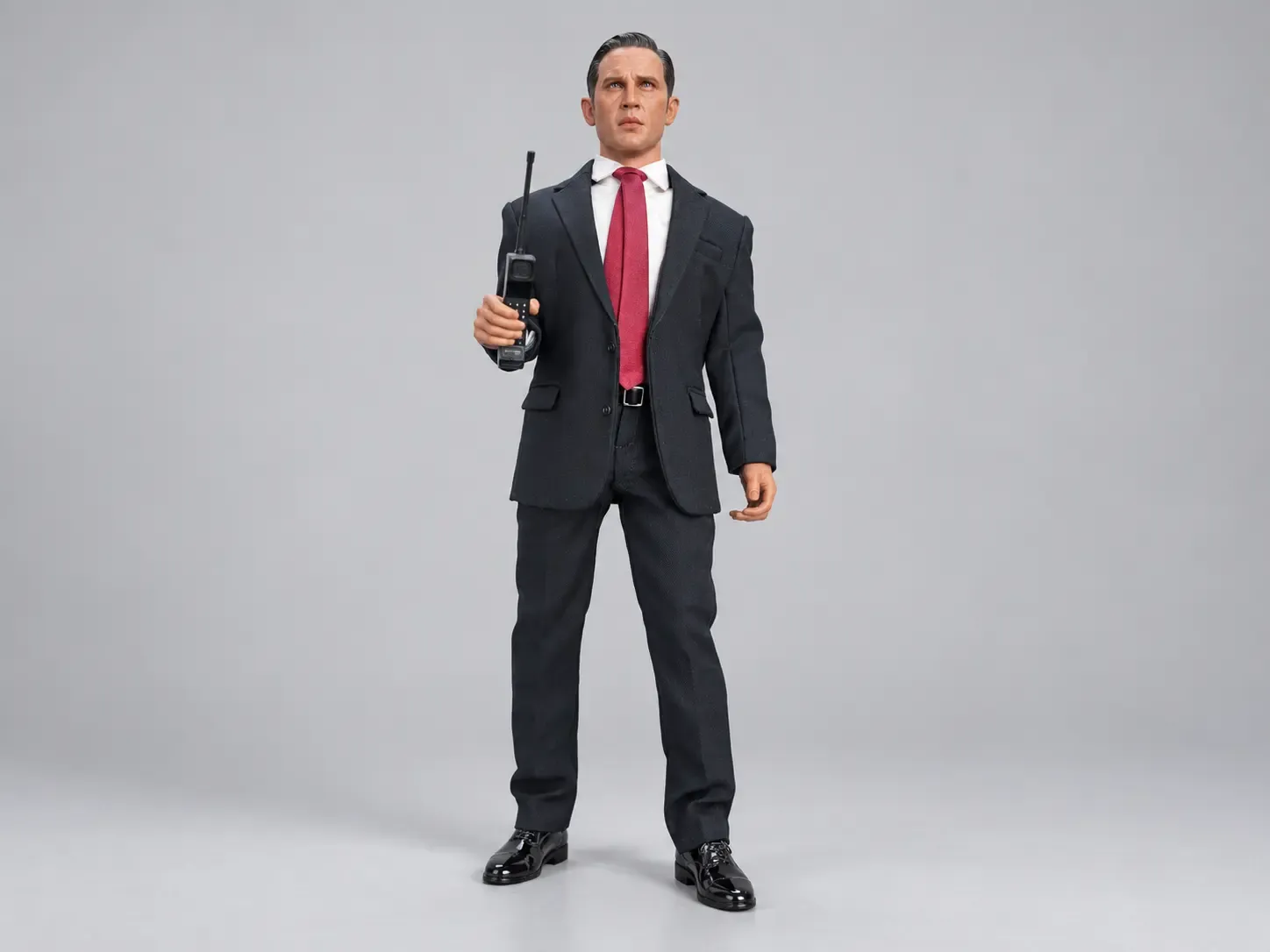
Check fabric clothing on a 1/6 collectible figure after dressing: the silhouette, seam condition, collar and cuff alignment, closures, intended poses and packing arrangement all need review. A garment that looks correct laid flat can sit differently over the finished body, and a carefully arranged display pose can hide tension or excess bulk.
The useful inspection combines an overall view with specific checks of the clothing in its intended use. Record what is acceptable before packing, rather than relying on a last-minute adjustment for photography.
Judge the dressed silhouette before individual stitches
Start with the complete figure in the agreed neutral pose. Review the shoulder line, jacket length, trouser break and visible shirt proportions from the front, side and back. Compare those features with the approved dressed sample.
At this scale, folded edges, seam allowances and overlapping layers occupy visible space. A convincing fabric color cannot compensate for a collar that stands too far from the neck or a jacket front that sits away from the torso.
Decide which details define the character of the outfit. A thinner construction may improve the drape but provide less support at an edge. Additional lining can create a cleaner interior while increasing bulk. Approve the dressed result rather than assuming a full-size garment pattern can simply be reduced.
Mancheng's collectible capabilities include 1/6 articulated figures and fabric work. The clothing review should use the actual body and intended layers.
Separate intentional folds from sewing defects
Look for loose thread ends, skipped stitches, open seams, fraying edges and uneven hems. Check that stitching follows the intended line without visibly pulling the surrounding cloth into small ripples.
A fold caused by the pose is different from puckering that remains along a seam when the garment is relaxed. Avoid pulling the clothing smooth with fingers during inspection; this can temporarily conceal the condition.
If a seam repeatedly puckers, review the sewing setup and construction on a separate sample. Thread tension, fabric feeding and the combination of fabric, needle and thread can all contribute. Pressing alone should not be treated as proof that the cause has been corrected.
Check collars, cuffs and closures after dressing
Small offsets become conspicuous around the face and hands. Check whether the collar lies as intended, the tie remains centered and the cuffs emerge consistently from the sleeves. Review symmetry against the approved design; an intentionally asymmetric outfit needs its own reference.
Closures should hold the garment in the specified position without creating an obvious ridge or pulling the front out of shape. Where opening and removal are intended, confirm that the closure can be reached without forcing delicate fingers or accessories through a narrow opening.
Distinguish collector-removable clothing from clothing intended to remain dressed. That decision changes the dressing sequence and the handling instructions. Do not imply removability merely because a closure exists.
Review the agreed poses without forcing the fabric
Move the figure through the poses agreed for the product. Observe shoulders, elbows, hips and knees for concentrated pulling, seam opening or clothing that prevents the intended movement.
A close silhouette and a broad posing range can conflict. Resolve that trade-off during sample review. Specify the poses that the dressed figure must achieve, and avoid promising unrestricted articulation.
Check the outfit again after returning to the neutral pose. A jacket may ride upward, a sleeve may twist or a trouser leg may remain caught above the footwear. The inspection should reveal whether normal repositioning is enough to restore the approved appearance.
Preserve the approved arrangement through packing
Review the dressed figure in the proposed internal pack. Supports and restraints should secure the product without flattening a collar, trapping a jacket edge or pressing a hard accessory into the cloth.
Keep the intended garment arrangement visible in packing references. Record which edges are laid flat, which accessories are separate and where a protective separator is needed. Check the condition after a representative packing and unpacking trial; an attractive pre-pack photograph does not show what the collector will see on opening.
Include these decisions in the development and production process. If a garment construction or body changes, revisit the dressing and packing references together.
Frequently asked questions
Is a flat garment sample enough for approval?
No. Review the clothing on the intended body with the specified layers, closures and poses. Flat inspection can still help identify sewing defects.
Should every crease be treated as a defect?
No. Distinguish intentional folds and pose-related creases from persistent seam puckering or unwanted packing marks using the approved dressed reference.
What should a brand provide for a clothing review?
Provide outfit references, the intended body, layer order, required poses and whether clothing must be removable. Discuss these requirements with Mancheng before finalizing the sample.