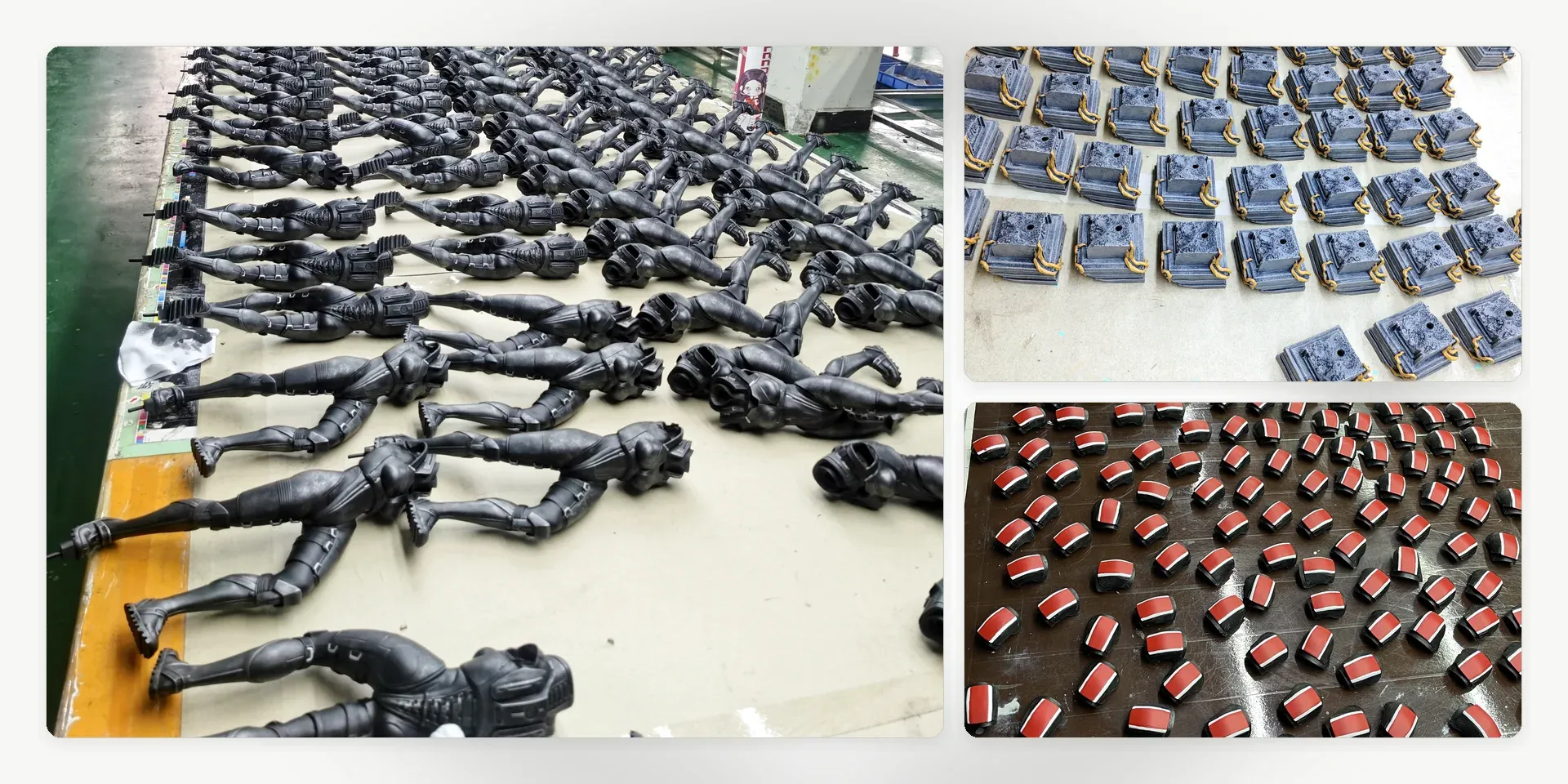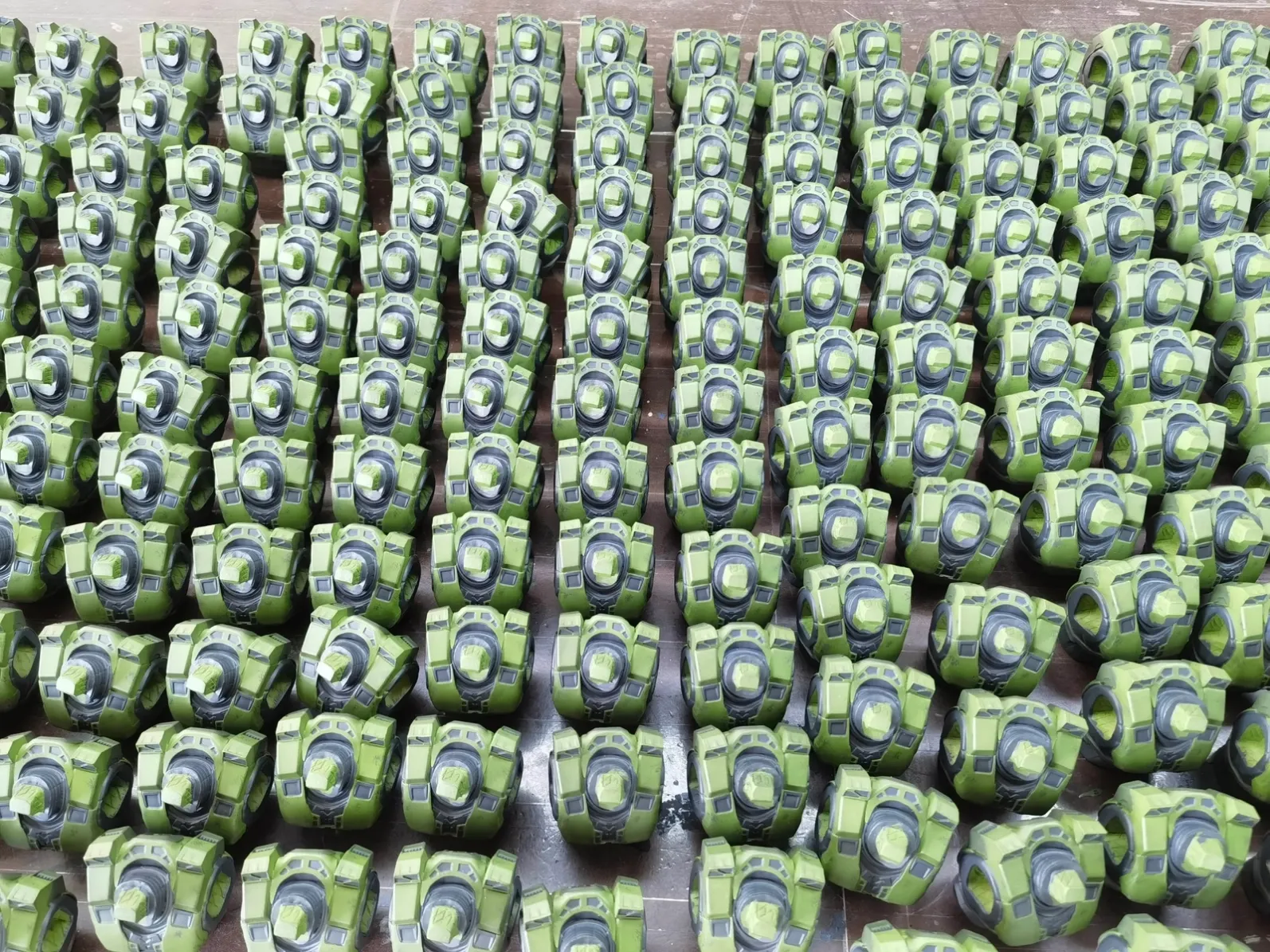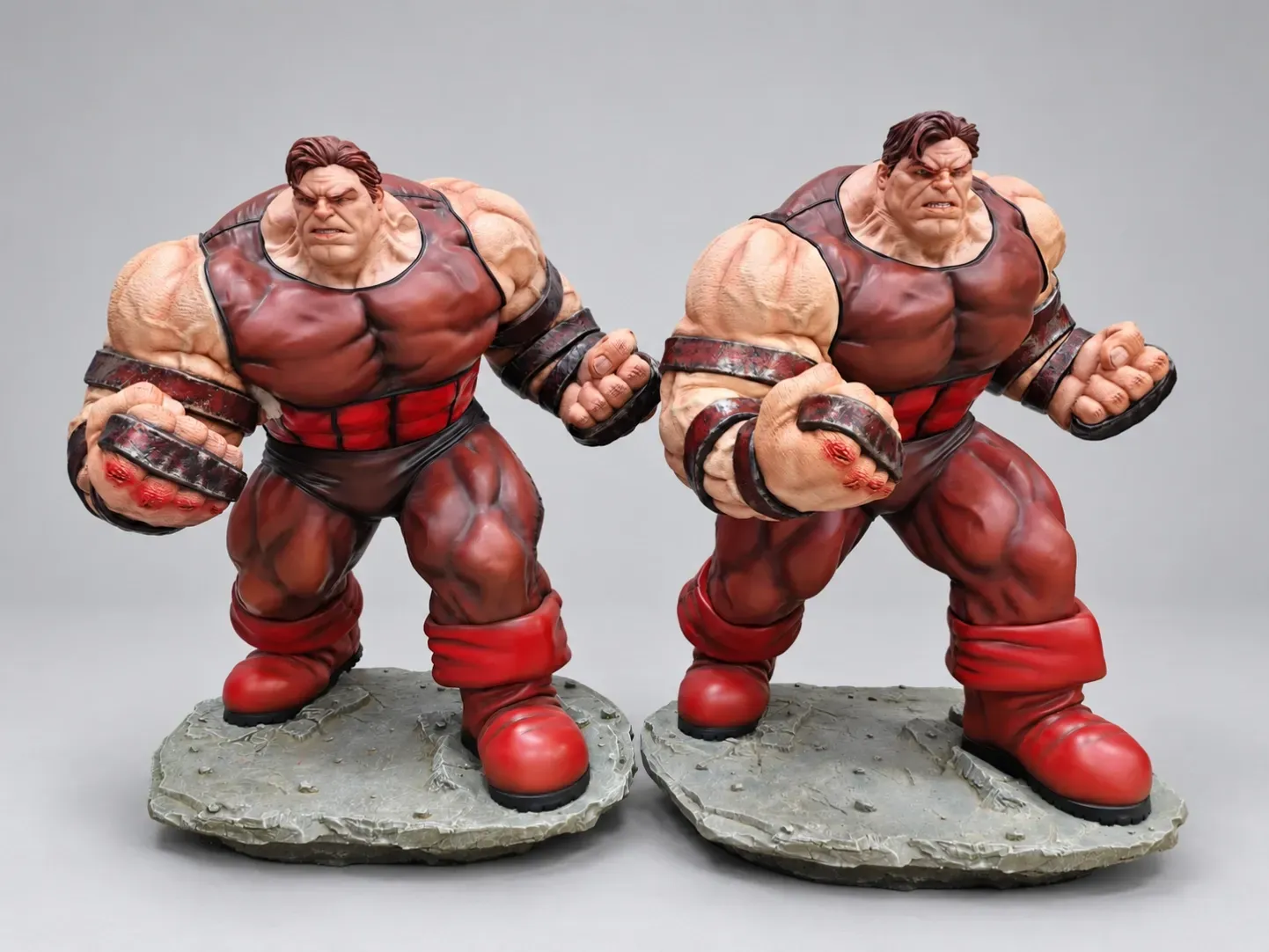
What Should a Collectible Prototype Prove Before Production?
A collectible prototype should answer defined questions about form, fit, assembly, finish or function. Learn how to separate those approvals before tooling and production.
A collectible prototype should prove the decisions it was built to represent—and no more. A sculpt model can confirm form and character. A fitted assembly can expose interface problems. A paint sample can establish finish direction. A production-intent sample can show how those decisions work together. Treating any one of them as proof of everything creates approvals that look complete but leave important production questions open.
The practical starting point is to write the purpose of the sample before it is made. What must the team decide after reviewing it? Which materials and processes are representative? Which features are temporary? Which questions remain for a later stage? That short definition keeps a beautiful prototype from carrying claims it cannot support.
One prototype rarely represents every production decision
Collectible development combines sculpture, engineering, materials, decoration, assembly and packaging. These areas mature at different times. A high-detail 3D print may show the sculpt accurately while using temporary pins, non-production magnets or a material that behaves differently from the final resin, PVC or ABS. A rough fitted assembly may reveal gaps and balance but say little about the final paint finish.
The problem is not that either sample is inadequate. The problem begins when the approval record does not state what the sample was intended to prove.
Before review, label the sample by purpose rather than calling everything a “prototype.” A useful development sequence may include:
- a form or sculpt review for silhouette, anatomy, likeness, scale and visual hierarchy;
- an engineering model for part division, interfaces, access, support, balance and assembly sequence;
- a finish sample for color, gloss, texture, graphics and hand-painted detail;
- a production-intent sample that combines representative materials, parts and processes closely enough to support final decisions.
The exact sequence changes with the product. A static resin statue, an articulated PVC/ABS figure, a mixed-material 1/6 figure and an illuminated prop do not need identical evidence. What matters is that the sample type matches the question being approved.
Define the approval question before building the sample
“Please review the prototype” is too broad. A better review request names the decision and the limits of the evidence.
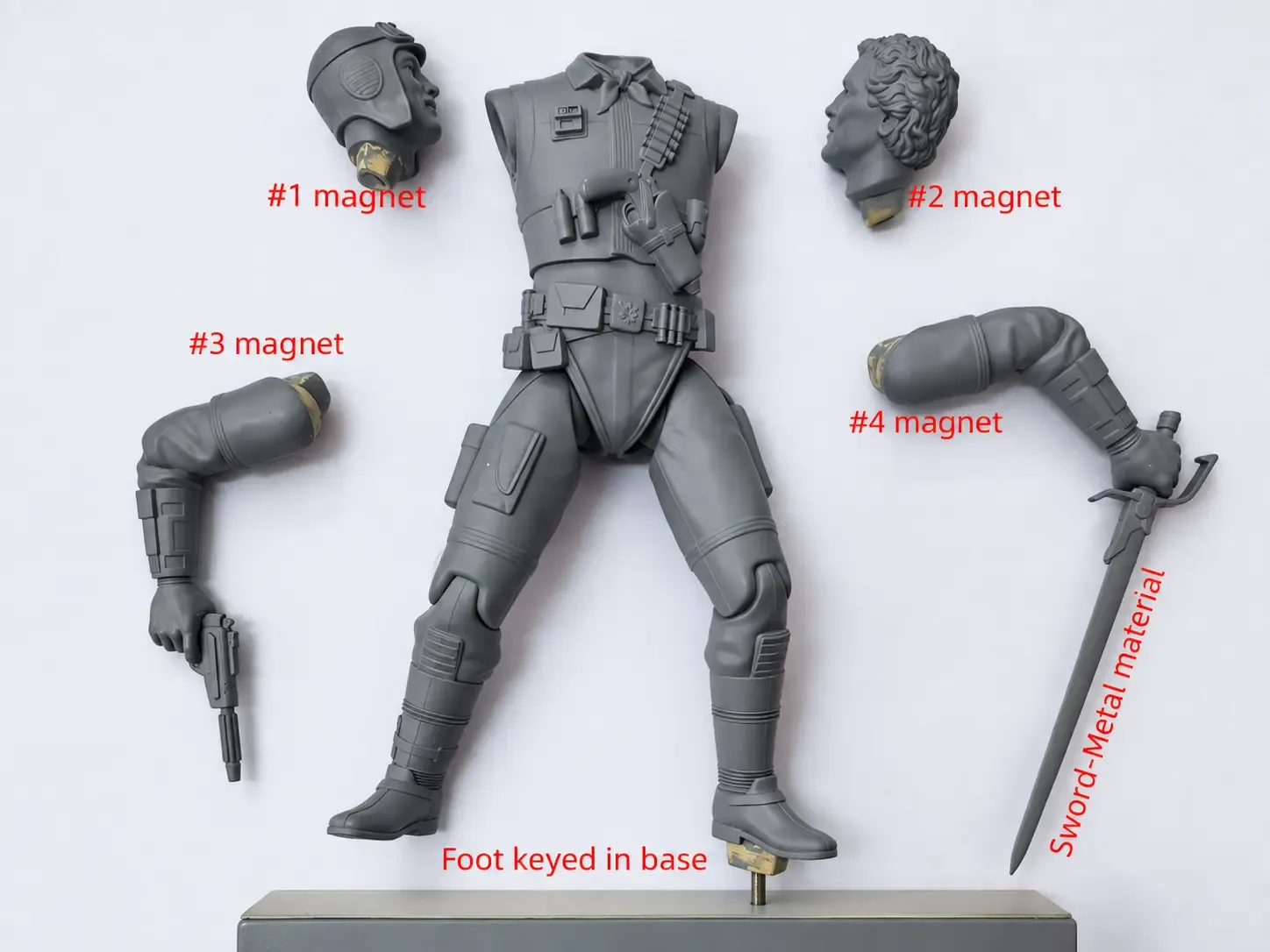
For example, a separated gray model can be useful for reviewing sculpted detail, part boundaries, magnet locations and the intended assembly path. It does not automatically prove that final production parts will hold the same tolerances, that paint will survive contact, or that a production material will carry the same load. Those questions require evidence from a representative configuration.
For each review, record four items:
- What is representative? Identify the approved geometry, material, component, finish or function.
- What is temporary? Note substitute materials, hand-fitted parts, temporary supports, sample-only hardware or manual corrections.
- What must be decided now? Keep the approval focused on the decision needed to move forward.
- What remains open? Assign unresolved points to a later sample or test rather than allowing them to disappear from the record.
This makes approval useful to both the customer and the production team. It also reduces the chance that a later change is mistaken for a factory deviation when the earlier sample never represented that feature.
Match the prototype to the risk of the product
The most valuable prototype is not necessarily the most polished one. It is the one that exposes the next important risk before that risk becomes expensive to change.
Form and sculpt risk
Review the silhouette from intended viewing angles, proportions, expression, costume layers and the relationship between the figure and base. A digital render can support this review, but a physical model can reveal scale, depth and visual weight differently.
Fit and assembly risk
Check the actual part interfaces, insertion direction, access for tools or hands, hidden collisions, gap visibility and the order in which parts must be assembled. If magnets, keyed joints, fasteners or flexible components are involved, the review should use a configuration that represents those interfaces closely enough to make a meaningful decision.
Material and structural risk
A rigid printed model may confirm geometry without representing the flexibility, weight or long-term behavior of a production material. When material behavior matters to support, movement or fit, the approval record should say that a later representative sample is still required.
Finish and contact risk
Paint, coatings and printed graphics should be reviewed on the relevant substrate and surface preparation when possible. Areas that touch during assembly or use deserve separate attention. A visually approved finish does not by itself establish that two coated parts can be assembled repeatedly without marking.
Functional risk
LEDs, sound, mechanical movement and removable parts need review in their intended assembled condition. A component lighting on a workbench proves less than the same component installed behind the final translucent part, with the actual access and assembly constraints.
Approve decisions, not just photographs
Photographs are useful for distributing review information, but they can hide scale, fit, surface response and handling behavior. A complete approval package should connect images or video to a revision, part configuration and written decision. If the physical sample has been hand-adjusted, that should also be recorded.
The aim is not to create paperwork for its own sake. It is to give the customer, development team and production team the same understanding of what has been approved. Mancheng’s development process moves from design and prototyping through sample review, production preparation and quality control. Clear sample scope is what connects those stages.
When a design changes after approval, the same logic still applies: identify which earlier decisions the change affects and which evidence must be repeated. Our guide to managing collectible design changes after sample approval explains that handoff in more detail.
A production-ready prototype is a defined evidence package
There is no single object that automatically makes a collectible production-ready. Readiness comes from a set of resolved decisions: the sculpt is approved, the interfaces are defined, materials and finishes are representative where they need to be, functions are reviewed in context, and open points are visible rather than assumed.
Before tooling or production, ask a simple question: What decision does this sample allow us to make with confidence? If the answer is unclear, the sample scope needs work. If the answer is precise, the prototype is doing its job.
Frequently Asked Questions
Can a 3D-printed prototype approve a collectible for production?
It can approve the features it represents accurately, such as form, scale or some assembly interfaces. It should not be treated as proof of production material behavior, molded tolerances or final finish durability unless those points are represented and reviewed separately.
Should a painted prototype be used for fit approval?
Only when its parts, interfaces and coating build are representative enough for that decision. A display paint master may be visually accurate while containing hand-fitted or sample-only adjustments.
What should be included in a prototype approval record?
Record the sample revision, representative features, temporary features, approved decisions, unresolved points and the next required evidence. Include clear images or video where they help identify the reviewed condition.