What to Do When a Collectible Manufacturer’s MOQ Exceeds Your Launch Quantity
When a collectible manufacturer’s MOQ exceeds launch demand, identify the constraint behind it before changing quantity, specification, packaging or production strategy.
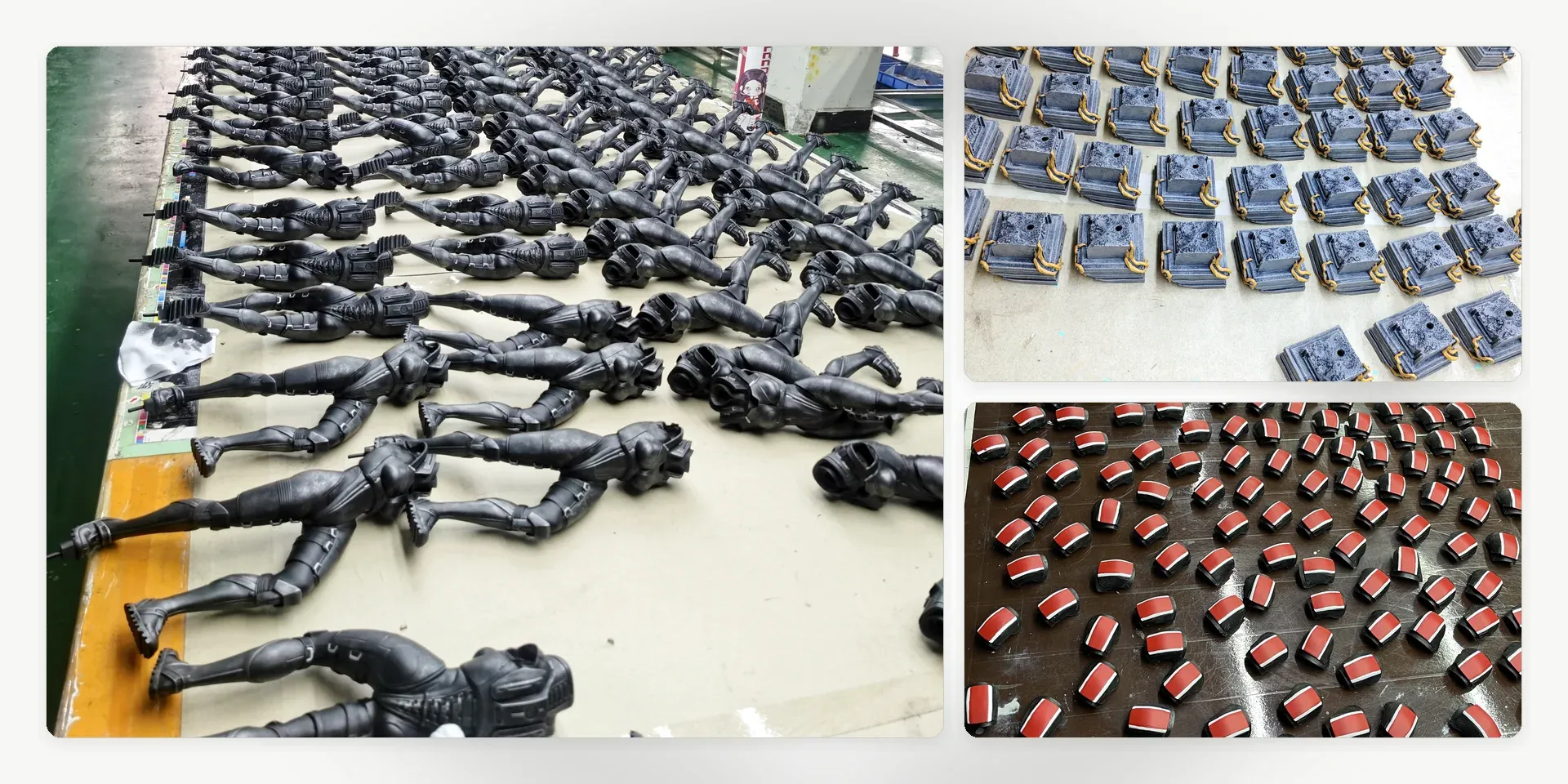
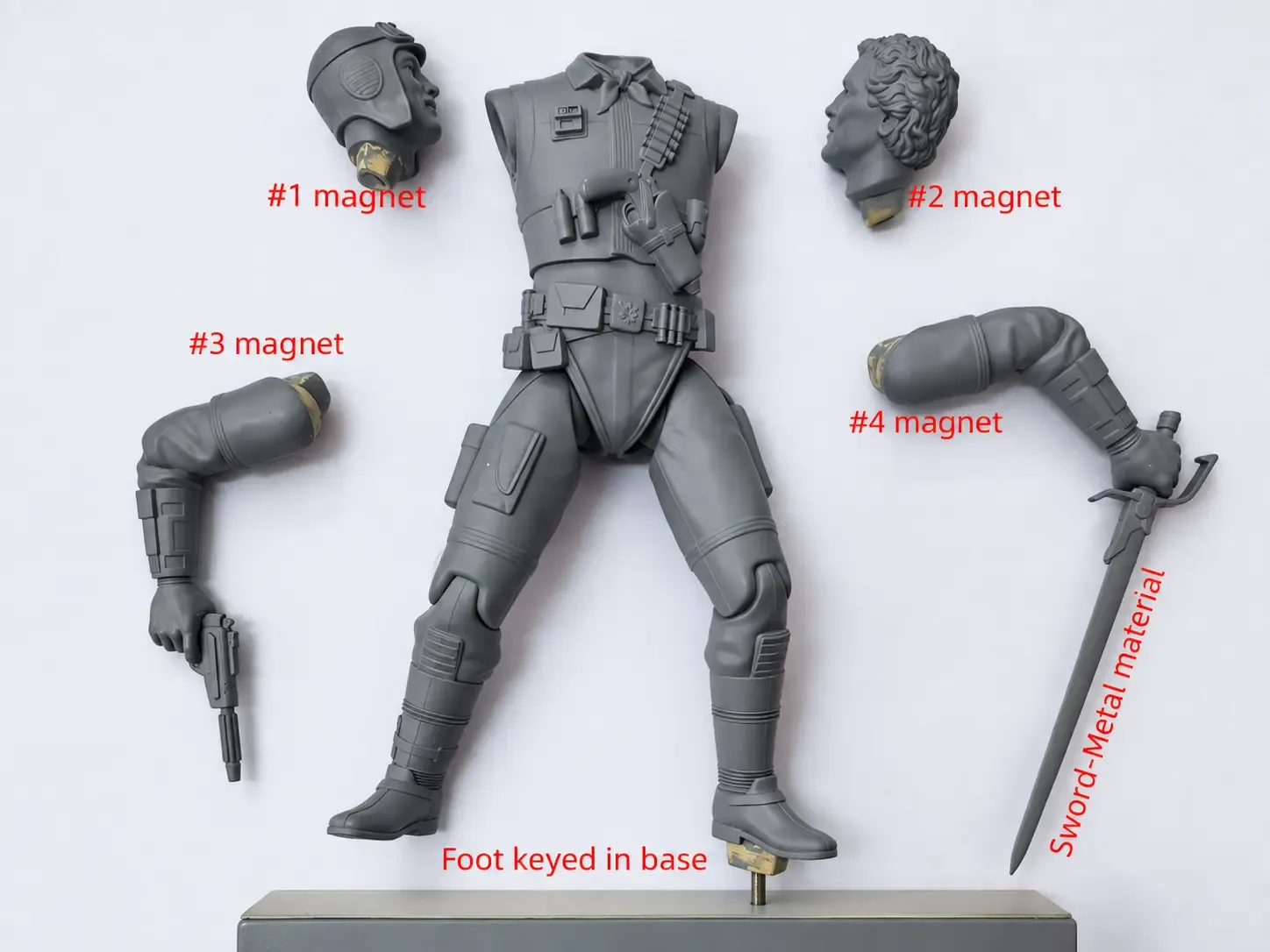
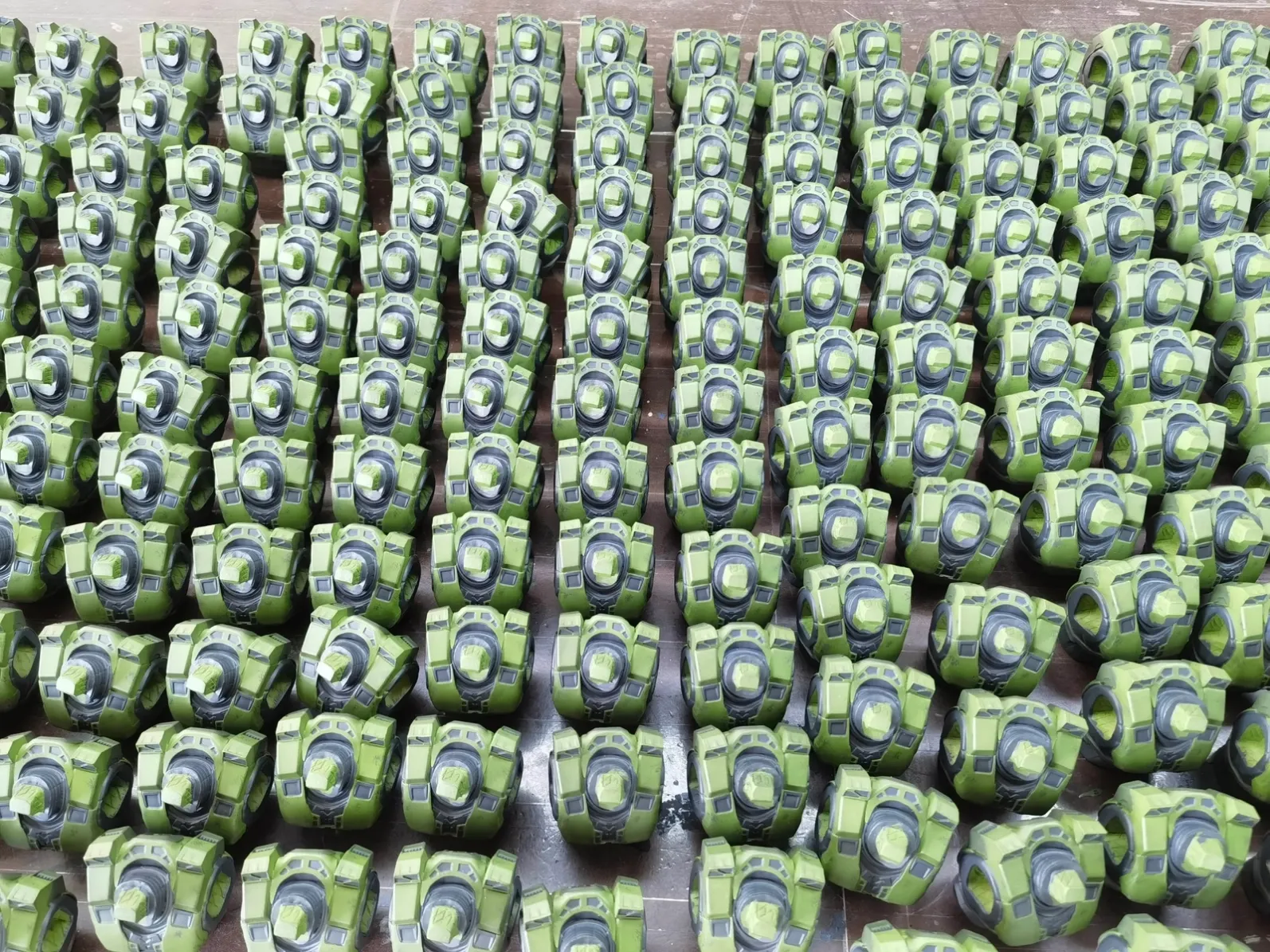
When a collectible manufacturer’s minimum order quantity exceeds your launch plan, first identify what creates the minimum. Do not negotiate only around a number. The constraint may come from material purchasing, molding and setup, decoration, outsourced components, packaging or the way the production run must be scheduled. Once that constraint is clear, the product team can compare real options instead of pushing for a lower quantity that may no longer support the same specification or cost.
An MOQ is therefore a production question as much as a commercial one. Two products with similar dimensions can have very different workable quantities because their materials, part count, paint operations, accessories and packaging are different.
Ask what the MOQ is protecting
Start by asking the manufacturer to separate the main quantity drivers. The answer does not need to disclose private cost formulas, but it should be specific enough to support a decision.
Common drivers include:
- a supplier’s purchase quantity for a custom material, fabric, electronic component or printed item;
- tooling, mold setup, color mixing or line preparation that must be allocated across the run;
- decoration or assembly operations that are inefficient to start and stop at very small quantities;
- packaging components printed or formed in fixed batches;
- a subcontracted process with its own production minimum;
- the amount of capacity reserved for a complete, controlled run.
These drivers are not interchangeable. If the minimum comes from printed packaging, changing the figure quantity alone may not solve it. If a special component is the constraint, simplifying that component may change the equation. If the issue is fixed setup cost, a smaller run may be technically possible at a higher unit cost.
Public on-demand manufacturers demonstrate that some processes can operate without formal MOQs, while also showing that setup fees and unit economics still vary by process and run size. That is why “no MOQ” and “same price at any quantity” are not the same promise. A collectible project should be evaluated against its actual process mix.
Compare four practical responses
1. Keep the specification and accept the full commitment
This is the cleanest technical path when the product specification is important and demand supports it. The team should still distinguish between the total production commitment and the delivery schedule. Staged delivery may help storage or launch timing, but it does not automatically reduce the factory’s material purchase or total production commitment.
2. Make a smaller run at a different cost structure
If the manufacturing route allows it, fixed preparation costs can sometimes be separated from the unit price or allocated across a smaller run. The result may be a higher cost per unit. The decision then becomes whether lower inventory exposure is worth that increase.
Ask for the assumptions in both quotations. A smaller quantity is not comparable if it quietly changes material, paint coverage, assembly, inspection or packaging.
3. Adjust the specification that creates the minimum
The right change is the one connected to the actual constraint. Possible examples include using a standard material instead of a custom one, simplifying a unique accessory, revising a printed packaging component, or choosing a different finish process.
This should be an intentional product decision. Removing a feature simply to reach a number can weaken the character or positioning of the collectible. Review the visual and functional consequence before approving the saving.
4. Combine volume only where the parts are genuinely shared
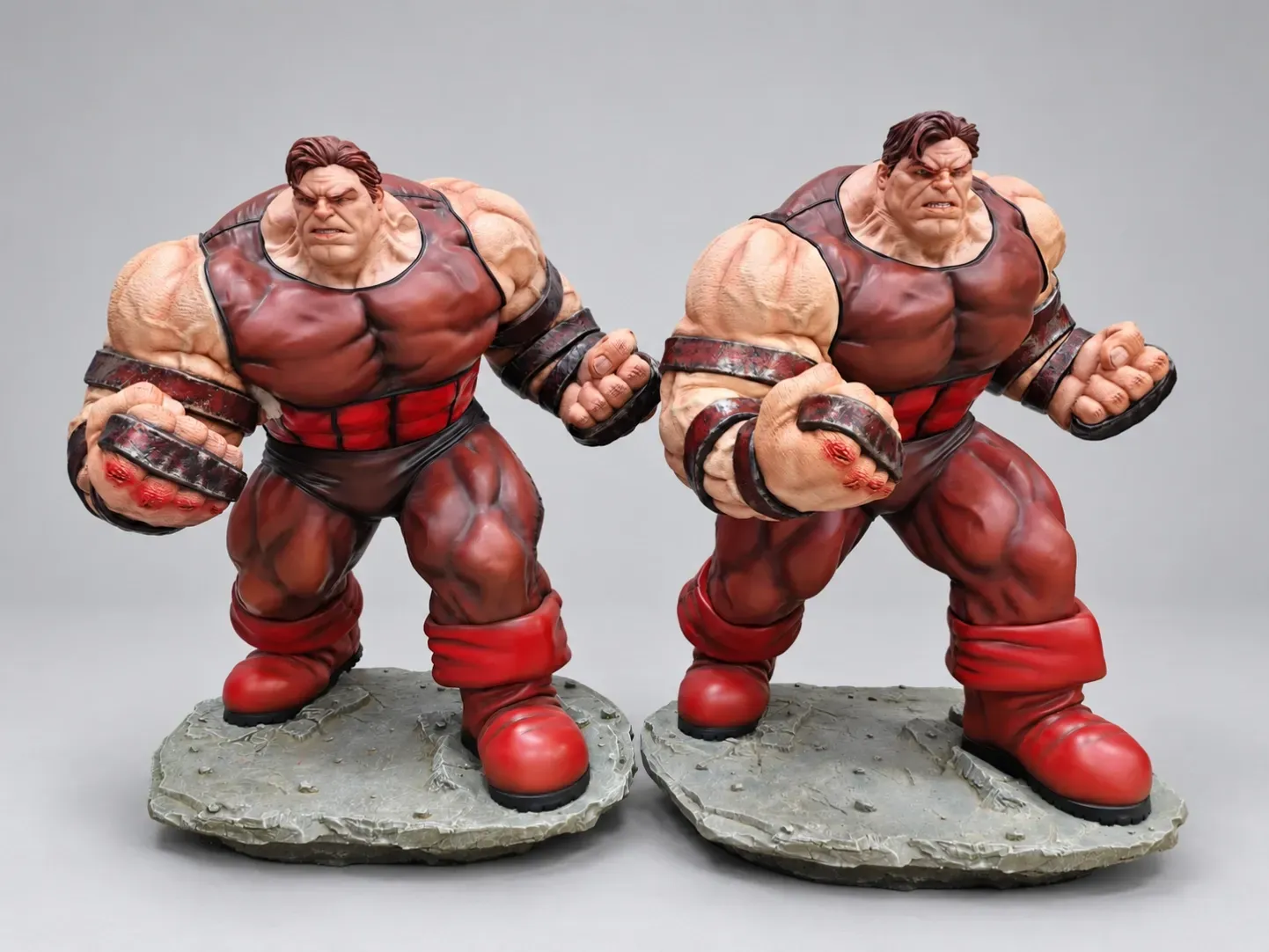
Variants can sometimes share tooling, internal components, packaging structures or unpainted parts. But different colors are not automatically one production batch. Separate paint masks, color preparation, printed graphics, accessories or approvals may keep the variants operationally distinct.
Ask which steps are truly common and which must still be run separately. Consolidation helps only when it reduces the constraint that created the MOQ.
Compare total commitment, not only unit price
A lower unit price can be attractive while creating more inventory, storage, cash exposure and end-of-line support obligations. A higher unit price for a smaller batch may protect the launch but leave too little room for replacements or follow-on demand. The best option depends on the brand’s sales plan and the product’s production logic.
A useful comparison includes:
- total purchase commitment;
- one-time tooling and setup costs;
- unit cost at each viable quantity;
- specification differences between options;
- packaging and freight implications;
- delivery schedule and storage responsibility;
- whether later repeat production can use the same tools, materials and approvals;
- the commercial risk of excess stock versus a stockout.
This information belongs in the RFQ stage. A clear collectible manufacturing RFQ gives the manufacturer enough detail to explain the quantity logic instead of returning a generic price.
Do not solve an MOQ problem by hiding uncertainty
If launch demand is uncertain, say so. A manufacturer can assess alternatives more accurately when the buyer distinguishes a forecast, a target quantity and a committed order. Likewise, the manufacturer should state which conditions may change when volume changes.
The objective is not to force every project into the smallest possible run. It is to choose a production route that the brand can support and the manufacturing team can repeat. Mancheng’s development and manufacturing process connects specification review, prototyping, production preparation, QC and packaging so quantity decisions are evaluated with the product rather than in isolation.
When requesting an evaluation, provide the product type, dimensions, materials if known, part count, finish expectations, functions, packaging direction and realistic quantity range. You can use the contact page to share those project details.
Frequently Asked Questions
Can a manufacturer always reduce its MOQ if the unit price increases?
No. A higher unit price may cover setup economics, but it may not remove supplier pack sizes, material minimums, process constraints or packaging requirements. The underlying driver must be identified first.
Does staged delivery reduce the MOQ?
Not necessarily. It may change shipping and storage timing while leaving the total material or production commitment unchanged. Confirm what will be produced, paid for and stored at each stage.
Can multiple color variants be combined to meet one MOQ?
Sometimes, but only where relevant materials, parts and operations are shared. Separate colors, masks, printed graphics, accessories or approvals can create distinct production runs even when the basic sculpt is the same.