Oct 25, 2026
How to Prepare a Collectible Manufacturing RFQ That Can Be Quoted Accurately
Prepare a collectible manufacturing RFQ with a defined product scope, materials, finishes, functions, packaging, approvals and clearly separated assumptions.

A collectible manufacturing RFQ can be quoted accurately when it defines the product, production scope, approval route and commercial assumptions clearly enough that the manufacturer is not forced to guess. Separate confirmed requirements from decisions that still need engineering input, so the quotation shows real options instead of hiding uncertainty inside one total.
Start with one clear product definition
Identify the collectible format, assembled dimensions, expected materials and number of versions. State whether the request covers development, tooling, production, packaging and shipment preparation.
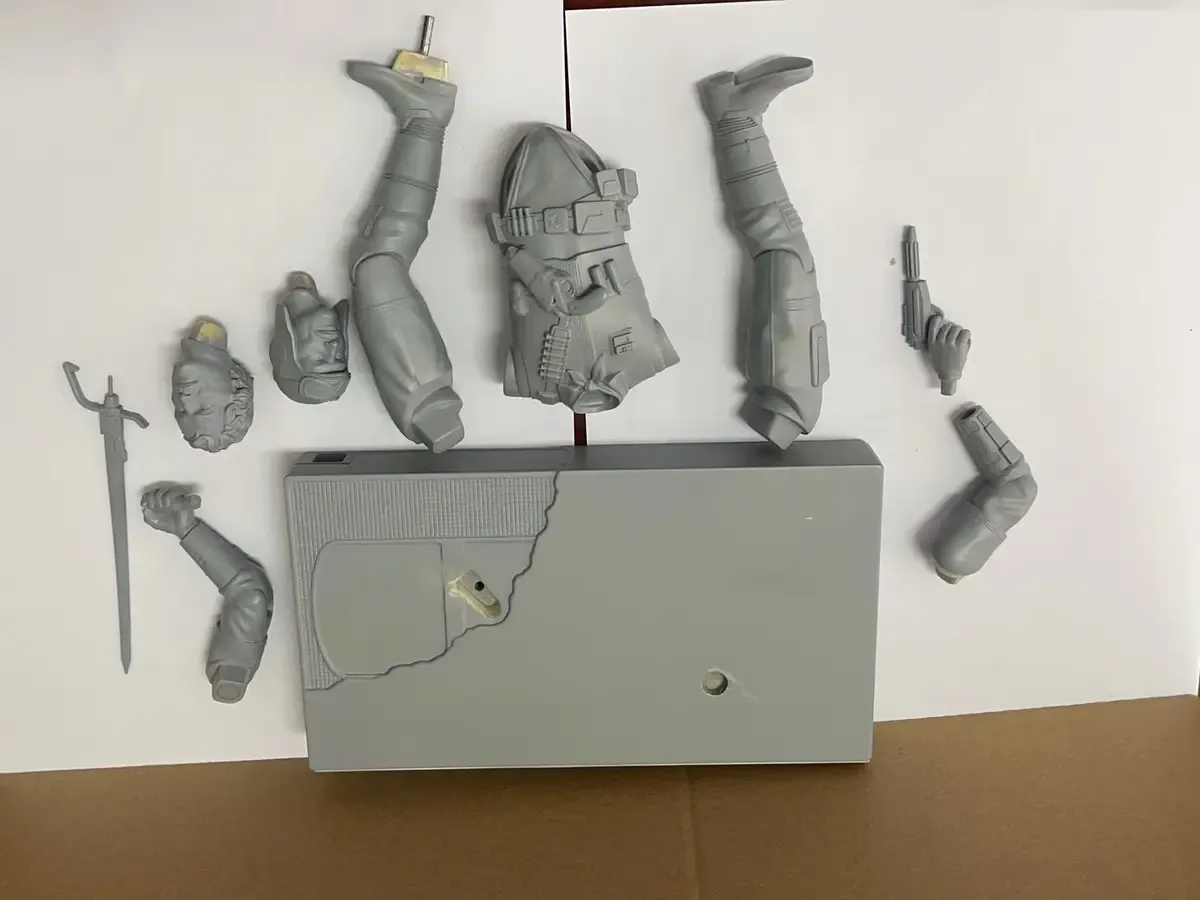
If the project includes alternative heads, fabric clothing or an electronic base, name those elements explicitly. A rendering may show appearance without revealing removable parts, internal supports, electronics or separate packaging trays. A scale label alone does not define the footprint or projecting accessories.
Separate requirements from open decisions
Mark each requirement as confirmed, preferred or open for recommendation. This prevents a preliminary assumption from becoming a fixed specification.
If resin is preferred but PVC/ABS should also be considered, request separate defined options. Each option should state the assumed construction, tooling approach, finish implications and exclusions. Otherwise, suppliers can appear to quote the same product while pricing different manufacturing solutions.
Define the deliverables behind the price
Clarify what the buyer will provide and what the manufacturer must develop. A visual sculpt may still need part breaks, keys, wall thickness, internal support or assembly engineering. Packaging artwork does not define the structure of a protective tray.
Our process outlines development through prototyping, sampling, production and quality control. Use those stages to identify responsibilities. Ask for development, tooling, samples, unit production and packaging to be itemized so one-time charges remain visible.
Make versions and optional features visible
List the physical differences between versions: sculpted parts, accessories, graphics, fabric, paint masks, translucent pieces, electronics or packaging artwork. Do not describe them simply as color variants unless the components are shared.
A version may use the main tooling but require a new accessory mold, assembly instruction, paint master or packing insert. Ask the supplier to distinguish shared and unique work. Quote optional LED, sound or mechanical features separately so their effect on construction and testing can be reviewed.
State the quantity assumptions
Provide the quantity or quantity bands the buying team is actually evaluating. A quote based on one volume should not be treated as transferable to another without review.
If demand is uncertain, request a few defined scenarios and explain the likely order structure. This helps the supplier identify fixed costs, costs that change with volume and whether the proposed process remains practical. Many speculative quantities without a decision context rarely improve the comparison.
Describe finishes as production requirements
Words such as “premium” or “realistic” leave too much room for interpretation. Include representative views and references for skin tones, metallic sheen, weathering, translucent effects, printed graphics and masked color boundaries.
State whether paint-master development is included and who approves it. Repeated finish reviews or complex masking affect the work required. The examples in products can help describe the category, but project-specific finishes still need their own references and acceptance criteria.
Include packaging and shipment boundaries
State whether protective trays, printed boxes, instructions, labels, master cartons and shipment preparation are included. Provide the sales channel and known dimensional constraints.
Fragile projections, painted contact areas, removable accessories and clothing affect tray design and packing work. A price for the object alone cannot be compared directly with one including engineered packaging. If delivery terms, destination or shipping mode remain open, ask the supplier to state where its quotation responsibility ends.
Request assumptions and exclusions
Ask each quotation to identify material and process assumptions, included samples and approval rounds, buyer-supplied components, packaging scope and excluded services. Clarify whether outside testing, freight and duties are included, and request quote validity and conditions for revision.
Also state the intended launch date and approval responsibilities. An unreviewed target date should not silently become a production commitment. Missing references or delayed approvals can change the sequence even when the manufacturing work itself is understood.
Compare scope before comparing totals
Normalize version count, parts, materials, finishes, tooling, samples, packaging and quantity. Then review the manufacturing route and decisions still unresolved. A low total with undefined responsibilities provides little basis for a controlled comparison.
If your team has a sculpt, brief or preliminary parts list, contact us with the confirmed requirements and open decisions. We can review what is ready for quotation and which points need further definition.
FAQs
Do we need final production files before requesting a quote?
Not always. A preliminary quote can use a defined brief and reviewable 3D data, provided the supplier identifies engineering assumptions and what could change after file completion.
Should tooling and unit cost be requested separately?
Yes. Separating development, tooling, samples, production and packaging makes comparison easier and distinguishes fixed costs from costs affected by volume.
Can one RFQ cover several collectible versions?
Yes, if shared and unique elements are listed clearly. Ask the supplier to identify common tooling and processes alongside additional parts, finishes, packaging and approvals.