Oct 21, 2026
How to Manage Design Changes After a Collectible Sample Is Approved
Manage collectible design changes after sample approval with clear revision records, impact reviews, targeted reapproval and coordinated production release.
After a collectible sample is approved, handle a design change by identifying the exact approved version, recording the requested difference, reviewing its effects on related parts and production steps, and approving the revised evidence before affected work resumes. Update the working files, physical references and inspection instructions together. A message saying “please use the new version” is not enough to establish what should be made.
Approval gives a team a shared reference. A later improvement may be worthwhile, but it changes that reference. The practical task is to make the improvement without leaving sculpting, tooling, painting, assembly and packing teams working from different versions.
Describe the difference against a named reference
Start with the approved sample identifier and the relevant file revision. Record what is changing, where it changes and why. Mark the affected area on a drawing or photograph, and separate requested changes from comments that are still being discussed.
For example, “make the coat fuller” leaves several interpretations open. A clearer request identifies the panel or seam, the required silhouette and the views used to judge it. State whether the sleeve, closure and hem are also affected. Avoid attaching a new reference image without explaining which features it replaces.
Keep the earlier approval available for comparison. Renaming a file “final” again makes it harder to establish which version was approved when.
Review neighboring parts, not only the edited feature
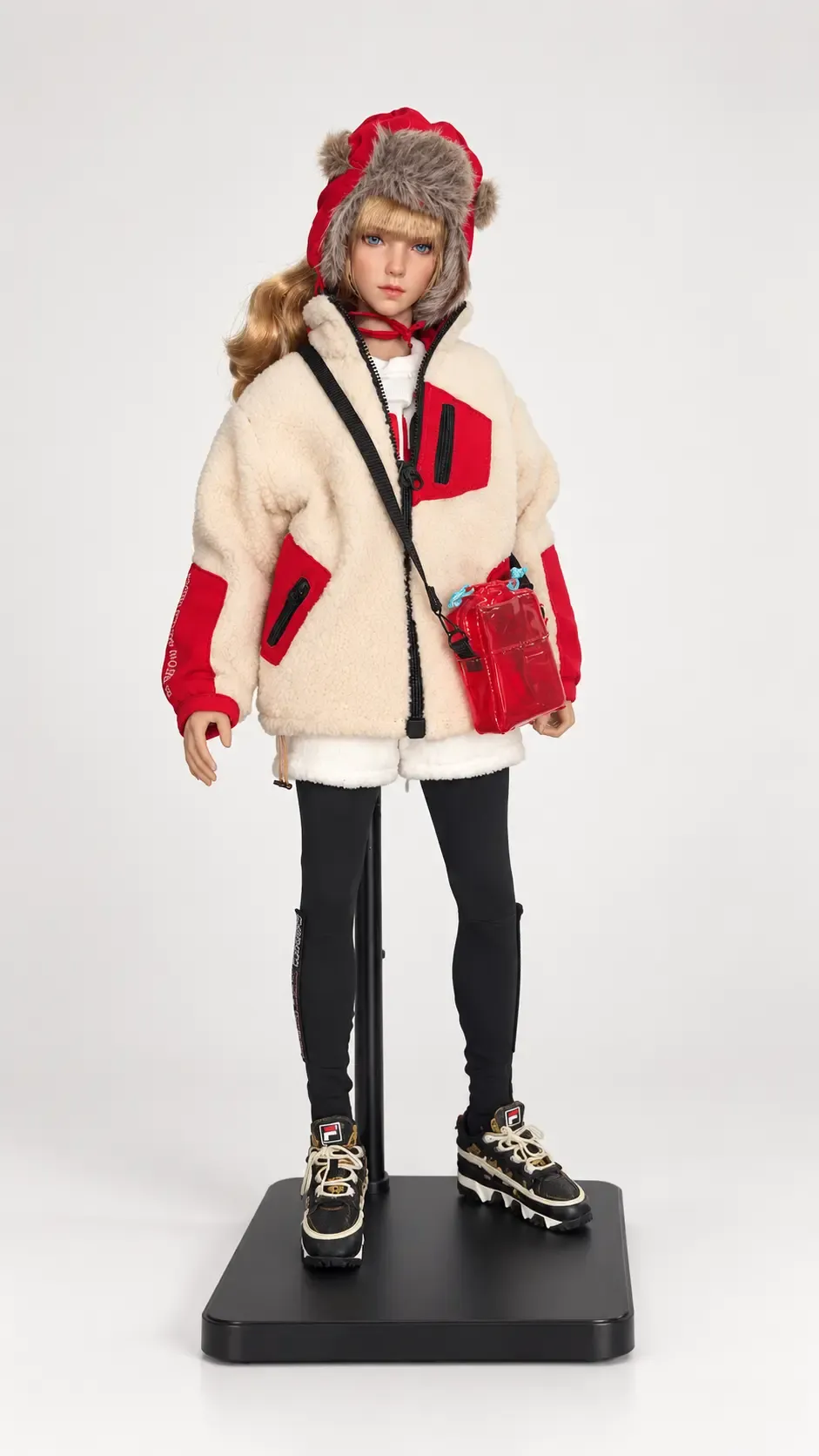
A small visible change can cross several manufacturing boundaries. A wider coat may alter arm clearance, the position of a shoulder bag and the space needed in a tray. A longer sculpted accessory may change its connection, handling instructions or protective support.
Review the proposed revision in the assembled product. Ask which mating surfaces, finishes, functions and packing contacts it touches. Check concealed interfaces as well as the front view: an attractive new silhouette can still interfere with a part behind it.
This is especially useful for projects combining sculpted parts, fabric work and functional features. Review the relevant collectible development capabilities together, rather than treating each material or operation as an isolated task.
Establish how far the original version has progressed
The response depends on the actual manufacturing stage. A change to an editable sculpt needs a different review from a change to parts already molded, painted or assembled. Ask what exists now, which operations are complete and what work is about to start.
Identify the affected tooling, components, finishing references, assembly instructions and packaging. Record how existing material will be handled: retained unchanged, held for review, corrected under an approved method or replaced. Do not assume that an updated drawing automatically resolves physical parts already made.
Limit any hold to clearly identified work where practical. Unaffected work may continue if the responsible teams confirm that the change cannot reach it. An unclear boundary can either allow the wrong version to proceed or stop more work than necessary.
Agree on the evidence needed for reapproval
Match the review to the change. A marked comparison view may communicate a proposed appearance adjustment, while an altered connection or moving clearance needs physical evidence in the relevant configuration. State what the evidence can establish and what remains open.
For a revised coat, review the dressed silhouette with the intended bag and arm positions. For a changed peg, review the mating parts in their intended finished state. For an extended accessory, revisit the protective arrangement rather than checking only that the accessory looks right.
The new evidence should identify its revision and show the affected area clearly. Agree who approves the artistic result, who checks the manufacturing implications and who authorizes release. A favorable comment on a photograph should not silently become approval of fit, function and packaging.
Confirm cost and schedule effects before committing
Ask for the consequences of the specific revision, including additional sample work, tooling changes, finishing changes and any repeat checks. Review which existing work can still be used. A visually minor alteration may require substantial repeated work; a noticeable change may be manageable if it does not disturb established interfaces.
Avoid promising a fixed delay before the impact review. The relevant questions are which steps must be repeated, what depends on their results and which approval is needed next. Align the revised plan with those dependencies.
Keep the decision explicit: proceed with the revision, retain the approved design or defer the change. Record any agreed commercial adjustment separately through the project's normal approval process. Engineering notes should not leave different teams guessing whether a proposal has become an instruction.
Release one coherent revision and verify its introduction
When the revision is approved, issue the affected files and references as a coordinated set. Identify what replaces the earlier version and when the replacement takes effect. Mark superseded references so they remain traceable but cannot be mistaken for current instructions.
Update the relevant parts list, finish map, assembly sequence, inspection points and packing arrangement. Not every change touches every document, but the impact review should explain which ones remain valid.
Check an appropriate first implementation against the revised approval before continuing the affected operation. Confirm both the intended improvement and the neighboring conditions identified during review. Carry unresolved points forward visibly instead of assuming that a new sample closes them.
A clear revision trail connects the design decision to the production process. When planning a change, share the approved reference and proposed difference together so the discussion begins with the same product version.
FAQs
Does every design change require a completely new sample?
No. The evidence should match the affected appearance, interfaces and functions. A targeted sample may be sufficient, but changes that interact with the assembled product need review in that configuration.
Can production continue while a change is being reviewed?
Only where the affected work is clearly separated and the responsible teams confirm that continuing will not commit the project to an unresolved version. Identify the hold boundary explicitly.
Is a revised 3D file enough to release a change?
Usually it is only part of the release. Check whether physical references, tooling, finishes, assembly instructions, inspection criteria or packaging also need updating, then confirm the authorized revision.