Oct 18, 2026
How to Plan Structural Support for a Collectible Statue
Plan collectible statue structural support around weight distribution, base contact, vulnerable sections, reinforcement, handling and packaging.
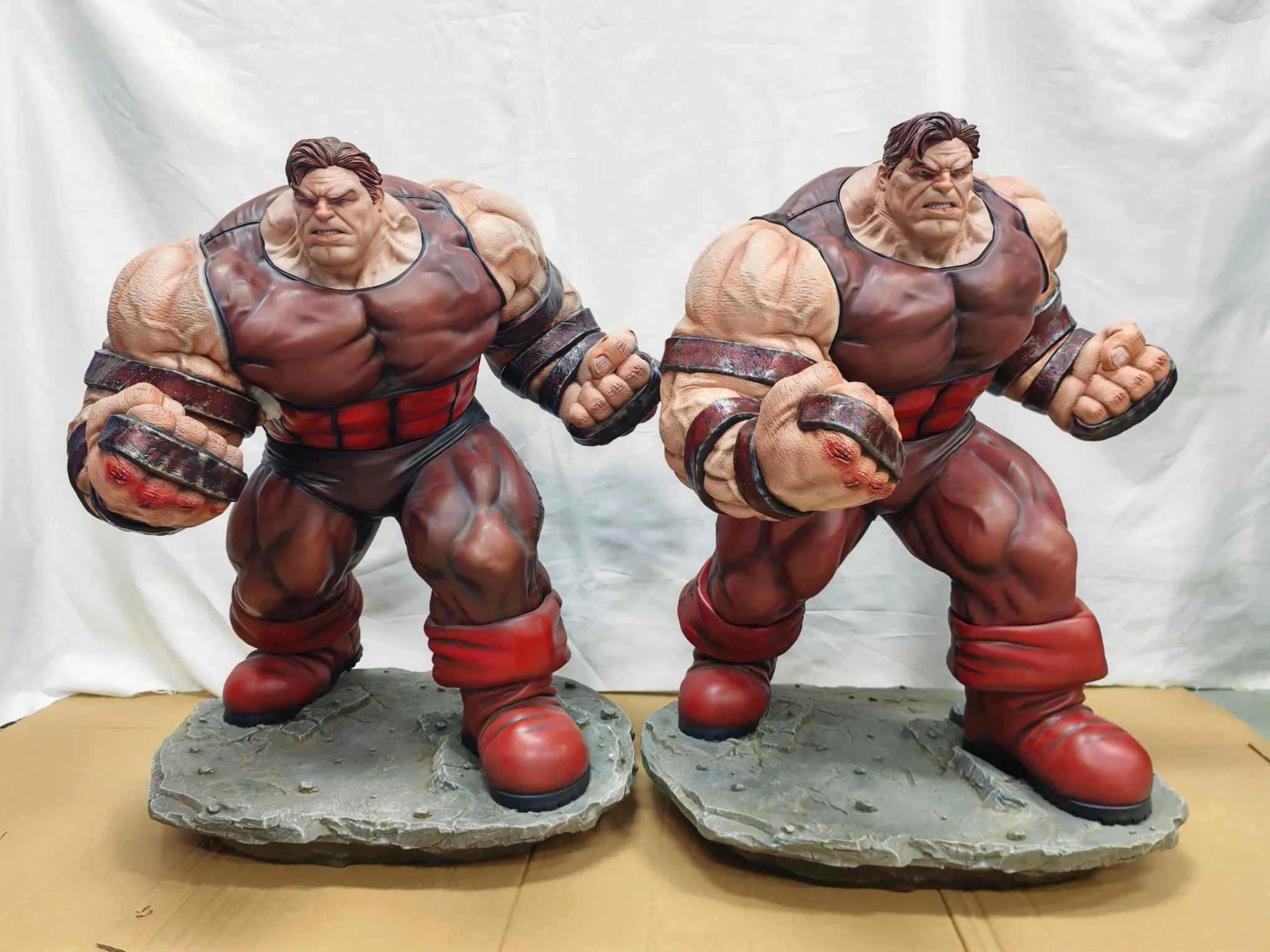
Plan structural support for a collectible statue by tracing how the weight of each major element reaches the display surface, identifying the narrow or projecting sections along that route, and deciding which connections must carry load. Review the pose, base, materials and handling method together before tooling. A figure that stands upright for a photograph has demonstrated only one condition.
The objective is to preserve the approved sculpt while giving engineering and production a clear support arrangement. Resolve the difficult decisions while geometry and assembly access can still change.
Trace the weight from the pose into the base
Start with the assembled design. Mark the heavier masses, their positions and the actual contact points between the figure and its base. A large torso leaning beyond a narrow ankle creates a different problem from the same mass positioned over broad supporting feet.
Follow the route through the leg, joint, locating feature and base. Identify any section that is expected to support another component rather than simply decorate it. A scenic rock, flowing cape or effect piece should not become a structural support by accident.
A basic weight-distribution review can expose an unfavorable arrangement early. It also helps the sculptor and engineer discuss a discreet change to the contact geometry without changing the character of the pose.
Separate stability from local strength
A statue can resist tipping yet still have a vulnerable ankle or attachment. Conversely, a strong figure-to-base connection does not guarantee that the complete product will remain stable on its footprint.
Review these questions separately: where the assembled weight acts relative to the support area, and whether each section along the support route can carry its intended load. Adding weight to the base may improve resistance to tipping, but it does not remove bending from a thin supporting leg.
Projecting parts need particular attention. For the same force, a longer perpendicular distance from a connection produces a larger turning effect. An extended arm holding a heavy accessory therefore deserves a different review from a similar accessory held close to the torso.
Distinguish structural contacts from decorative surfaces
Define which surfaces seat the figure and which features locate its orientation. A visible seam, a small contact patch or the end of a decorative key should not unintentionally become the only load-bearing area.
For a removable connection, agree how the component seats, what prevents unwanted rotation and what retains it. For a permanent connection, review the joining area and the access needed to assemble it. A magnet used for retention should not automatically be treated as a complete structural solution.
Document the intended contact in the model or an annotated drawing. Production teams need to know which areas must remain intact during preparation and which can be adjusted cosmetically. Mancheng's collectible manufacturing capabilities include resin statues and mixed-material collectibles; the support arrangement should be reviewed for the specific construction.
Choose reinforcement around the complete connection
Where additional support is needed, compare changes to geometry, contact area, component weight and reinforcement. A hidden support may preserve a slender silhouette, while a revised scenic contact may provide a simpler route into the base. Both choices can affect assembly and appearance.
If a pin or internal member is proposed, review how it is held at both ends and how force enters the surrounding material. Strengthening one element can leave the nearby casting or base connection as the next weak point. Do not select a universal pin diameter from a photograph or apply the same detail to every statue.
Keep installation access visible in the design. The team must be able to position the support, join the components and verify seating without damaging the finish. A support that cannot be assembled consistently is not a finished engineering decision.
Review handling before fixing permanent joints
Display loading is only part of the brief. During dressing of accessories, assembly, packing or unpacking, the product may be held differently from its final standing position.
Identify safe lifting areas and components that must not be used as handles. A projecting weapon, wrist or decorative effect can experience substantial leverage if someone uses it to reposition the whole piece. Instructions should follow the actual construction, not assume that every visible connection can carry the product.
Compare permanent and collector-installed components where relevant. Separating a heavy projection can reduce handling exposure, but it introduces another connection and a user assembly step. Preserve the intended experience while making the supported handling method clear.
Validate with representative materials and assembly
A light printed prototype is useful for checking pose, contact and assembly access. It does not establish the behavior of a heavier finished casting or a different material combination.
Use representative samples to review the proposed support arrangement, joint construction and base contact. Define the relevant orientation, handling conditions and observation period for the project. Record the sample revision and what was checked, including any movement, opening of a joint or change in alignment.
Avoid treating a successful momentary standing check as evidence for every use condition. Finished-product photographs show external geometry; they do not prove the design or performance of hidden reinforcement. The development and production process should make the structural approval evidence separate from cosmetic approval.
Carry the support plan into packaging
The packed product may rest on a different side and experience forces in directions that do not occur during display. Review how the internal pack supports the main masses and prevents them from loading fragile projections.
Agree where the pack may contact the product and where clearance is needed to protect the finish. Check both packing and removal: a secure restraint can still encourage the collector to pull on a weak accessory when opening the pack.
Bring the structural notes, assembly method and proposed packing arrangement into the same review. Teams can send Mancheng the sculpt and support requirements before tooling so that changes to the pose, base or connections are considered together.
Frequently asked questions
Does a heavier base solve every stability problem?
No. It may improve resistance to tipping, but local strength, contact geometry and the connections still require separate review.
Does every resin statue need metal reinforcement?
No. The need depends on geometry, weight distribution, materials and handling. Review the specific support route before choosing reinforcement.
Can a printed prototype approve the final structure?
It can confirm geometry and access, but structural approval should use samples representative of the intended materials, connections and assembly.