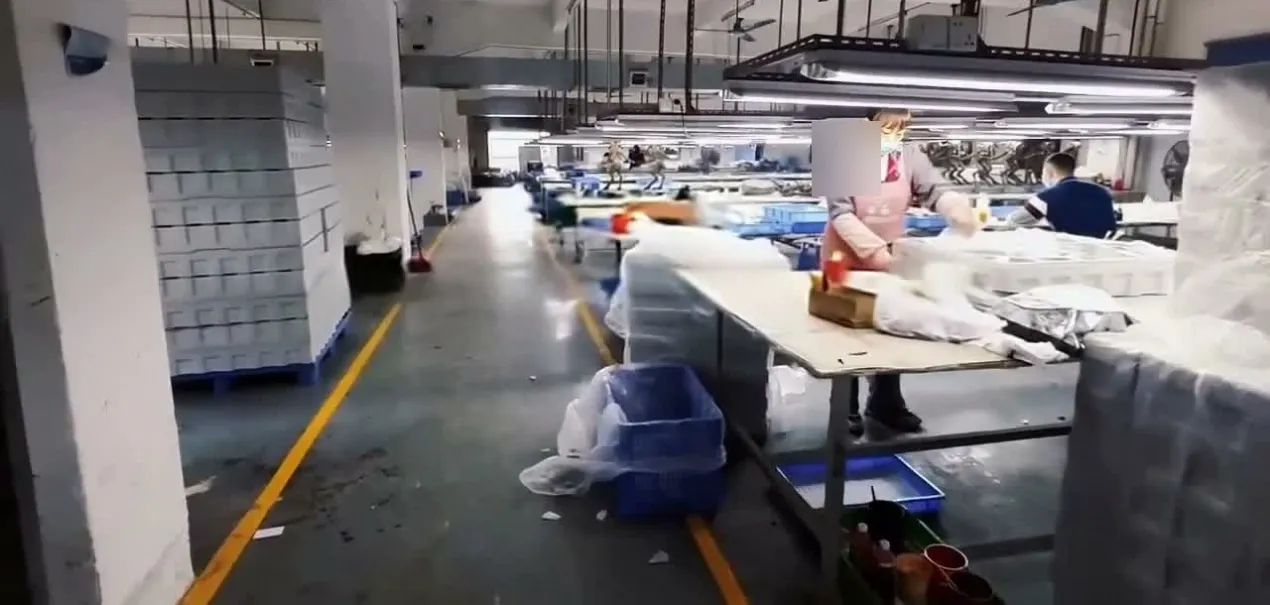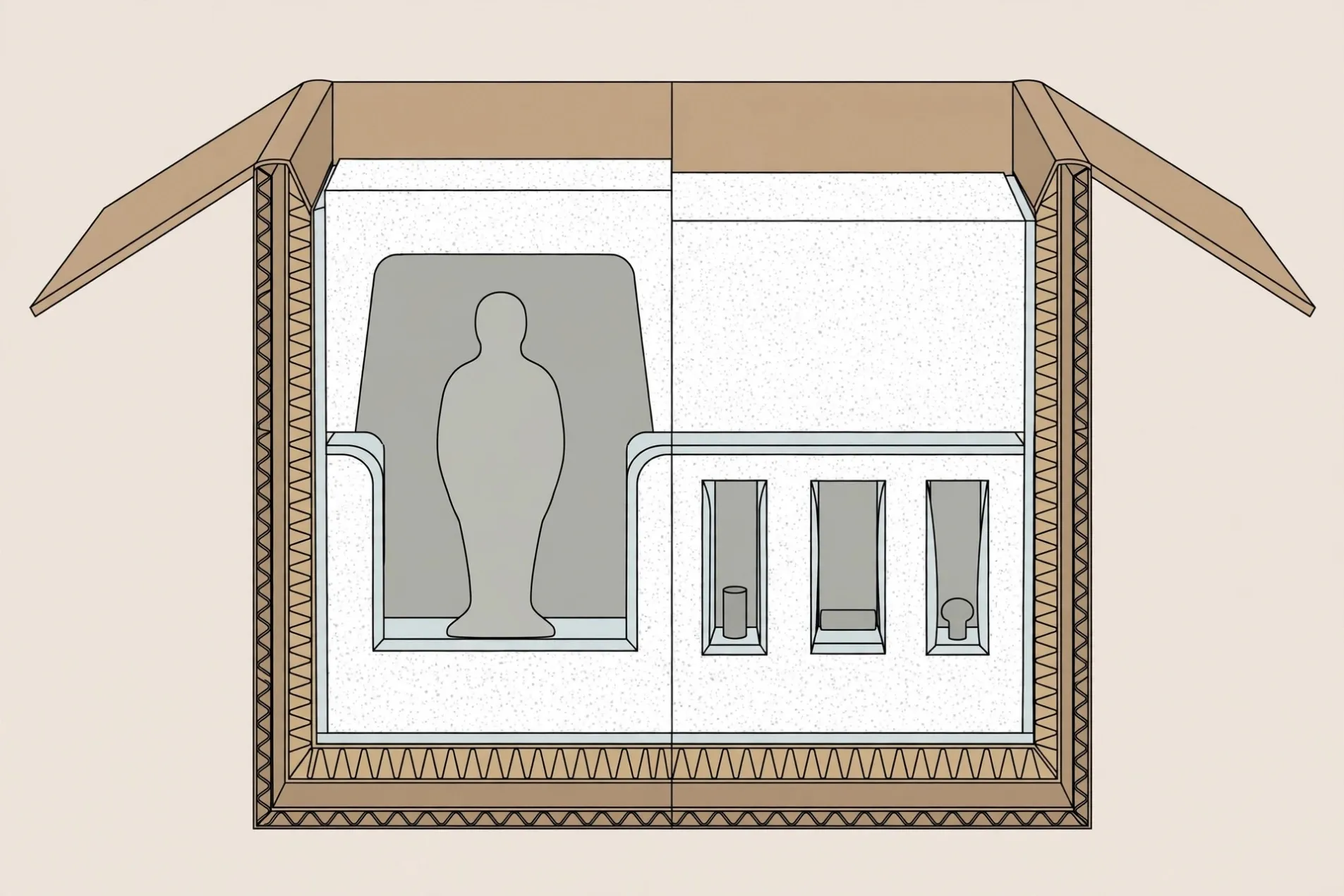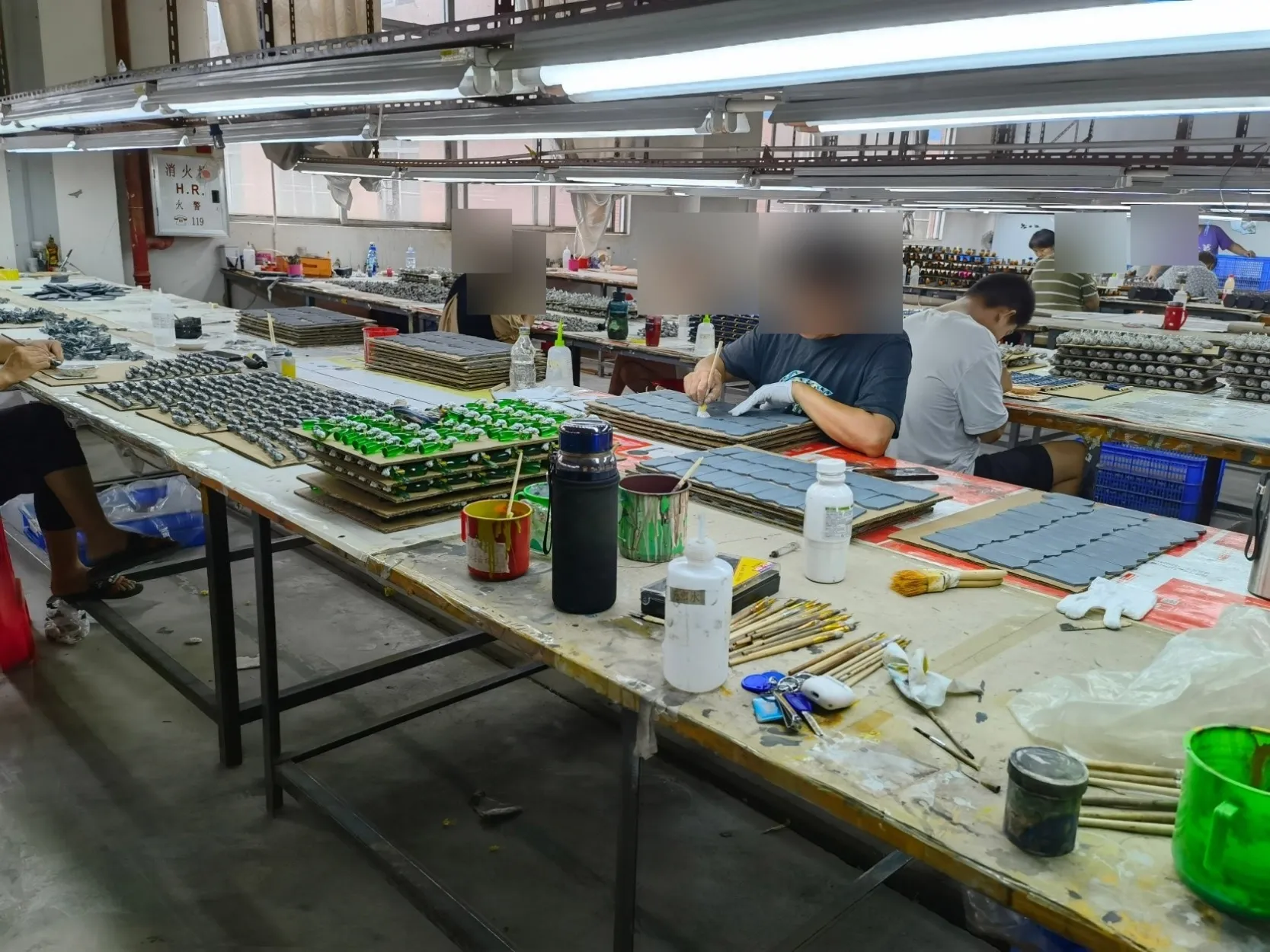
You Paid for the Mould. Do You Own It?
You paid for the tooling — but do you own the mould? Payment is not ownership. Four sentences in your agreement settle the master, the mould, the files, and how the mould is stored and released.
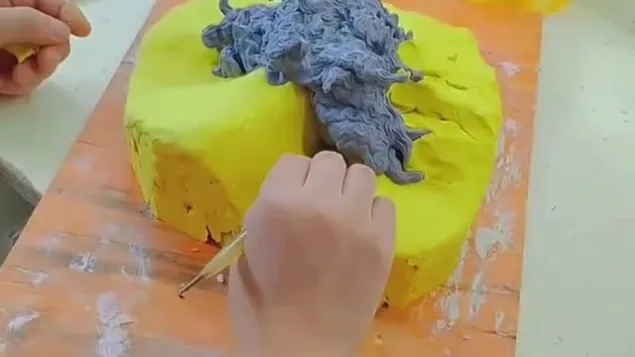
You paid the tooling invoice. The mould was built, the run shipped, and everything seemed settled — until the day you decided to move production to another factory and asked for your mould back.
That is when many brands discover the gap. The factory says the mould stays, asks for a "release fee", or says it was damaged, lost, or "included" in the unit price. The invoice proves you paid money. It does not prove you own the mould.
This is one of the most common and expensive misunderstandings in collectible manufacturing, discovered too late — at the exact moment you need the mould most. The fix is four sentences in the agreement before the mould is ever cut.
Paying for a Mould Is Not the Same as Owning It
A tooling invoice records a payment. Ownership is a different question, answered by the agreement — or by the absence of one.
In practice, a mould is rarely "delivered" to the buyer. It stays in the factory for the whole run — and because it never leaves, no handover happens, and no one notices ownership was never settled until someone tries to move it.
Possession and ownership look identical while the relationship is good; they separate the moment it ends. If the agreement does not say the mould is yours, the factory holding it can plausibly claim it is theirs — that you paid for a service, or for the use of the tool, not for the tool itself.
A Brooklyn jewellery brand learned this the hard way, in a case described in a public article by the OEM manufacturer HOLYCOME: it paid for its moulds, changed factories, and found the moulds did not belong to it. Nothing in writing settled the question, so it started over — new moulds, new cost, new delay.
Three Different Objects, Three Different Owners
"The mould" sounds like one thing. In a collectible project it is usually three, and each can have a different owner.
The master, or pattern. The original — the finished sculpt or print from which the production mould is made. Whoever holds it controls the design, because every future mould is copied from it.
The production mould. The working tool — the steel injection mould for PVC or ABS, or the silicone mould for resin casting. It is what the tooling invoice usually refers to, and the item most brands think they have settled, and most often have not.
The technical files. The 3D files, drawings, and engineering data. Owning the mould does not mean you hold the files, and holding the files does not mean you own the mould.
These three can split in surprising ways: pay for the mould and not hold the master; hold the files and not own the steel; own the steel and still be unable to use it.
So the question is never just "do I own the mould?" It is three questions — master, mould, files — and each answer should be written down before production starts.
How Mould Disputes Actually Start
Mould disputes rarely start with a fight over the mould. They start with a change of plan, and the mould becomes the leverage.
The most common trigger is switching factories. A brand outgrows its factory, finds a better price, or needs capacity the current factory cannot offer — and asks for the moulds to be shipped on. That is when it learns whether it owns them.
The second trigger is an unpaid balance. A factory owed money may hold the mould until the account is settled. Whether it has that right depends on the agreement and local law — the lien question is discussed in public legal articles by Harris Sliwoski, Thornfield, and Importivity, and the specific application needs a lawyer's confirmation. This article is not legal advice.
The third trigger is the "release fee." The factory agrees the mould is yours — but asks for a fee to prepare, pack, or hand it over. Sometimes the fee is reasonable; sometimes it is large enough to make moving the mould uneconomic, which is the same as refusing to release it. The fourth is quieter: the mould is "lost," or "damaged," or the drawings are "no longer available." Then the brand is not negotiating ownership, but whether the mould exists at all.
Harris Sliwoski's article on giving away intellectual property in China describes the same pattern: a startup hands its design to a factory with no ownership agreement, and discovers afterwards it has no clear claim to what was made.
The Four Sentences Your Agreement Needs
Before any mould is cut, the agreement should say four things in plain language.
1. You paid for it. The agreement should record that the customer paid for the tooling, and whether it was a one-off fee or amortised into the unit price.
2. You own it. A mould paid for by the customer is the customer's property — "paid for" and "owned by" must appear in the same clause.
3. The factory stores it, free, for a stated term. The factory will store it free of charge, keep it in good condition, and mark it as the customer's property — with a stated term, so neither side guesses when the arrangement ends.
4. The factory releases it when you ask, within a stated time. On termination or expiry, or at any time on the customer's written instruction, the factory returns, transfers, or destroys the mould as the customer directs in writing — at the customer's cost, within a reasonable time.
Four sentences — the difference between owning a mould and owning an invoice.
How Mancheng states it
At Mancheng Collectibles, the standard wording follows our general NDA template, Article 4. We recommend customers confirm these five points in writing before ordering:
- Customer-paid moulds belong to the customer. Steel moulds for PVC/ABS production, paid for by the customer, are the customer's sole property.
- Free storage for three years. Customer-owned moulds are stored by Mancheng free of charge for three years from the date each mould is made, kept in good condition and clearly identified as the customer's property.
- Release on instruction. If the manufacturing relationship ends or expires, or at any time on the customer's written instruction, Mancheng handles the mould as the customer directs in writing — return, transfer, or destroy — at the customer's cost, within a reasonable time.
- Silicone moulds for resin are different. They are not charged separately, and they belong to Mancheng. Their usable life is about one year, after which the silicone hardens naturally and can no longer be used. The number of casts varies by product, and we do not promise a count. A silicone mould is used only for that customer's product, and re-making one requires prior agreement and the customer's written approval.
- Design ownership is separate from mould ownership. The customer's designs, drawings, and 3D files always belong to the customer, whoever owns the physical mould.
Confirming these points in writing before ordering — mould numbers, storage term, transfer terms — makes the rest of this article unnecessary.
Paid, Amortised, or Factory-Owned: Know Which Deal You Are On
Not every tooling arrangement is a purchase. Three payment structures produce three ownership outcomes, and confusion usually comes from signing one while assuming another.
Paid in full, up front. The customer pays a one-off tooling fee and the mould is theirs — provided the agreement says so. The clearest structure.
Amortised into the unit price. The tooling cost is spread across the unit price, so there is no separate invoice. Here the factory typically owns the mould until the cost is recovered — and sometimes after that, unless the agreement says ownership transfers once amortisation is complete. Before signing, ask in writing when, if ever, ownership transfers to us?
Factory-funded. The factory pays for the tooling, usually expecting a long relationship, and owns the mould — a fair deal, as long as both sides know it. The risk is the brand assuming otherwise and planning a move around a mould it does not own.
Before signing, ask which of these three deals this is. If the answer is not written down, the deal is whichever one the factory remembers.
What to Do If the Mould Is Already Held
If the mould is already in a factory that will not release it, the options are narrower.
Gather the paper trail first. The agreement, the tooling invoice and proof of payment, and the messages that discussed the mould. Ownership arguments are won on documents, not on memory.
Negotiate from the paper, not from the relationship. State what the documents show and what you are asking for: release, transfer to a named factory, or a written statement of the factory's position. A specific written request is harder to ignore, and it creates a record.
Separate the payment dispute from the mould dispute. If money is owed, settle the account on its own terms rather than letting it become a hostage negotiation over the tool. Paying what is genuinely owed removes the factory's strongest argument.
Get legal advice before taking formal steps. Remedies depend on the agreement, the jurisdiction, and the facts. This article is not legal advice.
And if the mould cannot be recovered, rebuild from the master or the files — which is why the three-objects distinction matters. A brand holding its own files and an independent master can remake a mould; a brand holding neither starts from zero.
The Cheap Moment to Settle This
A mould dispute is expensive: new tooling, lost time, a delayed launch, a relationship ending badly. The moment to settle it is cheap — a paragraph in an agreement, written before the mould is cut.
Before your next order, ask the factory five questions, in writing: who owns the master, who owns the production mould, who holds the design files, how long will you store our moulds free of charge, and what happens when we ask for them back?
For more on what tooling costs, see the link "Undercuts: The Detail That Quietly Doubles Your Tooling Cost". For what to lock down before a run, see the link "Why Your Production Statue Doesn't Look Like the Prototype — and What to Lock Down Before the Run".
Request a Quote
Planning a run and want the mould terms settled before tooling starts? Request a quote — tell us about your design, and we will confirm the mould numbers, storage, and transfer terms in writing.
About Mancheng Collectibles: Mancheng Collectibles is a B2B OEM/ODM manufacturer in Dalingshan Town, Dongguan, China, with 10+ years of experience making resin statues and busts, PVC/ABS figures, 1/6 scale figures, and prop replicas. We manufacture under client authorization — design and IP always belong to the client. No fixed MOQ; every project is assessed on its own.