Oct 12, 2026
How to Evaluate a Collectible Manufacturer Before Starting Production
A practical framework for evaluating a collectible manufacturer before production, from engineering feedback and sample control to QC, packaging and communication.
To evaluate a collectible manufacturer before production, look beyond the finished samples in a portfolio. The stronger evidence is how the supplier reviews your files, identifies manufacturing risks, controls approvals, plans repeatable production, and prepares the finished product for packing and shipment. A good evaluation tests both craftsmanship and the factory’s ability to turn one approved sample into a controlled production process.
Start With the Project, Not a Generic Factory Checklist
The right manufacturer depends on the product. A resin statue with a scenic base, a PVC/ABS figure, a 1/6 articulated figure with fabric clothing, and a prop replica with light and sound do not create the same production risks.
Before judging a supplier, define the important parts of the project: target scale, materials, estimated quantity, finish standard, moving or removable parts, electronics, packaging expectations, approval stages, and target schedule. A factory may be capable in one category but less suitable for another. The question is not simply, “Can you make collectibles?” It is, “Can you control this combination of materials, structure, finish, functions, and quantity?”
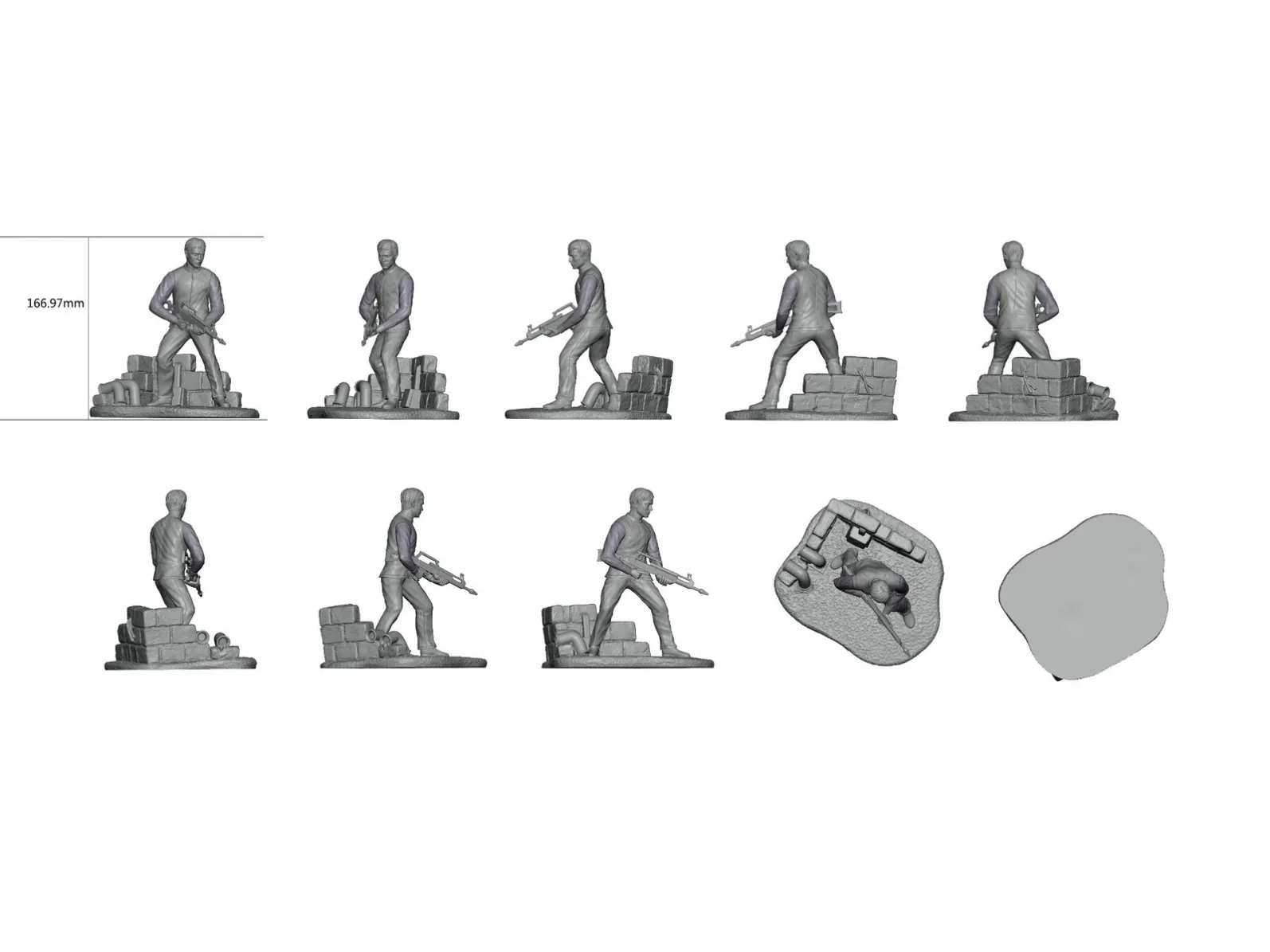
Our collectible development process shows the main stages that should be discussed before production begins.
Evaluate the Quality of the Engineering Feedback
A useful supplier review should identify risks that are visible before tooling or batch production. Depending on the product, this may include:
- parts that are difficult to mold, cast, paint, or assemble;
- thin sections, long projections, or heavy parts that need structural support;
- joints that require controlled tolerances;
- areas where paint masks, seams, or assembly access may affect the appearance;
- translucent parts that need light diffusion or paint blocking;
- fabric, magnets, wiring, speakers, motors, or switches that affect internal space;
- packaging contact points that could damage delicate surfaces.
Good engineering feedback is specific. It should explain the risk, the proposed change, and what that change means for appearance, cost, tooling, assembly, or lead time. A supplier that agrees to every file without questions may not be giving the project enough technical review.
Ask How the Approved Sample Becomes the Production Standard
A strong sample is important, but it does not prove that production will match it. Ask what records are created when the sample is approved and how those records are used on the production floor.
For painted products, the factory should retain clear color and finish references, application notes, masking boundaries, assembly requirements, and approved comparison samples. For mixed-material or functional products, the standard should also cover fit, movement, electronics, sound, lighting, fastening, and operating sequence where relevant.
The evaluation should focus on traceability: which version is approved, what changed, who records the change, and how the next department receives the same instruction. Verbal approval alone is vulnerable to interpretation, especially when several departments are involved.
Review Production Control, Not Only Final Inspection
Final QC cannot correct every problem economically. If a fit issue, paint sequence, weak joint, or assembly mistake is discovered only after the full batch is complete, rework may be difficult or may introduce new defects.
Ask where checks occur during casting or molding, surface preparation, painting, assembly, functional testing, and packing. The exact checkpoints will vary, but the principle is consistent: important risks should be checked at the stage where they can still be corrected.
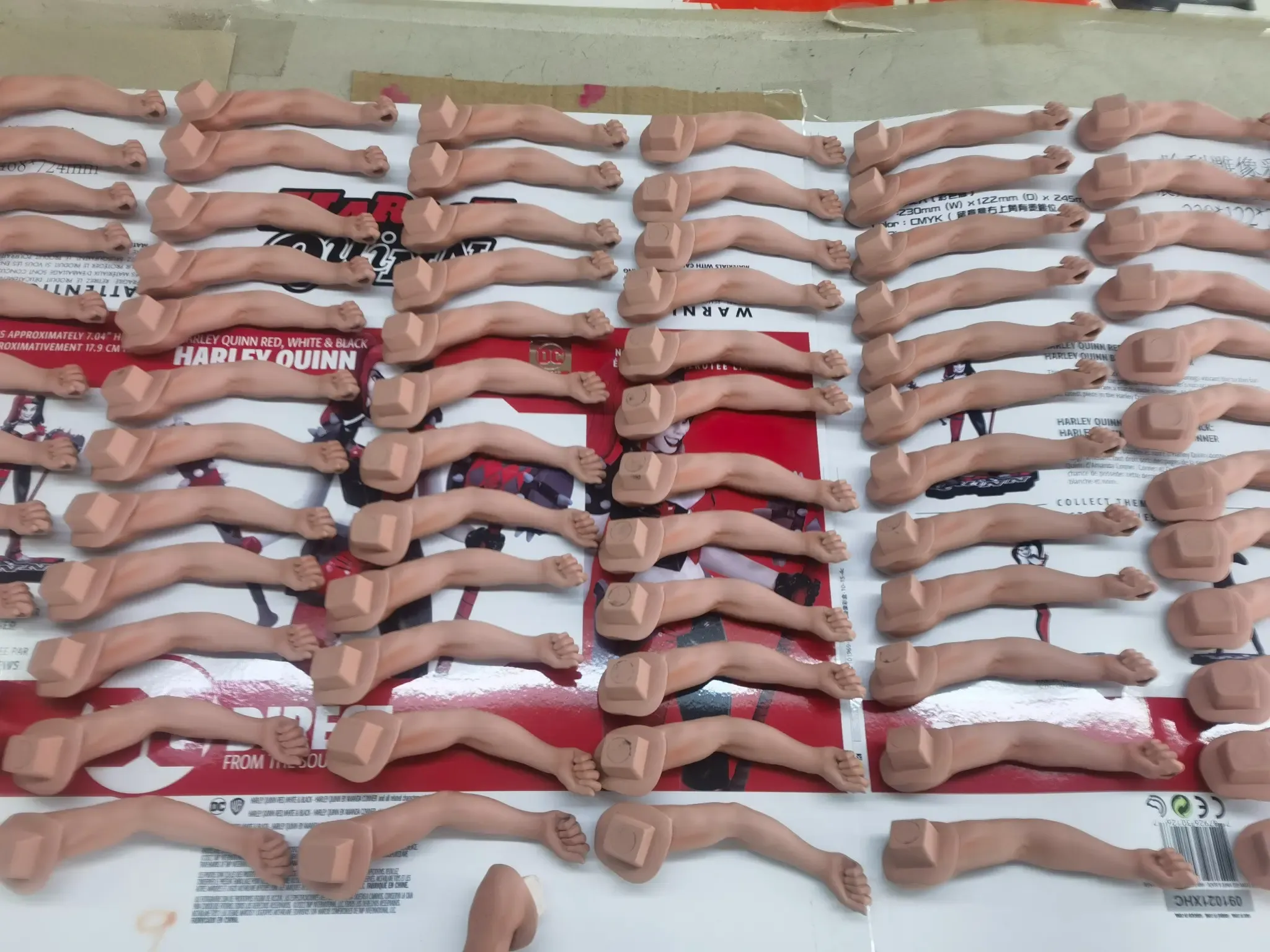
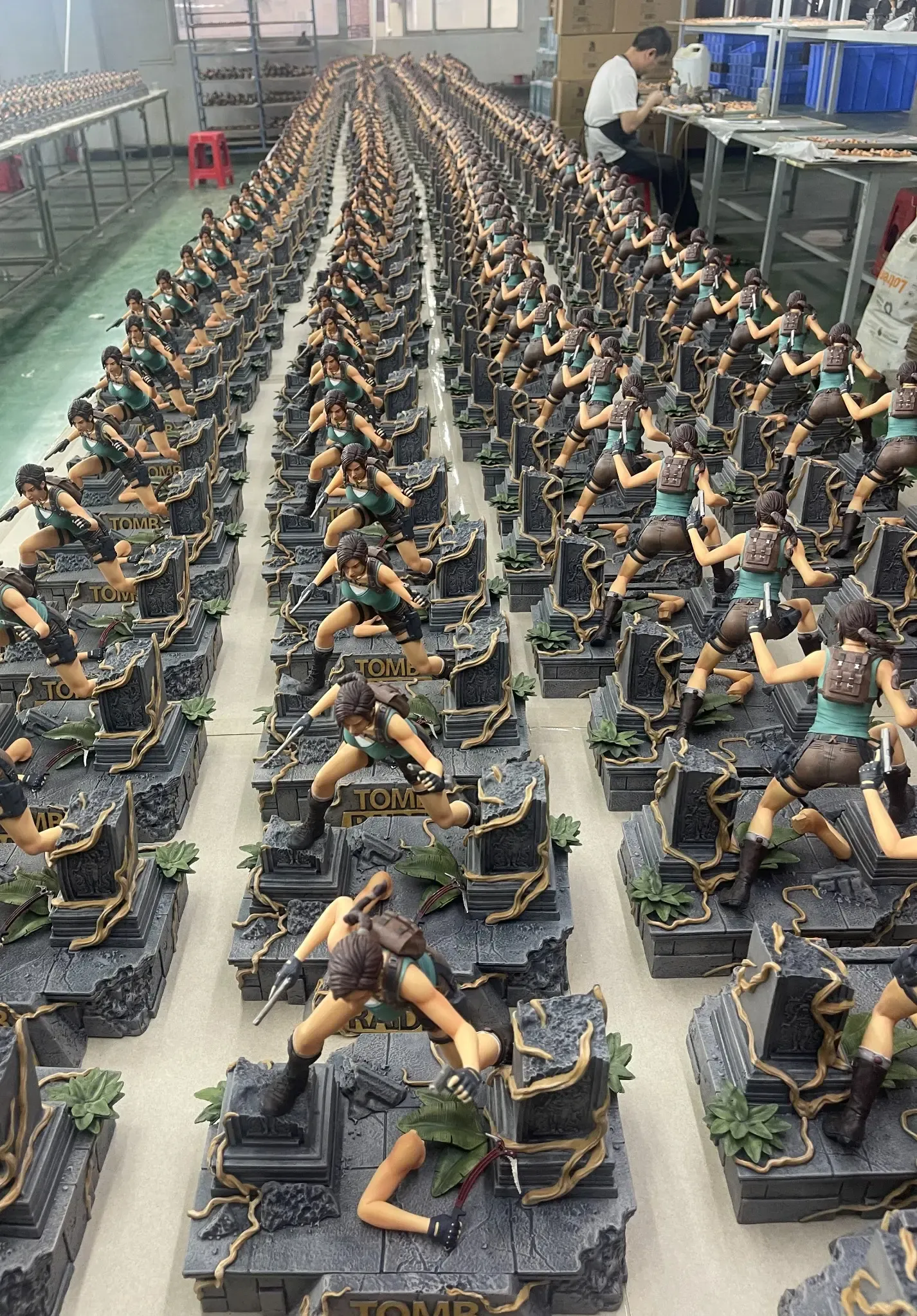
For example, resin castings should be reviewed before paint; parts with tight fits should be dry-tested before final assembly; electronic functions should be tested before the product is fully closed; and finished surfaces should be checked before packaging contact makes inspection harder. Our anonymized manufacturing work illustrates the range of products that can require different control plans.
Examine Communication and Change Control
Collectible development normally includes revisions. What matters is whether revisions are controlled.
Ask the supplier to describe how it handles updated 3D files, revised paint notes, new component specifications, or packaging changes. A dependable process should separate obsolete and current files, record approval status, and make the final requirement clear to engineering, sampling, production, QC, and packing teams.
Communication quality can often be assessed before an order is placed. Look for direct answers, documented assumptions, realistic timelines, and early warnings when a decision affects cost or schedule. Frequent agreement without clarification is not the same as reliable communication.
Check Whether Packaging Is Part of Product Development
Packaging should not be treated as an unrelated final purchase. Product structure, removable parts, delicate paint, weight distribution, accessories, and electronics all affect the internal pack.
A manufacturer should be able to review how the product is supported, where pressure is applied, how parts are separated, and how the pack will be assembled consistently. The most attractive product can still fail commercially if projections bend, surfaces rub, accessories move, or the user cannot remove the product safely.
Ask when packaging fit will be tested and whether the packed product will be checked before shipment preparation. If packaging decisions start too late, structural or cosmetic risks may already be fixed into the product.
Use a Small Evaluation That Reveals the Real Process
Price comparisons are useful only when the scope is comparable. Instead of sending a simple model and asking for a number, provide enough information for a meaningful technical response. Then compare suppliers on:
- questions raised before quotation;
- assumptions stated in the quotation;
- proposed materials and production method;
- clarity of tooling, sample, production, and packaging costs;
- approval stages and responsibilities;
- sample revision handling;
- production checkpoints;
- packaging and shipment preparation;
- schedule dependencies and risks.
The aim is not to find a supplier with the longest checklist. It is to see whether the manufacturer understands the product, makes practical decisions visible, and can explain how the approved result will be repeated.
Make the Decision on Evidence
A collectible manufacturer should be evaluated through evidence from the full development path: relevant product experience, specific engineering feedback, controlled samples, documented approvals, in-process checks, packaging integration, and disciplined communication. A polished sample or a low quotation can support the decision, but neither is sufficient by itself.
If you are preparing a resin, PVC/ABS, 1/6 scale, mixed-material, prop replica, or functional collectible, you can contact Mancheng with the project files and requirements for a manufacturing review.
FAQs
What should I send when evaluating a collectible manufacturer?
Send the available 2D references or 3D files, target scale, materials, estimated quantity, finish requirements, functions, packaging expectations, approval process, and schedule. Clearly mark which information is fixed and which remains open to engineering advice.
Is an approved sample enough to judge production capability?
No. An approved sample confirms a target result, but production capability also depends on documented standards, repeatable processes, in-line checks, change control, assembly planning, and packaging validation.
Should I choose the manufacturer with the lowest quotation?
Not without comparing scope. Confirm what is included in engineering, tooling, samples, revisions, production, QC, packaging, testing, and shipment preparation. A lower initial price can hide missing work or assumptions that appear later.