
What Files Do You Need to Start a Collectible Project?
A practical checklist of briefs, 2D references, 3D files, scale, materials, finishes, functions, approvals and packaging inputs needed to start development.
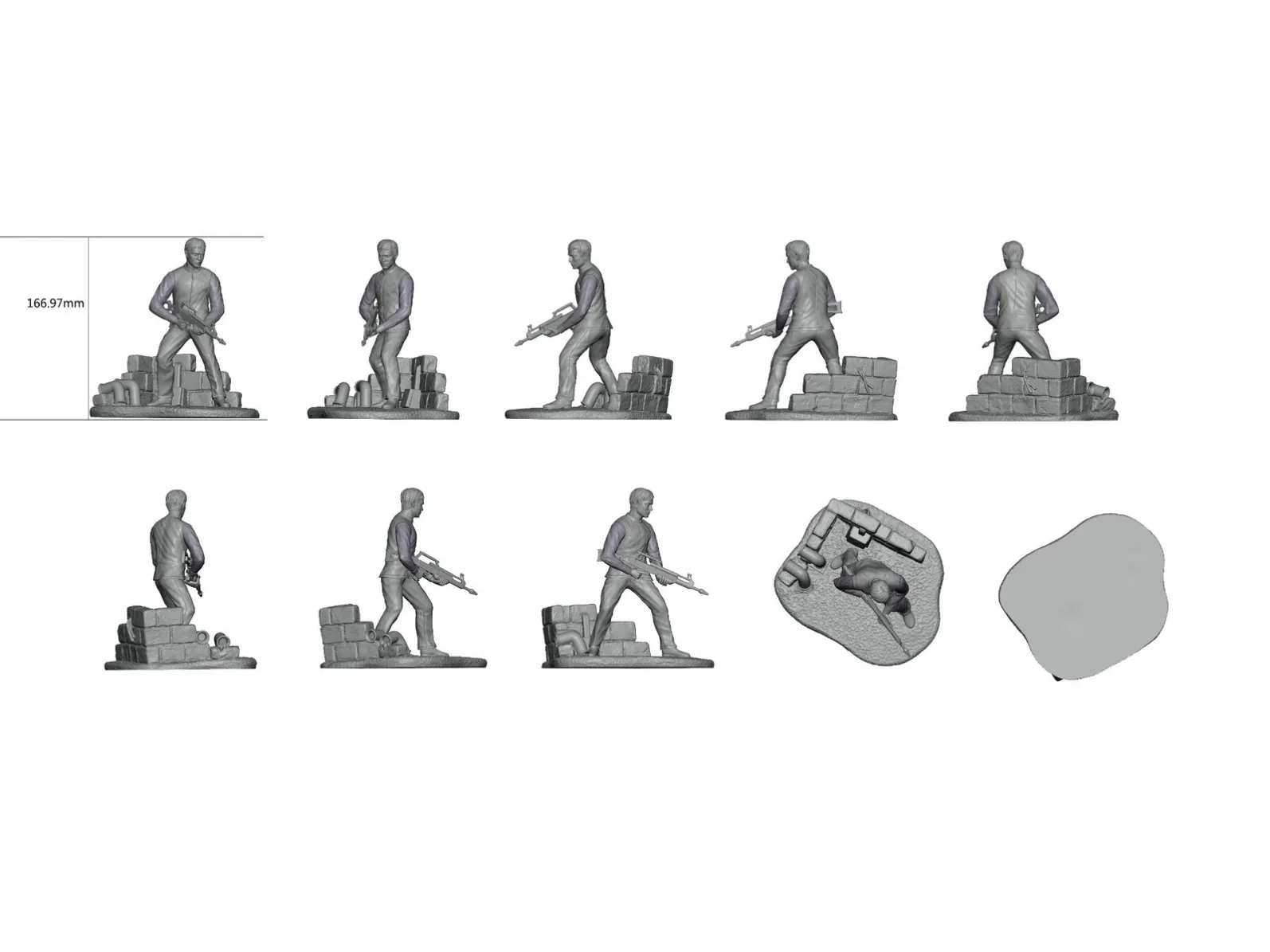
Short answer: You do not need every production file to be complete before starting a collectible project. But the manufacturer must understand what is already approved, what is still open, and the intended scale, materials, finish, function, packaging and approval path. A project can begin from a 2D concept, a professional 3D sculpt, an approved physical master, or a production-transfer package—as long as the starting point is clearly documented.
What Can Be Used as a Starting Point?
Different projects enter development at different stages. The important issue is not how much material exists, but whether the available information is consistent and suitable for the next decision.
2D concept and design brief
A clear concept image can be enough to begin 3D development. Supply front, side and rear views where possible, plus notes on size, pose, accessories, surface treatment and any areas that must not change. When a view is missing, identify whether the factory may interpret it or must wait for approval.
Professional 3D sculpt
A finished sculpt is a strong visual starting point, but it is not automatically ready for prototyping or tooling. Scale, wall thickness, part breaks, joints, tolerances, support, assembly access and packaging interaction still need review.
Approved physical master
An approved master can be reviewed for digitization, part separation, molding, casting, assembly and finish control. Clarify which details, proportions and surface qualities are fixed, and which production changes may be considered.
Production-transfer package
If another team has completed development, the handoff should include the latest files, an approved appearance reference, material and finish specifications, assembly instructions, functional requirements and a clear record of open issues.
Core Information Every Project Needs
Whatever the starting point, the following information helps the team define a practical scope before detailed work begins:
- Product type: resin statue, PVC/ABS figure, 1/6 articulated figure, mixed-material collectible or prop replica
- Target dimensions or scale, including the base and accessories
- Intended materials and any flexible, transparent, metal or fabric parts
- Color and finish references, including gloss, matte, metallic or weathered effects
- Detachable parts, articulation, magnets and assembly expectations
- LED, sound or mechanical functions and how the user operates them
- Packaging format, display orientation and any size constraints
- Expected approval stages and who has authority to approve them
- Target timing and the decisions that may affect it
If You Supply 2D Artwork
Mark dimensions, proportions and important details directly on the artwork where practical. Separate fixed design requirements from suggestions. Color references should identify the intended result rather than rely on different screens reproducing the same color. If accessories, fabric or effects are important to the silhouette, include them in the brief from the beginning.
The main risk with a 2D-only handoff is silent interpretation. Missing rear views, unclear thickness, floating parts or inconsistent proportions can become expensive once the sculpt is approved. Resolve these questions during 3D review, while changes are still manageable.
If You Supply 3D Files
Provide the latest approved version with a clear naming system and the intended scale. State whether the file is an artistic sculpt, a print-ready model or a production-engineered assembly. Include separate parts only when those separations are intentional; otherwise, let the engineering review determine practical part breaks.
A manufacturability review should check thin areas, unsupported weight, trapped geometry, paint access, molding direction, joint strength, assembly sequence and space for internal components. These decisions protect the design while reducing avoidable rework before tooling.
If You Supply a Physical Master
Photograph and document the approved condition before shipment. Note fragile details, detachable parts, surface texture and any repairs. The master should be treated as an appearance standard, but production planning may still require changes to part breaks, internal support or assembly.
Files for Functional Collectibles
For LED, sound or mechanical features, a visual reference alone is not enough. Define the user action, operating sequence, power arrangement, access for batteries or charging, expected light or sound behavior, moving range and acceptance criteria. The exterior design, internal space, material translucency, assembly and testing plan must be considered together.
Define Approvals Before Development Starts
A clear approval path prevents one team from advancing while another is still reviewing an earlier stage. Typical checkpoints may include engineering review, 3D approval, printed prototype or master approval, painted sample approval, packaging approval and production reference approval. Not every project needs every checkpoint, but each required approval should have an owner and a recorded reference.
Common Gaps That Slow a Project Handoff
- Conflicting dimensions across the brief, sculpt and packaging
- Missing views or unclear back-side details
- Material and finish decisions left until after engineering
- Functional behavior described without measurable acceptance criteria
- Packaging started too late to influence part protection and assembly
- Multiple file versions without one identified as current
- An approved sample that is not documented as the production reference
What Should You Send First?
Start with the best current design reference, the intended product size, the preferred material direction, the finish or functional requirements, the target packaging format and a list of decisions already approved. The initial review can then identify what is ready, what requires clarification and what should be tested through prototyping.
See Mancheng's development and production process and collectible manufacturing capabilities. To review a specific brief or file package, discuss your project with us.
FAQs
Can we start with only a concept image?
Yes. A concept image can start 3D development if scale, key views, materials, finish, accessories and approval responsibilities are clarified. Missing design information should be listed rather than silently assumed.
Does a finished 3D sculpt mean it is ready for tooling?
No. The sculpt still needs a manufacturability review covering part breaks, wall thickness, strength, tolerances, paint access, molding, assembly and packaging.
Can Mancheng take over after prototype approval?
Yes, provided the approved reference, current files, material and finish standards, assembly requirements and any open issues are transferred for review before tooling or production setup.