What Can a Container-Loading Photo Verify for a Collectible Shipment?
A container-loading photo records visible cartons and layout, but not contents or shipment condition. Use a clear photo set and separate handoff records.
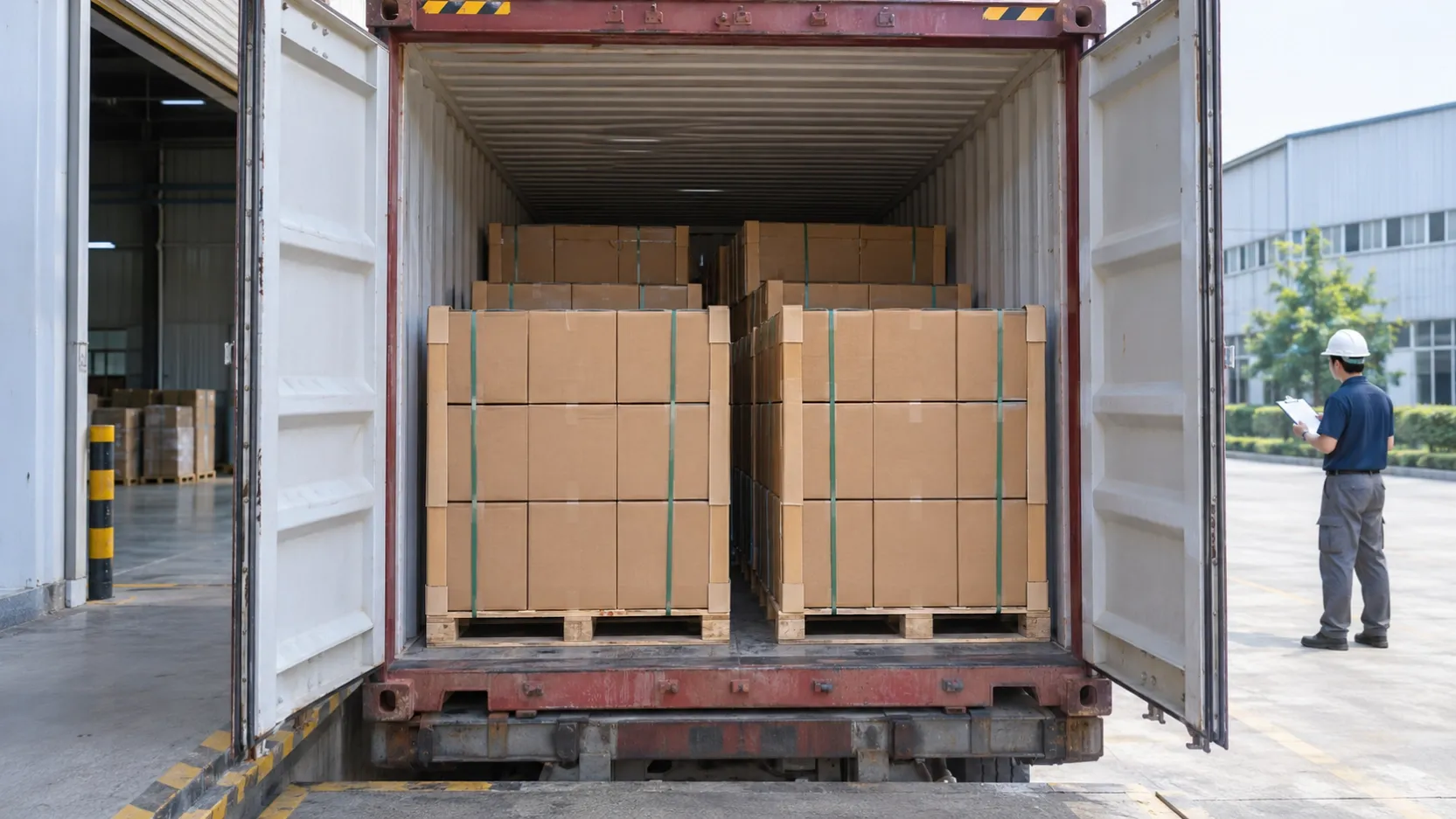
A container-loading photo can document what was visible at one moment: the container opening, some cartons, their apparent placement and the surrounding scene. It cannot, by itself, verify what is inside each carton, how every carton is protected, whether the load is secure, whether hidden damage exists, or what happened after the image was taken. Treat it as one piece of a shipment record, not as proof of complete packing quality or delivery condition.
That distinction is useful for collectible shipments because an image often travels farther than the person who took it. A buyer may see a picture and need to decide whether it answers a release question, whether more evidence is needed, or whether the image is simply context. The answer depends on the decision being documented.
Start with the decision the photograph should support
Before taking pictures, write down the question the image is meant to answer. Is the team recording that loading began? Showing the arrangement of outer cartons? Noting a visible carton condition? Confirming that a particular labeled group was present at the handoff? Those are different purposes and call for different views.
A single wide photograph is good at giving context. It can show an open container and the visible portion of a load. It is usually poor at resolving small labels, carton corners, internal packing or details deeper inside. Close-ups can help with a specific visible feature, but they may lose the wider context that explains where that feature sits.
The photo plan should therefore follow the handoff decision rather than a generic instruction to “take loading photos.” If a record needs to connect a close-up to a particular row or group, include a context view and a consistent way to identify the location in the separate shipment record. Avoid showing personal information, private customer names or unnecessary transport identifiers in images intended for wider circulation.
Use a small set of complementary views
For a practical documentation set, consider three kinds of view:
- Context: the container opening and the visible overall arrangement, taken from a safe position that does not obstruct work.
- Location: a view that makes the relevant row, pallet or carton group understandable in relation to the larger load.
- Condition detail: a close view only when a visible mark, crushed corner or other specific condition needs to be recorded.
These are recommendations, not a universal compliance standard. The right number of images depends on the handoff question, product protection plan and the records agreed by the parties. A photo should not imply that every item was individually checked if the view does not show that.
Keep the sequence understandable. If a close-up records a visible carton condition, note which carton or location it represents in the accompanying record. If several cartons look alike, do not assume that an image alone uniquely identifies them. A clear filename, date/time record and shipment reference can help connect photographs to the correct handoff without putting confidential names or order details in the public image itself.
Separate visible evidence from conclusions
Describe only what the image shows. “Cartons are visible at the far end of an open container” is a bounded observation. “The collectible shipment is packed safely” is a broader conclusion that the image may not support. The photo generally does not reveal the contents, the protective materials inside a carton, the state of surfaces hidden from view, or what occurred after the shutter was pressed.
The accompanying cover is a user-provided view of cartons and a freight container; it does not identify the cargo as collectibles or establish a customer, shipment outcome, inspection result or Mancheng production record. The image illustrates the limits of a loading photograph.
When a question requires evidence beyond the visible scene, use the appropriate separate record rather than asking the picture to carry it. Depending on the agreed workflow, that may mean carton identification, packing records, a handoff checklist or a separately documented inspection. Do not imply that any particular test or shipping standard was followed unless the records establish it.
Make the handoff record useful after the photo is taken
A useful photo record answers four practical questions: what decision it supports, when it was taken, which visible location it refers to and what remains unverified. A short note can state that the image documents the open-container view at handoff while carton contents and later transit condition are outside its scope.
If the image will be shared beyond the operations team, check the frame for identifying labels, customer names, addresses or vehicle details. Retain the original internally where appropriate, and prepare a separate shareable copy only under the organization’s normal privacy and media-handling rules. Do not alter the record to make a load appear more complete or orderly than it was.
For product development and production coordination, the same discipline applies to the broader visual trail: distinguish concept references, approved samples, packing views and shipment records. Mancheng’s process overview and product range provide context for the collectible categories and stages discussed on the site; a loading photograph remains a record of its own visible scene, not evidence for every earlier production step.
A simple review checklist
Before accepting a loading photograph as useful handoff evidence, ask:
- Is the intended decision stated?
- Can a viewer understand the visible container and relevant load location?
- Are close-ups connected to a location in a separate record?
- Does the caption describe only visible facts?
- Are customer or personal identifiers excluded from the shareable copy?
- Is there a separate record for any conclusion the photo cannot establish?
The goal is not to make a photograph prove more than it can. It is to make the image easy to interpret, connect it to the right handoff record and leave unknowns visible. If a shipment concern depends on hidden contents or later handling, record that question separately and use the agreed inspection or resolution process. For a project-specific discussion, use the verified contact page.
FAQs
Does a container-loading photo prove that cartons are packed correctly?
No. It can show visible carton arrangement at the moment photographed. It normally cannot reveal carton contents, internal protection, hidden damage or later handling.
How many shipment photos should a team take?
There is no universal number in this recommendation. Plan the views around the handoff decision: context, relevant location and any specific visible condition that needs a close-up.
Should customer labels appear in loading photos?
Only when the intended record requires them and the image stays within the agreed audience. For wider sharing, remove or avoid unnecessary customer names, personal details and transport identifiers while preserving an accurate record.