When a Collectible Sculpt “Looks Too Big”: Turn the Feedback Into a Revision Brief
“Looks too big” is a useful signal, but not a complete sculpt instruction. Compare the same views, identify the feature changing the perceived proportion, and agree a reference and revision boundary b
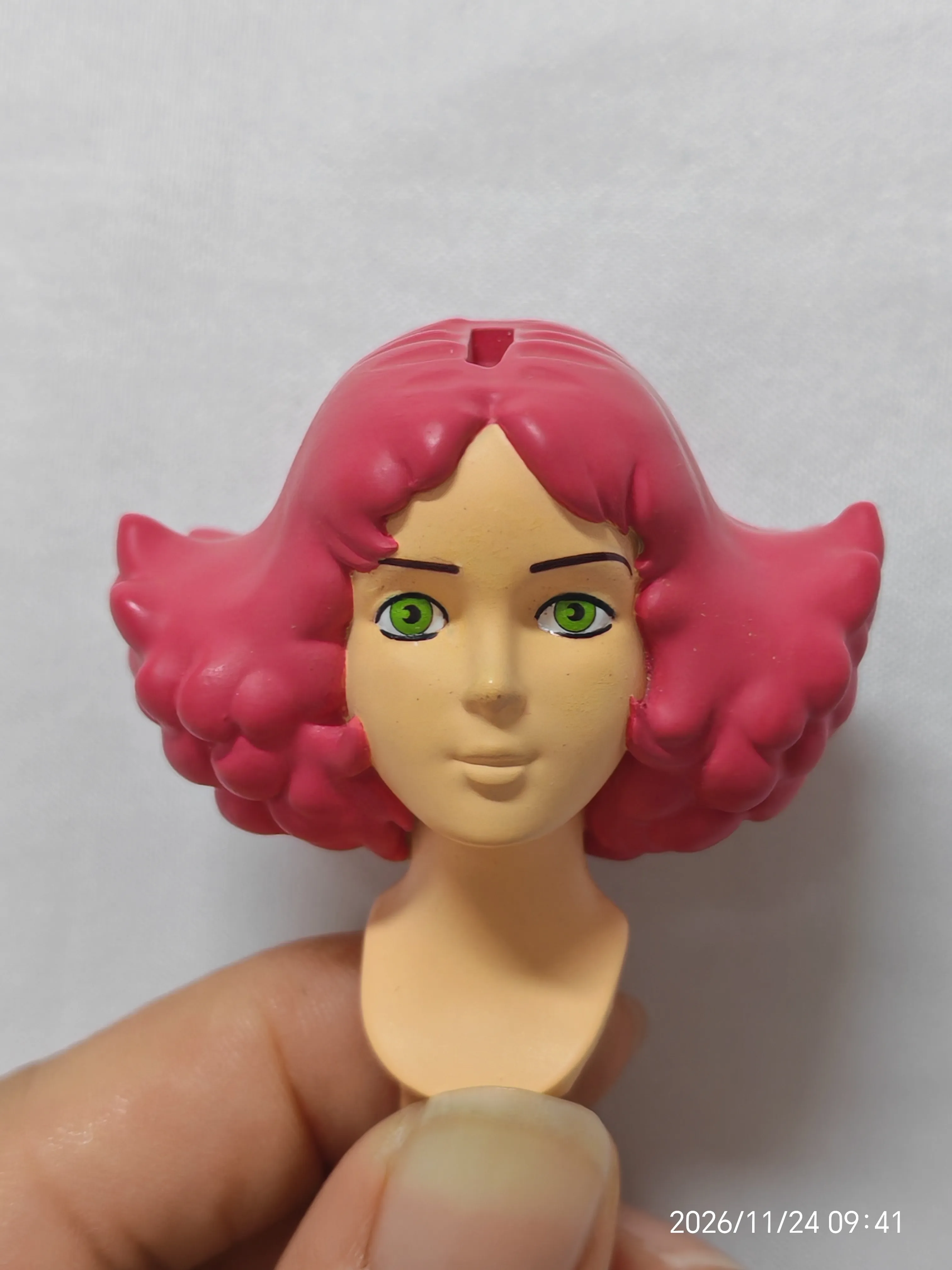
“Looks too big” is a useful review signal, but it is not yet a sculpt instruction. Before changing a collectible, agree what appears oversized, which view or reference establishes the comparison, and whether the requested change applies to one feature or the whole silhouette. A controlled revision brief makes the concern testable without turning one person’s impression into an unbounded redesign.
The phrase can describe several different observations: a head that dominates the torso, shoulders that feel too broad, an accessory that overwhelms the figure, or a whole piece that feels too large beside its intended display context. Those are different problems. Shrinking the entire sculpt may solve none of them and can damage details that were already approved.
Separate the observation from the proposed fix
Ask the reviewer to point to the feature that creates the impression and describe what they expected to see. Keep the first note observational: “the head reads larger than the body in the front view” is more useful than “reduce the head by ten percent.” The percentage already assumes a diagnosis and a solution that may not be supported by the comparison.
For each comment, record four things: the view, the visible relationship, the intended reference, and the reviewer’s priority. A face may look oversized because the neck is long, the shoulders are narrow, the hair adds volume, or the chosen camera view exaggerates depth. These are hypotheses for review, not causes to assert without checking the model.
Compare like with like
Use repeatable front, side and three-quarter views with the same camera, framing and neutral lighting for the current and proposed revisions. Keep the pose and costume state consistent. If the issue concerns a clothed 1/6 figure, compare it dressed as intended; a body-only view may not answer how the finished silhouette reads.
Choose a reference that answers the actual question. It might be approved concept art, a scale drawing, a physical prototype, or a proportion guide supplied by the product team. State what the reference controls: overall height, head-to-body relationship, shoulder width, limb length, or the visual balance of one accessory. Do not treat a reference image as permission to copy another product’s design.
A silhouette view can help isolate the outer contour from surface detail. A close-up may clarify a local feature, but it should not replace the overall view if the concern is balance. Maxon’s ZBrush documentation describes silhouette viewing as a way to inspect pure form; that is a useful review aid, not a standard that determines the “correct” collectible proportion.
Scope the revision before sculpt work
Write the requested change as a target relationship, not just a tool action. For example: “In the approved three-quarter view, reduce the visual dominance of the head relative to the shoulder width while preserving the approved facial expression and hair outline.” This describes what the team wants to evaluate and what must remain stable.
Name the affected area and the protected areas. If the proposed edit might change adjacent details, list them for re-review rather than silently approving them. Keep the current approved file identifiable and save the revision as a new version. Do not overwrite the reference that reviewers are using to compare changes.
When reviewers disagree, do not average incompatible instructions. Ask the designated decision owner to choose the reference and state which version controls. If the team cannot agree what “too big” means, the right next step is a focused comparison, not a speculative sculpt change.
Make the next review answer one question
Show the current and revised version side by side from the agreed views. Keep unrelated edits out of that comparison where possible. Ask reviewers to decide whether the named relationship is improved, whether protected features remain acceptable, and whether another focused change is needed. Record the decision and the version it applies to.
This process does not guarantee that every reviewer will share the same aesthetic judgment. It creates a clear basis for deciding what to revise and prevents a vague note from expanding into an undocumented redesign. If the concern remains subjective, preserve the alternatives and ask the product owner to select one; do not claim an objective proportion rule where none has been agreed.
A useful review route connects the approved reference to a versioned decision. Mancheng’s development process and project examples show how design review fits into the wider path from concept to production. If the revision boundary still needs to be defined, the project contact page is the appropriate place to share the brief.
FAQs
Should we resize the whole figure when the head looks too large?
Not automatically. First identify which relationship looks wrong and compare it with the approved reference. The head, neck, shoulders, hair and camera view may each affect the impression.
Which views should be included in a sculpt revision?
Use the same front, side and three-quarter views used for the comparison, plus a focused view of the affected feature when needed. Keep pose, costume state and framing consistent.
How do we avoid reopening already approved details?
Name the requested change and the protected features in the revision brief. Save a versioned file and ask reviewers to approve only the stated scope unless an adjacent change is explicitly returned for review.