How to Review Parting Lines Before a Collectible Mold Is Cut
Parting lines affect seams, paint breaks and assembly. Learn what to review on the 3D model before a collectible mold is committed.
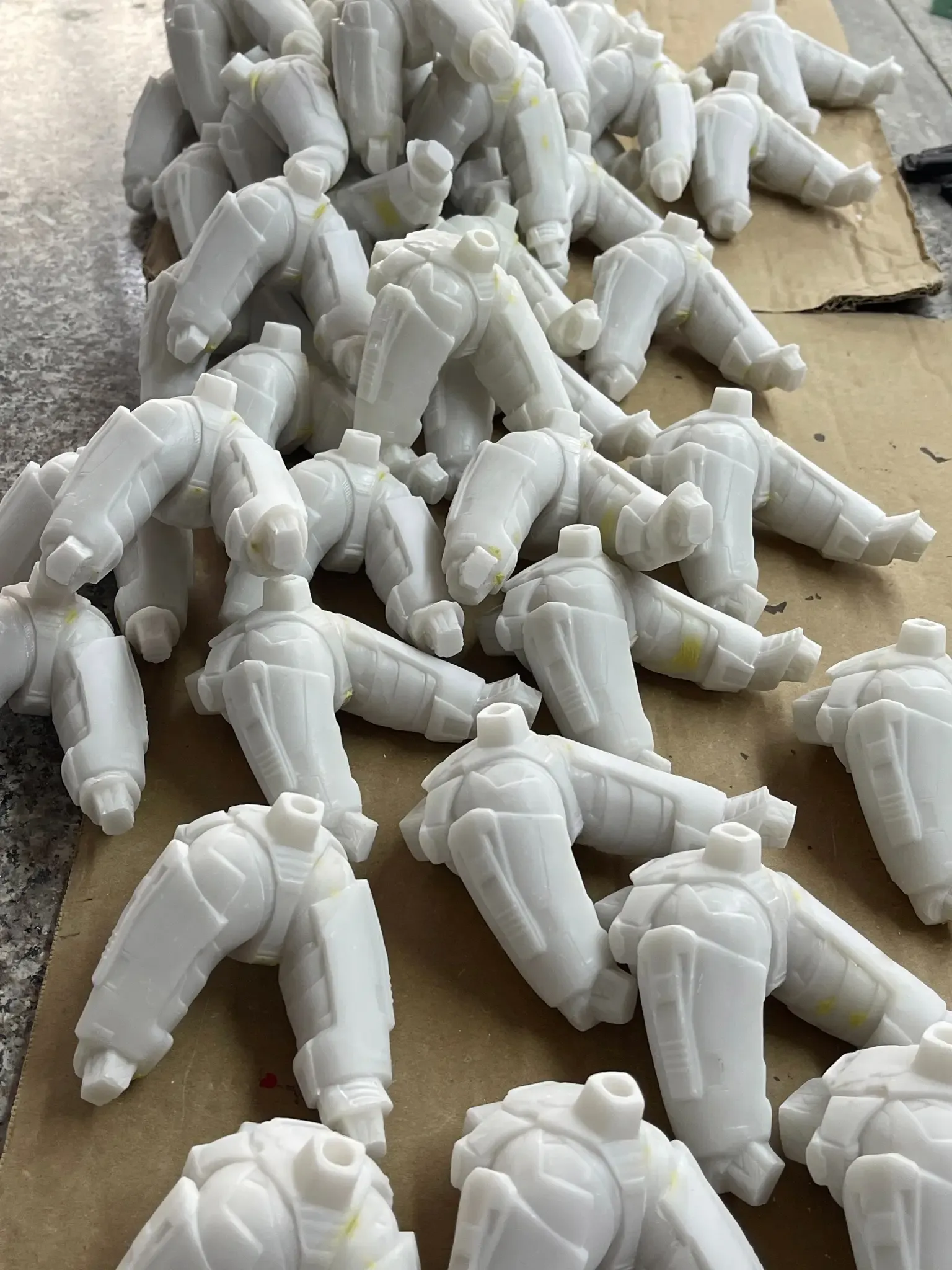
A parting line is an engineering decision with a visual consequence. If it is reviewed only after tooling starts, the team may discover a seam across a visible face, a difficult paint boundary or an assembly mismatch that is expensive to correct.
Review the line against the finished product
Start with the assembled collectible, not an isolated mold view. Mark the high-visibility zones: face, chest, hands, scenic details and any area that will receive a metallic or high-gloss finish. A line that is acceptable on the back may be unacceptable across a focal feature.
Check draft and release direction
The proposed split must allow the part to release from the tool without damaging undercuts or forcing an impractical process. Review the draft direction with the sculpt and engineering teams together. A visually clean line that cannot release reliably is not a production-ready decision.
Coordinate seams with paint and assembly
Whenever possible, place seams where a paint boundary, costume break or natural structural division can help hide them. Also confirm that the seam does not interfere with magnets, pins, joints, electronics or adhesive surfaces. The best tooling line is the one that remains manageable through molding, finishing and assembly.
Use section views and a physical review
Screenshots from one angle can hide a problem. Use section views or turntable views to inspect the full path of the line. A printed or sample component can reveal scale effects that are difficult to judge on a monitor, especially around thin edges and shallow relief.
Freeze the decision
Record the approved 3D revision, line location, visible exceptions and any follow-up surface treatment. If the line changes after approval, treat it as an engineering revision rather than an informal adjustment. Clear records protect the approved sculpt while giving production a usable route to repeat the part.
FAQ
Should every seam be invisible?
No. It should be controlled for visibility and placed where the complete product can accept it.
Can paint hide a poor parting line?
Paint may reduce visibility but should not be used to excuse a seam that damages the form or assembly.
When should this review happen?
Before tooling is finalized, while the 3D model and split direction can still change safely.