Resin Statue or 1/6 Figure: Which Format Fits the Product?
Compare resin statues and 1/6 figures by product promise, posing, clothing, accessories, sample approval, packaging and owner interaction before development begins.
A character should become a resin statue when the fixed composition, sculpted silhouette and display presence are the main promise. It should become a 1/6 figure when posing, clothing, accessories and owner interaction are essential to the experience. The decision is therefore larger than material selection: it defines what the product must do, what the sample must prove and what the customer will handle after opening the box.
The format changes the product promise
Two products can represent the same character and still require very different development briefs. A resin statue asks the team to resolve one intended view, balance the full composition and lock each surface into a controlled result. A 1/6 figure asks the team to preserve the character across a range of poses, garment positions and accessory combinations.
That difference should be decided before detailed sculpting begins. If the brief says only “premium collectible,” the development team still lacks the information needed to choose body construction, clothing strategy, connection points, base size and packaging arrangement.
The useful first question is: what should the owner be able to change?
If the answer is “nothing; the approved composition is the product,” a statue is often the clearer direction. If the owner is expected to pose the body, adjust fabric, swap hands or place accessories, the design is moving toward an articulated mixed-media figure.
Choose a resin statue when the composition is the product
A fixed statue can concentrate attention on a strong silhouette, an expressive pose and a scenic base. Hair, clothing folds, weapons and environmental effects can all be sculpted around a single approved composition. That gives the art team direct control over how lines flow through the piece and how the character reads from the intended viewing angles.
This format is especially useful when:
- the pose carries the narrative;
- a large scenic base or effect is integral to the design;
- sculpted texture matters more than adjustable clothing;
- the product should arrive close to its final display state; or
- articulation lines would interrupt the intended surface.
Fixed does not mean simple. A dynamic statue still needs sensible part separation, stable connections, practical assembly and packaging that protects projecting details. A dramatic pose can also create a large footprint or an uneven center of gravity. Those consequences should be reviewed while the composition can still change, not after the master has been approved.
Choose a 1/6 figure when interaction matters
A 1/6 figure is a system: body, head sculpt, hands, footwear, clothing and accessories must work together. The character has to remain convincing after the owner changes the pose. That makes range of movement, fabric bulk, joint visibility and accessory handling part of the design problem.
This route is stronger when:
- posing is part of the product appeal;
- tailored or layered clothing defines the character;
- hands, heads or equipment are intended to be swapped;
- the owner should be able to create more than one display arrangement; or
- the product belongs to an established 1/6 collecting format.
The figure should not be approved only in a neutral standing pose. Sample review should include the poses shown in marketing, the intended hand-and-accessory combinations, garment adjustment and the owner actions required to reach those results. A body that moves freely without clothing may behave differently after a jacket, belt, holster or boot is fitted.
Compare the development responsibilities, not just the materials
The two formats move risk to different places.
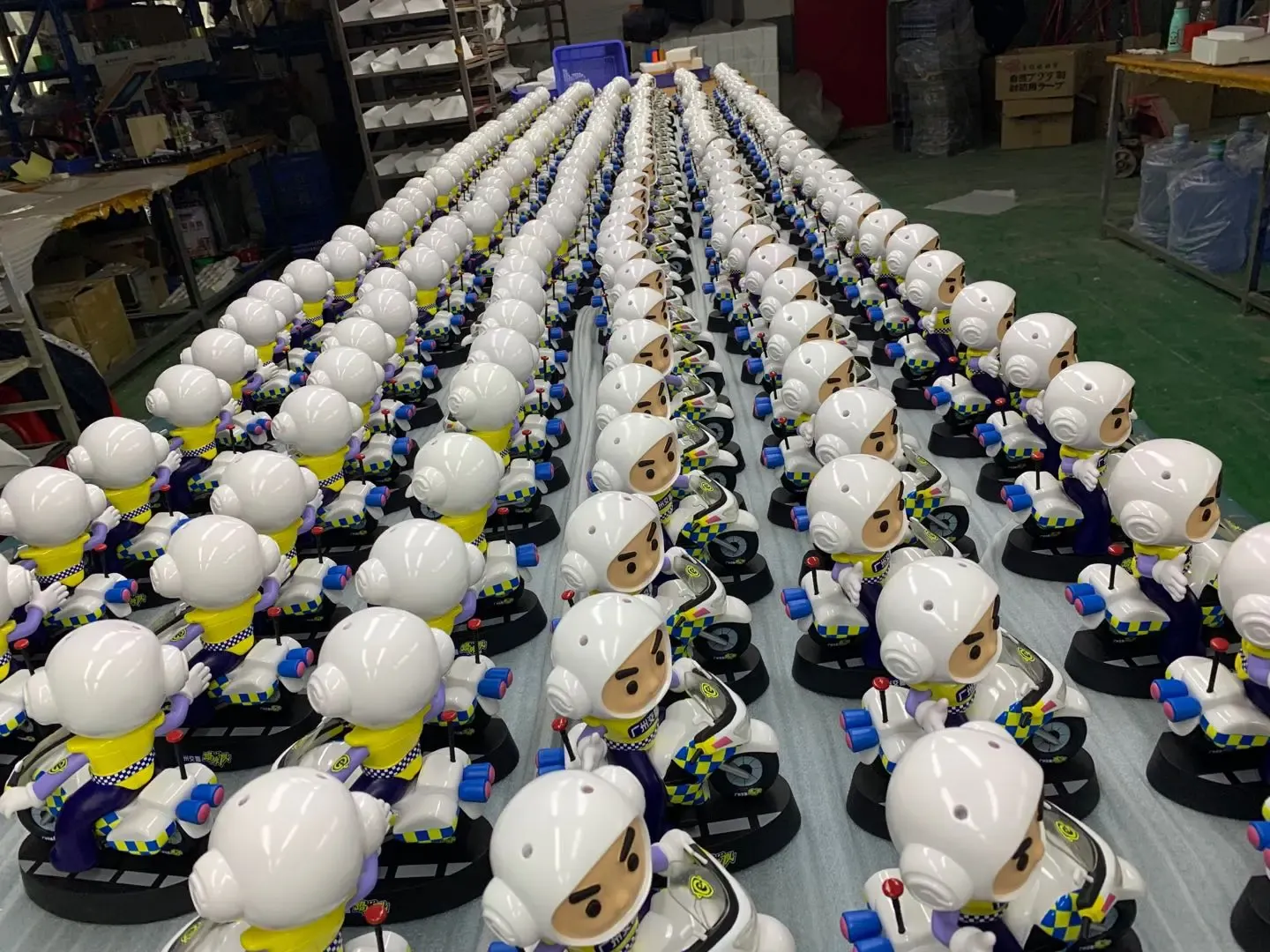
For a statue, the team usually spends more attention on the fixed gesture, part boundaries, base stability, castability and the relationship between the character and environmental elements. The approved master establishes a precise visual target, but production still has to reproduce assembly fit, surface preparation and paint placement consistently.
For a 1/6 figure, the team also has to coordinate body proportions with pattern development, closure methods, garment thickness and accessory clearances. A beautiful outfit shown separately is not enough; it must sit correctly on the actual body through the approved poses. Hands need to hold the intended objects, and footwear has to support the pose without creating an unexpected restriction.
This is why a format decision should include development and production voices. The art direction defines what the character must look like. The production review identifies what the owner must assemble, move or adjust—and whether those actions remain compatible with the approved appearance.
Packaging begins with the owner setup sequence
The packaging brief also changes with the format.
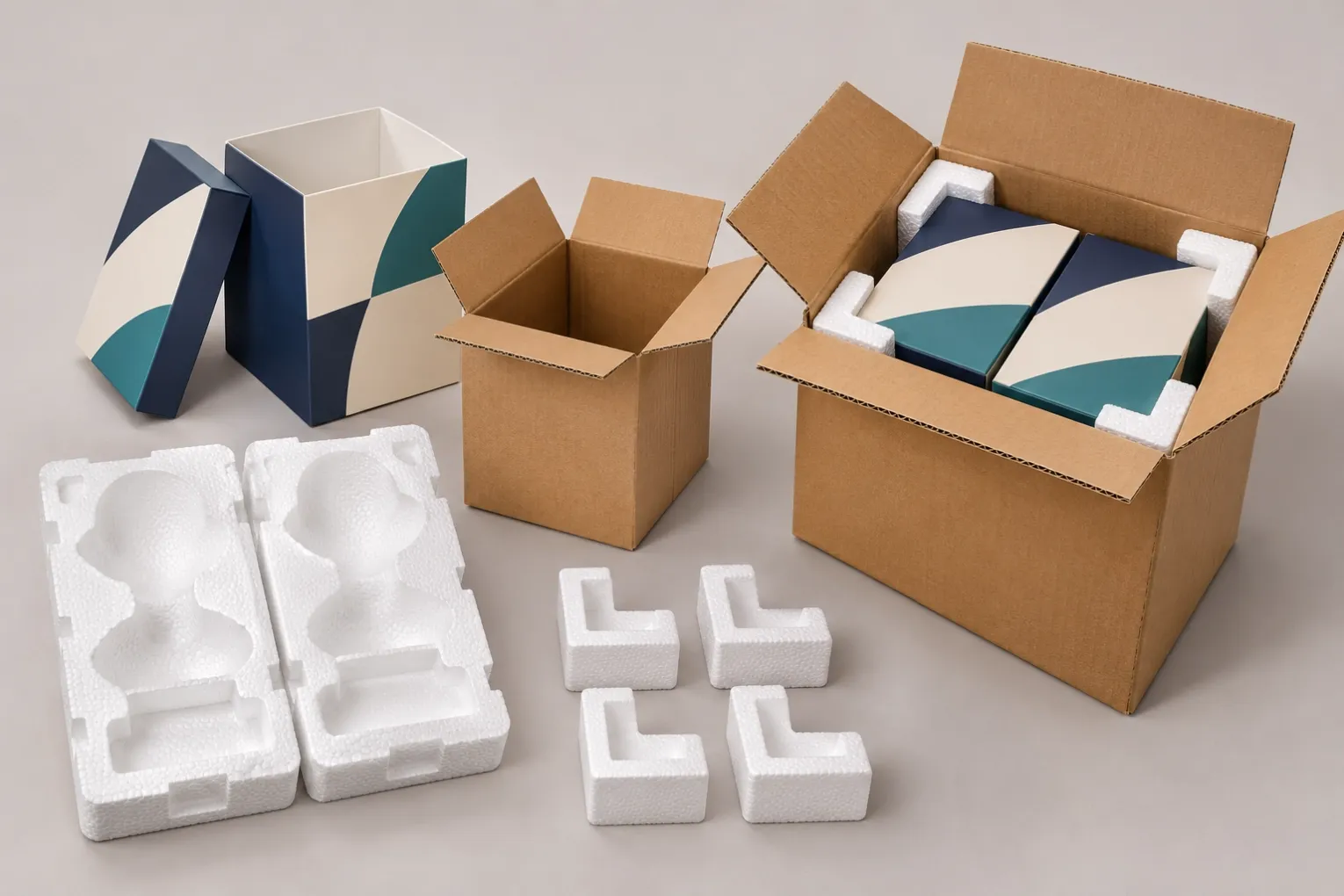
A statue may have a small number of larger, heavier sections with fragile projecting details. Its packaging needs to control those parts and make the assembly order clear. A 1/6 figure may contain many smaller accessories, alternate hands and clothing elements that need identification and secure storage.
In both cases, the team should rehearse the unboxing and setup sequence with the physical sample. That reveals questions a render cannot answer: Which part does the owner touch first? Is a connector easy to see? Can an accessory be removed without pulling another component? Does the finished display require instructions that the box layout should support?
The packaging review should therefore follow the product promise. A fixed statue should lead the owner toward the approved composition. An articulated figure should make its options understandable without turning setup into guesswork.
Write the format decision before detailed development
A short decision brief can prevent a great deal of avoidable revision. Before choosing the format, define:
- the intended display pose or range of poses;
- which elements the owner may move, swap or remove;
- whether clothing must be sculpted, fabricated or combined;
- the required accessories and how they are held;
- the approximate display footprint and base role;
- the owner assembly and setup sequence; and
- what the approval sample must demonstrate.
That brief gives the sculpting, engineering, fabric, painting and packaging teams the same product definition. It also makes the trade-off visible to the buyer: a statue protects one resolved composition, while a 1/6 figure creates controlled possibilities.
Mancheng develops both resin and mixed-material collectibles. Our development and production process connects the approved visual direction with the construction, finishing, assembly and packaging decisions needed for repeatable production.
FAQs
Is a resin statue always more detailed than a 1/6 figure?
No. Detail depends on the design, scale, sculpt, materials and finish. The more useful distinction is whether the product is built around a fixed composition or controlled owner interaction.
Can a 1/6 figure use resin parts?
Yes. A 1/6 product may combine different materials. Material choice should follow the function of each part, the desired finish and how the owner handles it.
When should the format be finalized?
Before detailed sculpting, pattern work and packaging development. Late format changes affect proportions, part construction, accessories, approvals and the owner setup sequence.