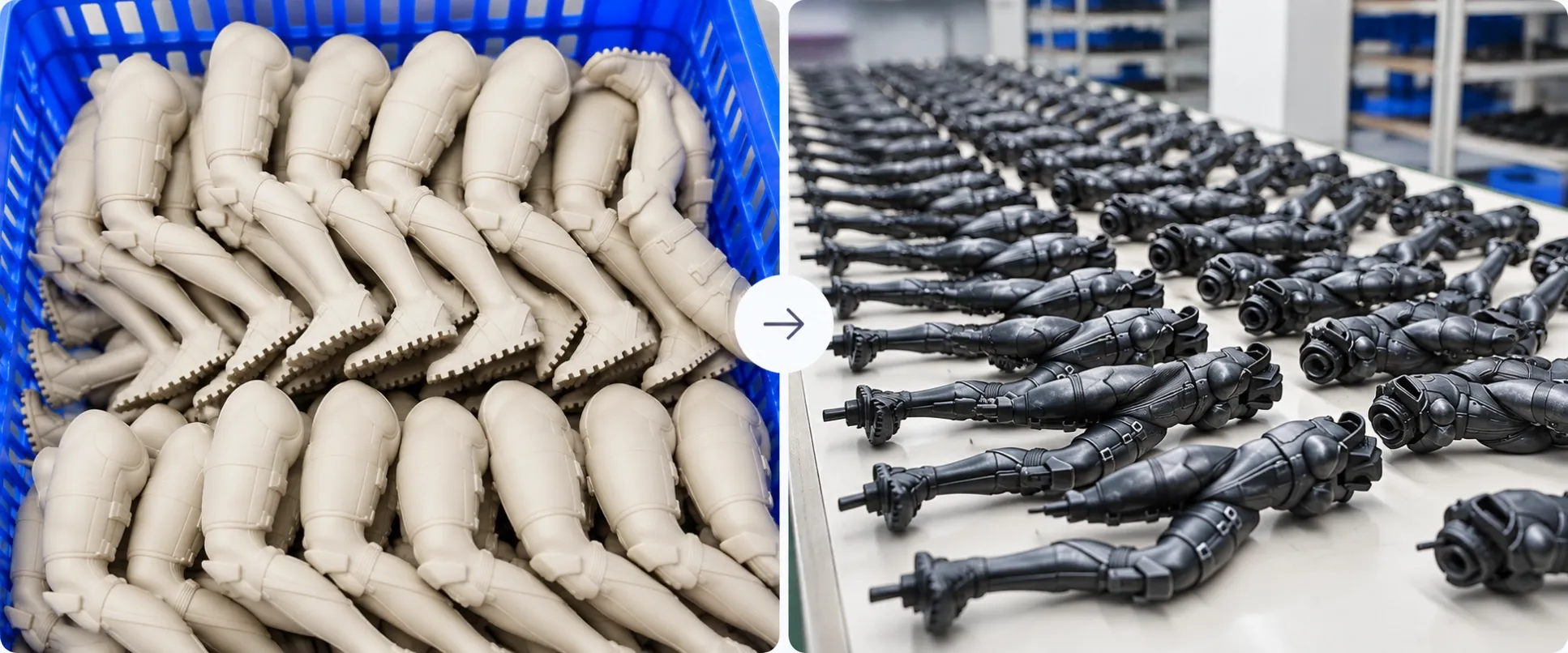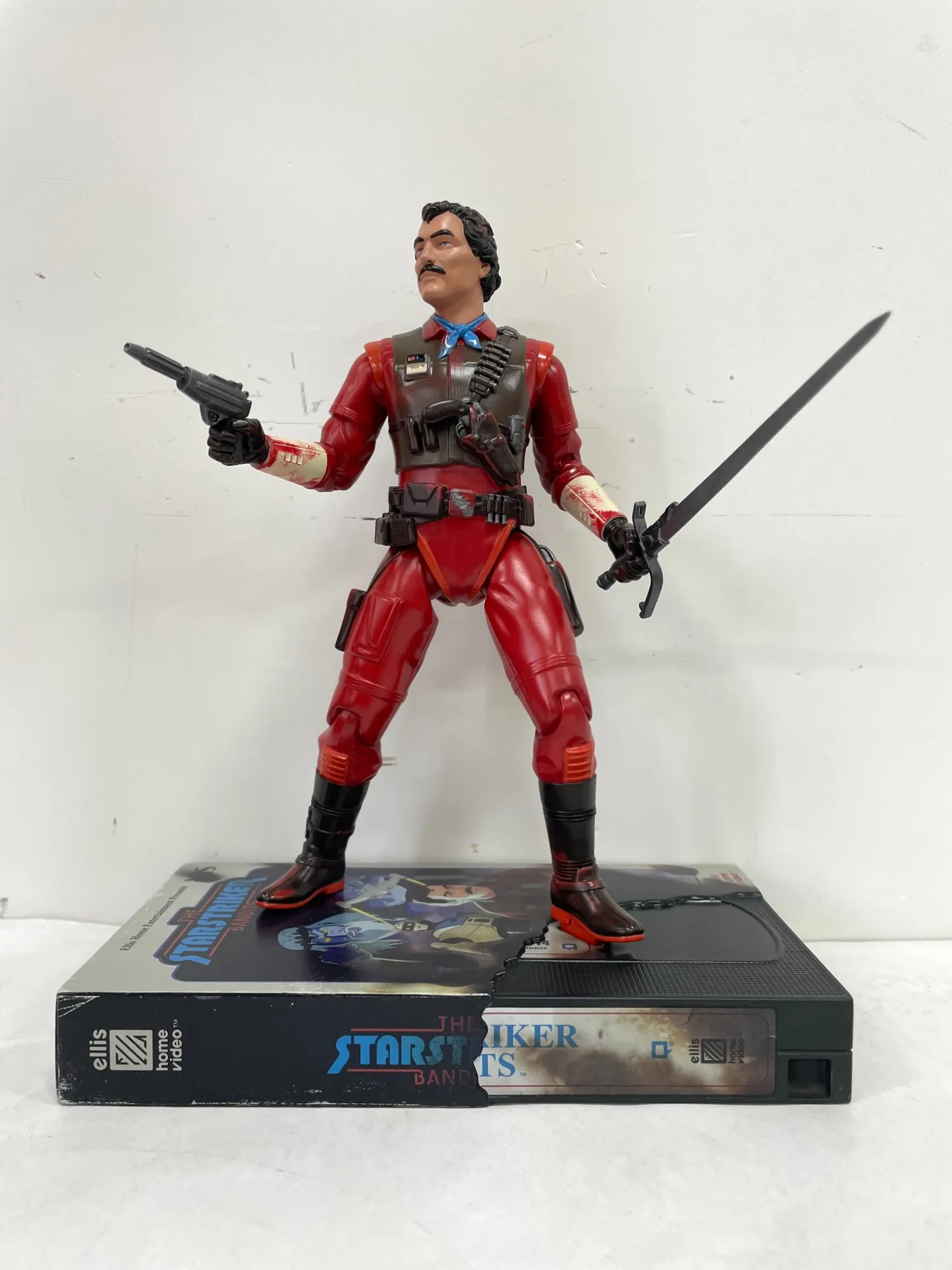
How to Handle Delicate Collectible Protrusions During Final Assembly
Thin fingers, antennae, blades and other protrusions need a defined handling plan. Learn how to protect them during assembly, inspection and packing.
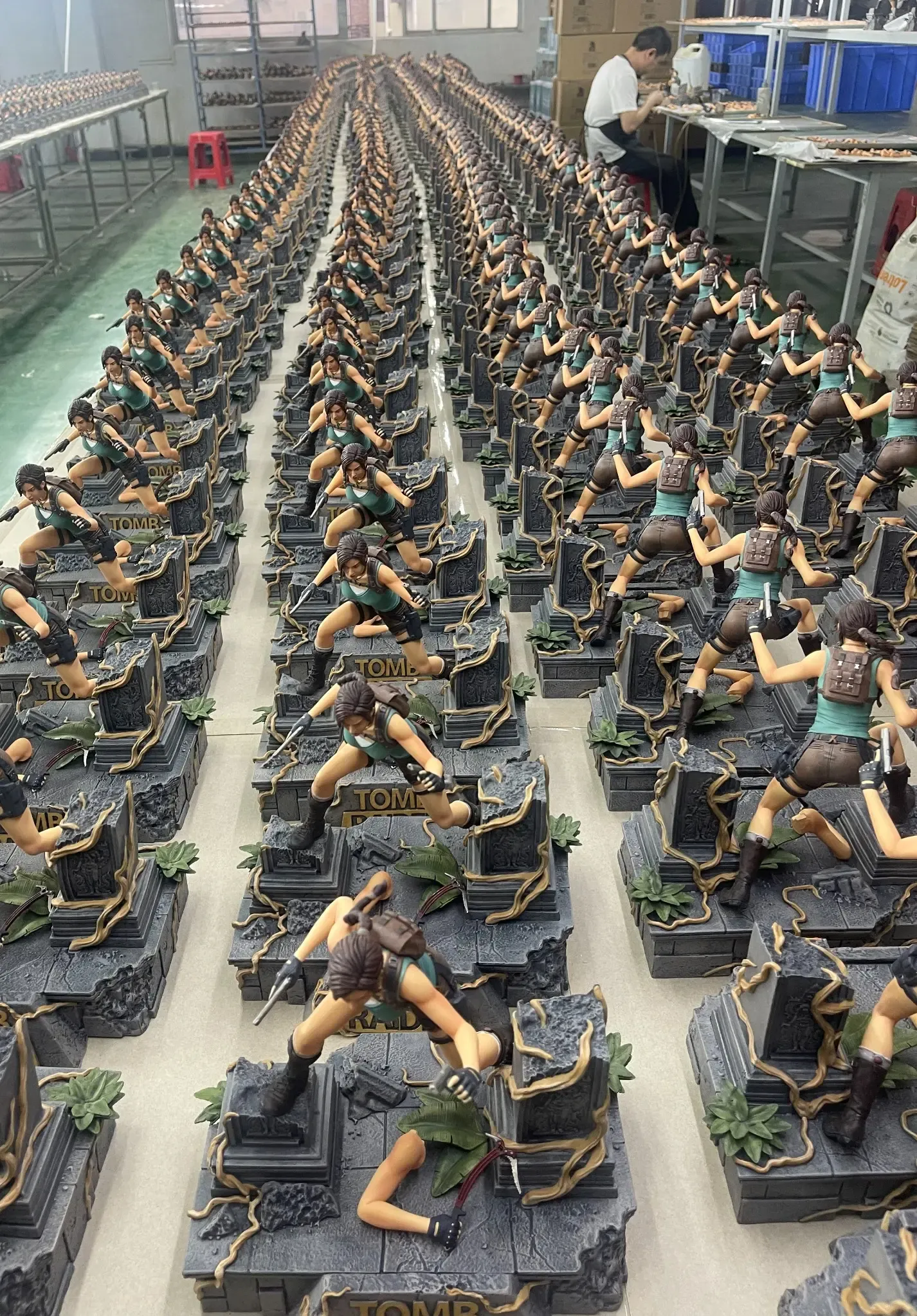
Thin fingers, antennae, blades, handles and other protrusions are often the first details to show damage during final assembly. The risk is not solved by simply telling operators to be careful. It needs a planned handling method tied to the part design, finish and packaging.
Identify the vulnerable zones
Mark fragile features on the approved assembly reference and explain why they are sensitive. A painted tip, a thin resin edge and a flexible PVC accessory require different controls. The team should know where to hold the product and which surfaces must not carry the weight of the figure.
Use the safest orientation
The best working position keeps delicate details away from the table, fixture and adjacent parts. If the product must be rotated, define the supported areas and the order of operations. A simple orientation sketch can prevent repeated handling mistakes.
Separate handling from inspection
Inspectors should be able to see the vulnerable feature without pressing or twisting it. If a gap or alignment issue requires force to check, the instruction should define a safe method. Visual review and functional movement should not be treated as the same test.
Protect the finished surface
Contact with foam, bags, clips or neighboring parts can mark a fresh finish or bend a thin feature. Confirm that temporary protection does not leave residue or hide a defect. The final package should support the product without transferring pressure to the fragile area.
Record damage by location and cause
When damage is found, record the exact feature, operation and product orientation. “Broken during assembly” is not enough to guide correction. A location-based record can show whether the issue belongs to part design, handling order, fixture access or packaging support.
Delicate details are part of the product experience, not an afterthought. Practical handling instructions protect the sculpt, while clear inspection points make reliability visible before the collectible leaves the line.
FAQ
Are thin features always unsuitable for mass production?
No. They need suitable geometry, material, handling and packaging decisions.
Can foam protect every fragile detail?
No. Foam can also apply pressure or rub a finish if the contact is not designed carefully.
Should damage checks happen only at final QC?
No. Add checkpoints after risky operations so the cause is easier to isolate.