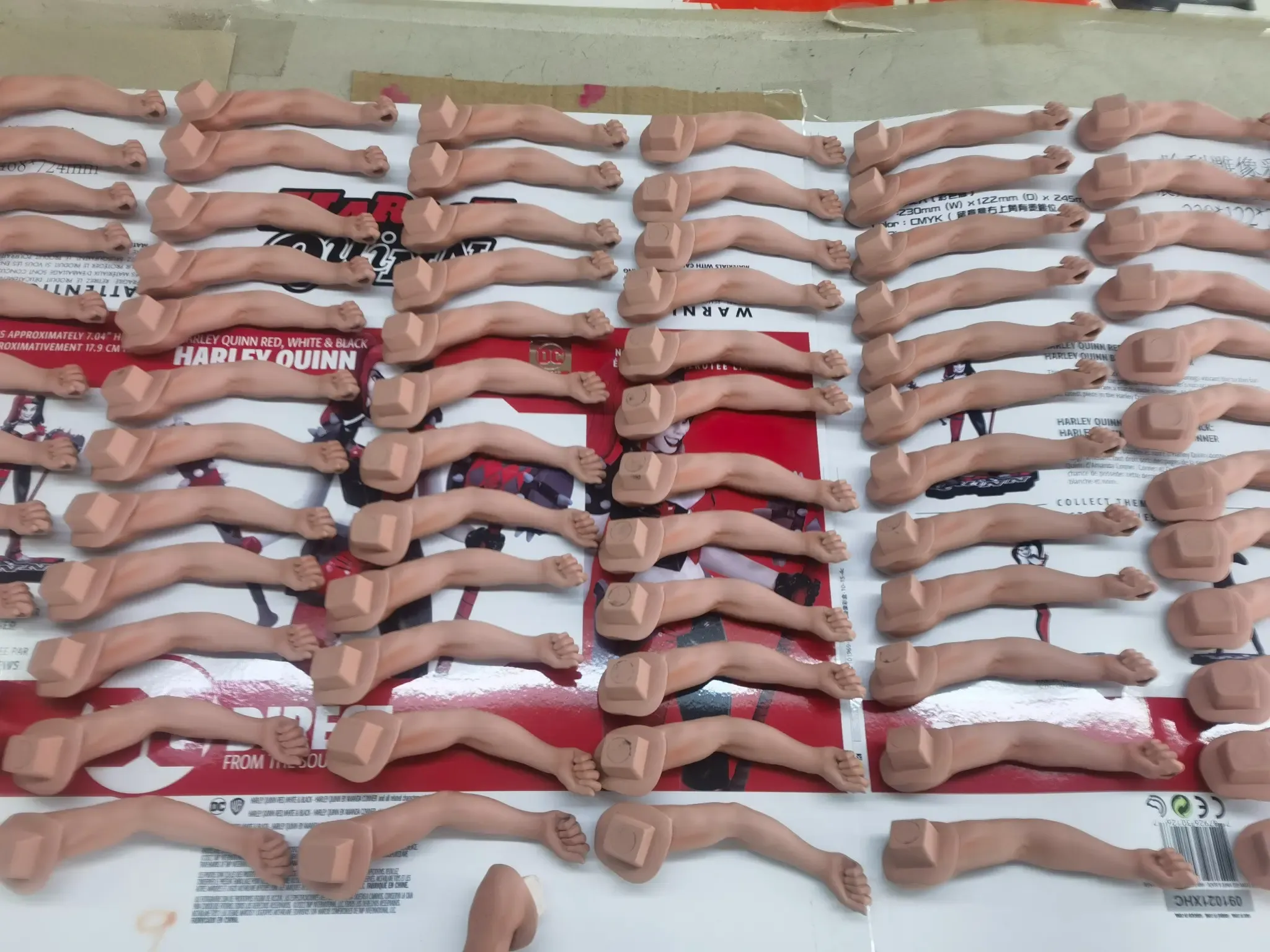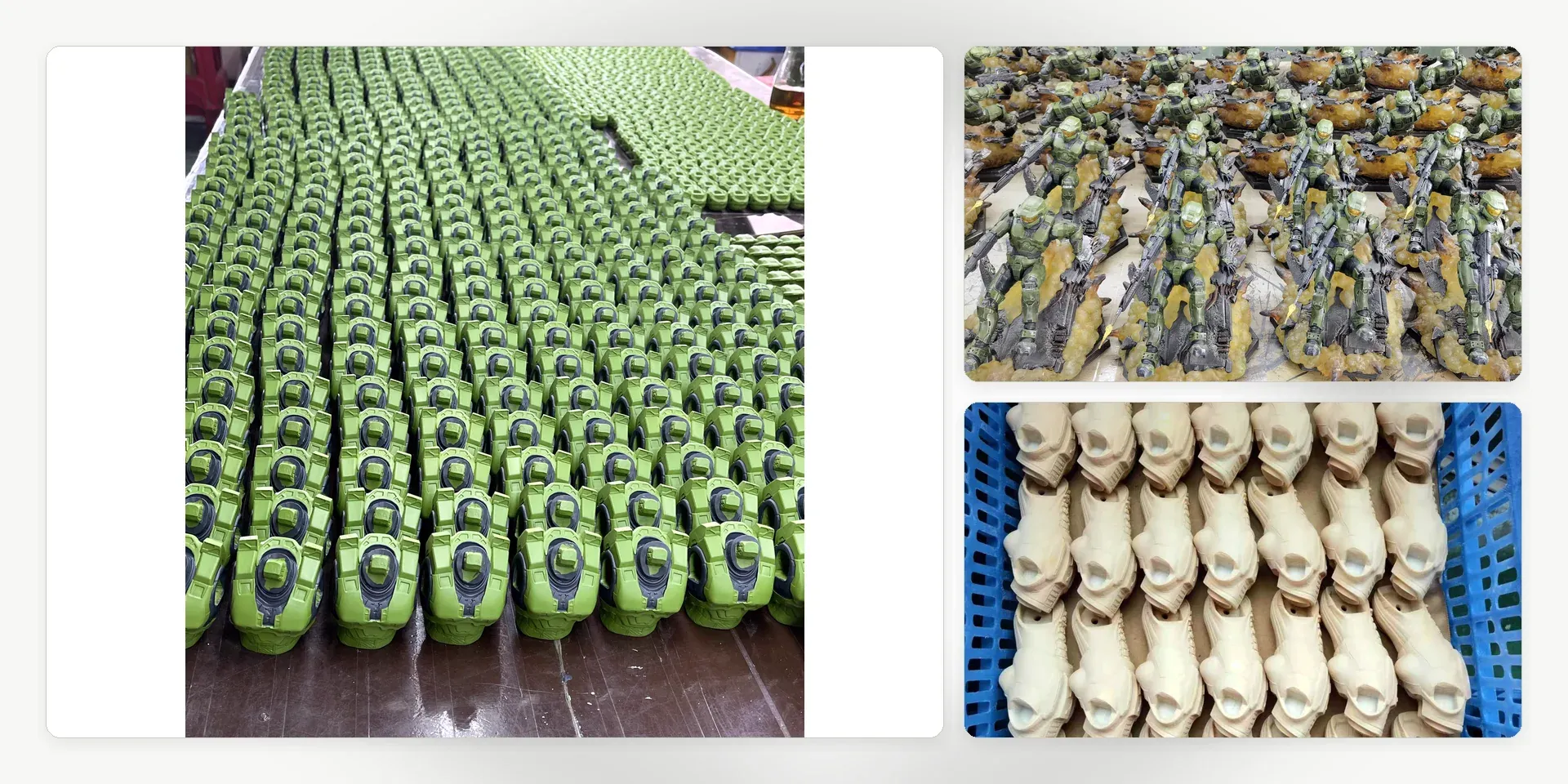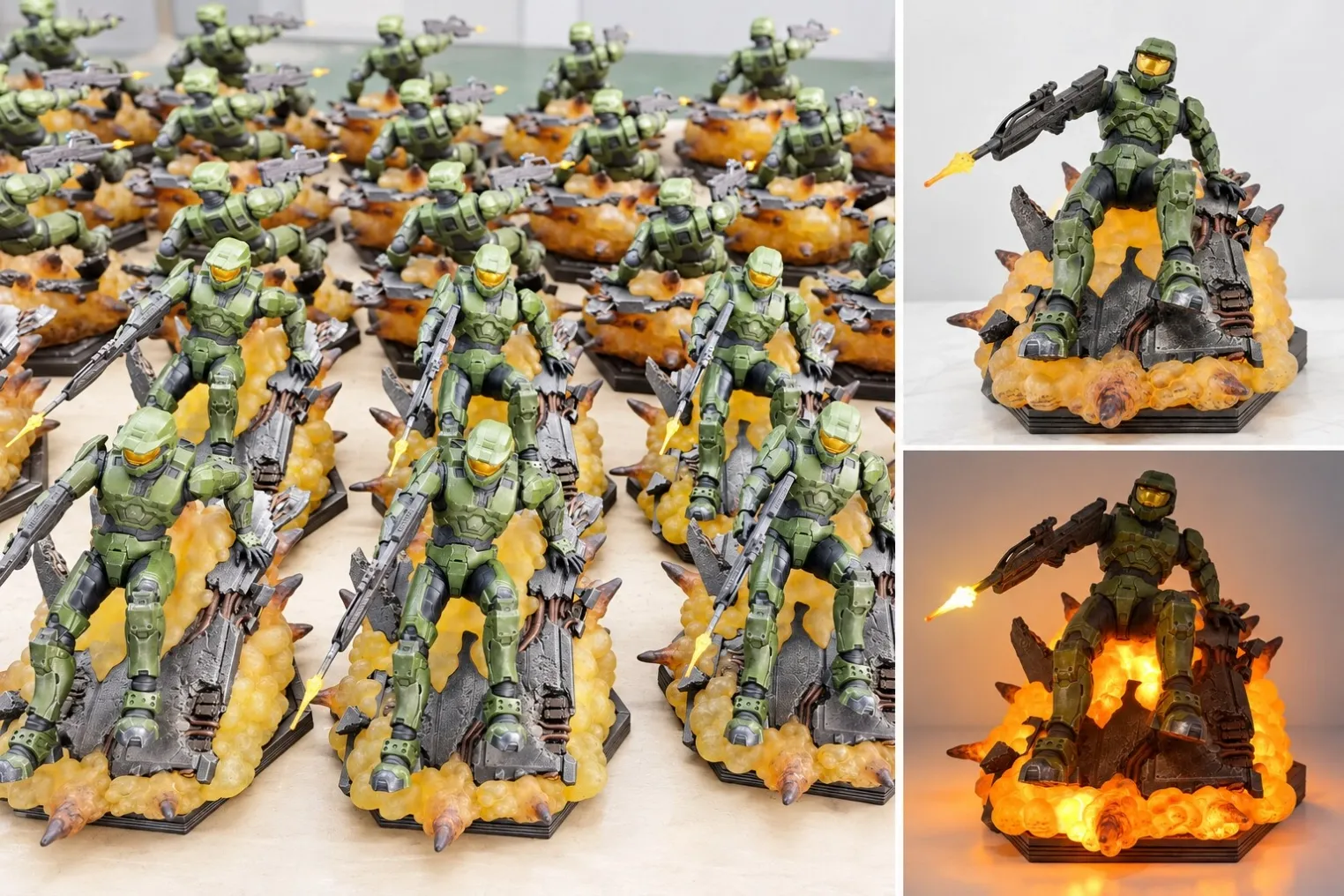
What Should Be Approved Before Tooling a Collectible?
A practical approval checklist for geometry, structure, materials, finishes, assembly and packaging before collectible tooling begins.
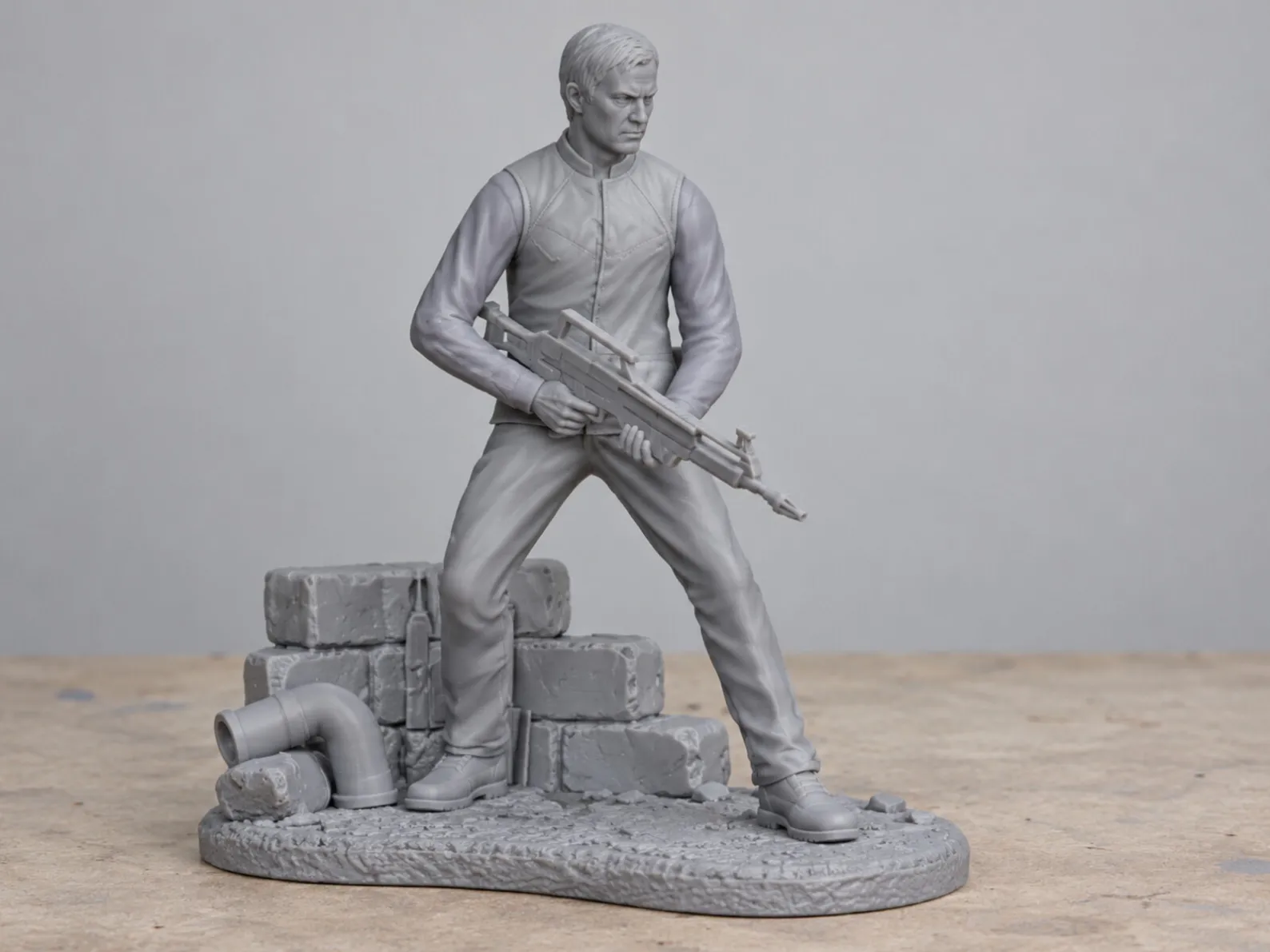
Before tooling starts, a collectible should have six areas approved: final geometry and scale, part structure, material and process mapping, surface and finish references, assembly requirements, and packaging interaction. A strong render is not enough. The approval package must show that the design can be molded, finished, assembled, inspected and protected without relying on unresolved decisions.
This is the point where creative approval becomes a manufacturing commitment. Changes are still possible after tooling begins, but they may require inserts, rework or a new tool. A disciplined review before release is usually faster than correcting a preventable problem later.
Why tooling approval needs more than a final sculpt
A digital sculpt can be visually complete while important production questions remain open. A thin weapon may look correct on screen but flex or break in handling. A deep recess may be difficult to mold or paint consistently. A hidden joint may need more engagement than the artwork allows. An electronic feature may require access for wiring, switches and assembly.
The purpose of a tooling review is not to simplify the product automatically. It is to identify where the design, process and quality standard depend on one another, then approve those decisions together. Our development and production process treats the prototype as both a visual reference and an engineering check.
1. Approve final geometry, scale and pose
Confirm the overall height, footprint, silhouette and pose using the final 3D data and, where practical, a physical 3D-printed prototype. The physical model often reveals proportion, balance and handling issues that are easy to miss on a screen.
Review the small features that carry large consequences
- Thin blades, fingers, straps, hair tips and costume edges
- Deep cavities, undercuts and areas with limited tool access
- Contact points between the figure, accessories and base
- Clearance between nearby parts after paint is applied
- Center of gravity and the size of the supporting footprint
If several sizes or variants are planned, state clearly which file controls each version. Scaling a file is not always neutral: walls, pegs and delicate details may need separate adjustment.
2. Approve the structure and critical interfaces
The tooling package should define how the collectible carries its own weight and how the parts locate during assembly. This includes peg diameter, socket depth, metal reinforcement, screw positions, magnet orientation and any load-bearing frame.
Not every dimension needs the same control. Critical interfaces should have defined tolerances, while non-critical cosmetic surfaces can allow normal process variation. Over-tight tolerances can increase rework; loose fits can create gaps, lean or movement. The correct range depends on material, part size, paint build and the expected assembly method.
3. Approve the material and process for every part
“Resin collectible” or “PVC figure” may describe the main body, but many projects use several materials. A practical approval sheet maps each component to its material and process: casting resin, PVC, ABS, fabric, metal, transparent parts or an electronic assembly.
This mapping affects wall thickness, flexibility, weight, shrinkage, surface preparation and bonding. Mixed-material work also requires compatible adhesives, finishes and assembly sequences. The choice should follow the part’s function, not only the product category. See our collectible manufacturing capabilities for the processes that can be combined within one project.
4. Approve surface condition and finish references
Tooling approval should identify which details belong in the molded surface and which will be created by paint, printing or applied components. Texture that is too shallow may disappear after primer and paint. Texture that is too aggressive may change the intended scale or make clean finishing difficult.
Finish references should define important color relationships, gloss levels, transparent or metallic areas, weathering boundaries and any areas that must remain free of paint for assembly. A painted sample is valuable, but written callouts reduce ambiguity when lighting or photography changes the appearance of that sample.
5. Approve assembly, fabric and functional features
For articulated 1/6 figures, fabric work and joint clearance must be reviewed together. Garment thickness can restrict movement or alter the silhouette. Closures, seams and layered clothing also affect the order in which the figure is dressed and inspected.
For LED, sound or mechanical features, approve the component space, cable paths, switch and charging access, light-blocking requirements, serviceability and final assembly sequence. Electronics should not be treated as a late addition to an already fixed shell. The external design and the internal package need to be resolved as one system.
6. Check packaging interaction before release
Packaging is not only a final shipping task. The tray or foam must support the collectible at strong areas, avoid pressure on delicate features and leave enough clearance for painted surfaces. Removable accessories need their own controlled locations, and heavy bases should not be able to move into lighter parts during transit.
At the tooling stage, confirm the intended product orientation, detachable parts and any size limits created by the retail carton or master carton. A small change to a base, weapon angle or assembly point can materially improve protection without changing the character of the design.
What a complete tooling approval packet should contain
- Final controlled 3D files and key overall dimensions
- Approved physical prototype or clearly documented review images
- Part list with material and process assignment
- Part structure, critical joints and reinforcement decisions
- Finish references and areas requiring special handling
- Assembly sequence for fixed, articulated or functional parts
- Preliminary packaging orientation and protection requirements
- A written list of open items, each with an owner and approval date
The last point matters. A project can proceed with a limited open item only when its effect on tooling is understood. If an unresolved decision could change a cavity, joint or major surface, it should normally be closed before release.
Practical trade-offs before saying “approved”
Waiting for perfect information can delay a project, but early tooling does not remove uncertainty; it moves uncertainty into a more expensive stage. The sensible threshold is to close all decisions that affect molded geometry, structural performance and assembly access, while allowing controlled development of items that do not change the tools.
When a late creative change clearly improves the product, reopening the review can be justified. The decision should compare the visible benefit against tool modification, schedule impact, sample repetition and new risks introduced elsewhere. The goal is not to prevent change. It is to understand its full production effect before committing.
Frequently asked questions
Is a painted prototype required before tooling?
Not always. Geometry and engineering can be approved from a well-reviewed physical prototype, while some finish development continues separately. However, texture depth, part boundaries and finish-dependent assembly areas should already be resolved.
Can packaging be finalized after tooling?
Detailed packaging can continue later, but product orientation, detachable parts, support points and major size constraints should be checked before tooling. Otherwise, the finished product may force avoidable packaging compromises.
Who should sign off on tooling release?
The brand or product owner should confirm the controlled design, while the manufacturing team confirms feasibility, structure, process and known risks. For licensed products, required approval steps should also be closed according to the project’s approval chain.
If you are preparing a design for prototype review or tooling release, contact Mancheng with the available files and approval status. We can identify the remaining production decisions before tooling begins.