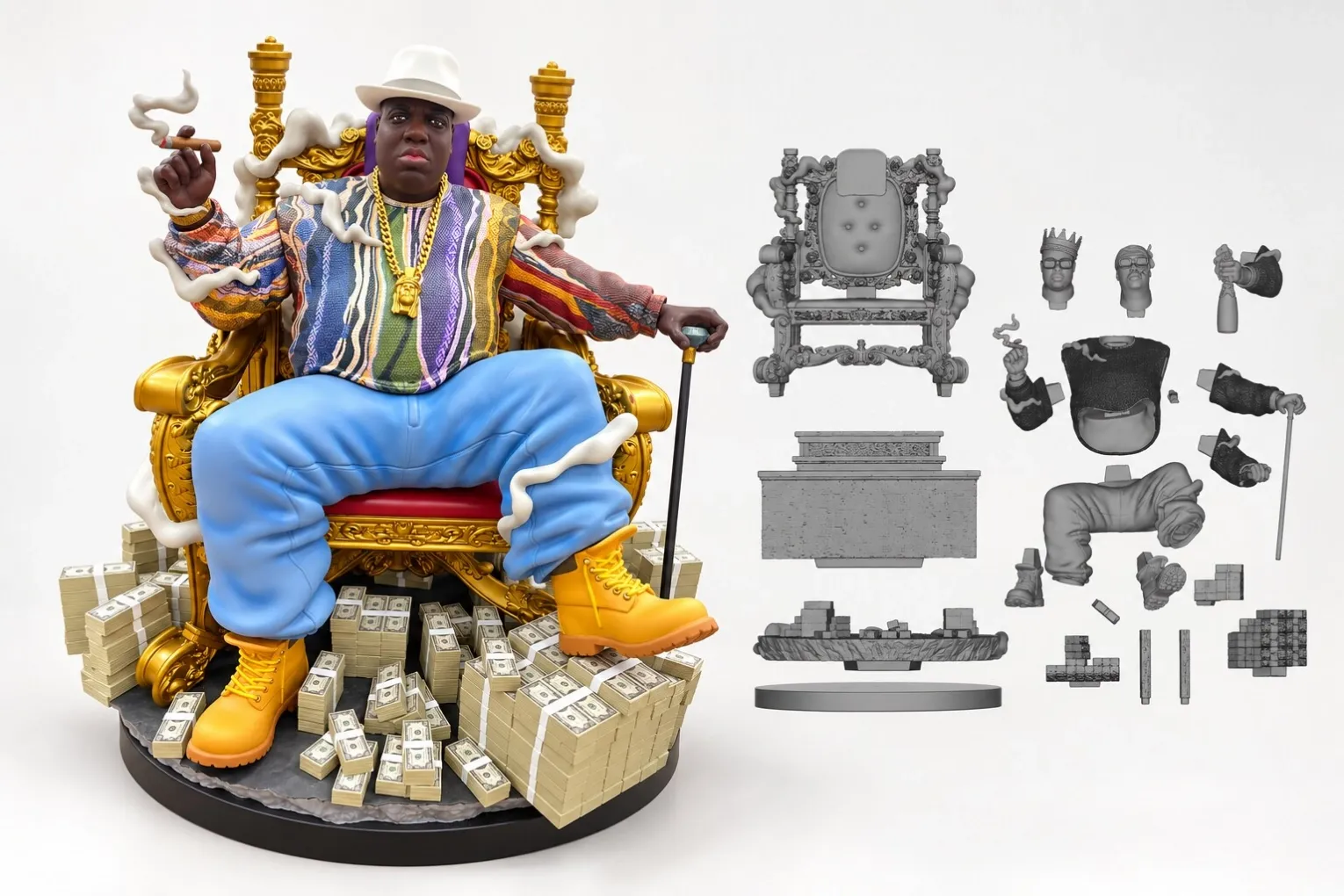
What Should Be Reconfirmed Before Reordering a Collectible?
Before reordering a collectible, reconfirm the approved revision, tooling condition, materials, finish references, packaging and changes since the first production run.
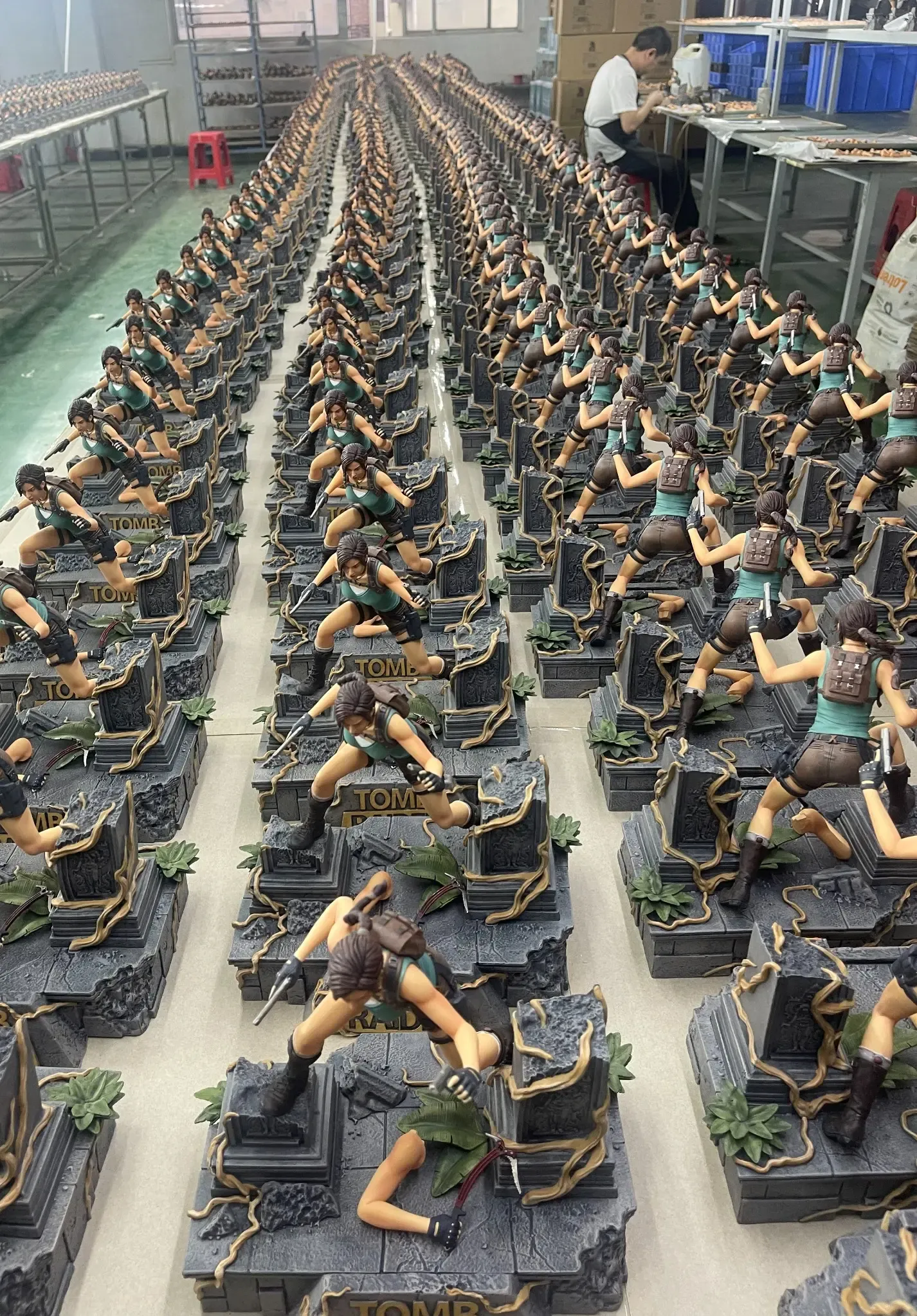
Before reordering a collectible, reconfirm the exact product revision, the availability and condition of production resources, current materials and finish references, packaging requirements and any changes since the previous run. A repeat order should begin with a defined review of what can genuinely be repeated, rather than an assumption that the old purchase order is a complete production instruction.
The original run is valuable evidence. It shows a product that has already moved through development and production. But it also leaves a history: approved corrections, substituted components, packing adjustments and feedback from the finished goods. The reorder needs that history in a usable form.
Define which version is being ordered again
Start with the last released product definition, not the earliest approved prototype or the most convenient photograph. Identify the sculpt revision, assembled configuration, materials, accessories, finish references and packaging artwork that belong to the reorder.
A promotional image may show a preproduction arrangement. An old quotation may describe an accessory that was later changed. A factory reference may contain a correction approved during the first run. These documents can all be real and still describe different versions.
Resolve those differences before asking production to repeat the result. If the reorder intentionally follows an earlier version, say so explicitly. The decision should not depend on someone recognizing which photograph the buyer meant.
Review production resources before promising a restart
Confirm whether the relevant molds, tools, fixtures and retained references are available and suitable for another run. Their existence in a project record does not establish their current condition. The responsible team should identify what can be used, what needs attention and what must be replaced.
Avoid assuming a universal tool life or an automatic restart interval. Different collectible constructions and processes require different reviews. The useful commercial question is whether the proposed quantity and current product definition can be supported by the resources now available.
If a resource needs replacement, separate the implications. Does the work reproduce the same approved geometry, or could it affect fit, surface appearance or assembly? That distinction helps define the sample evidence required before the reorder proceeds.
Reconfirm materials and bought-in components
A repeat product can still face a changed supply situation. Confirm the current availability of the specified fabric, hardware, electronic component, coating or packaging material where these are relevant. Do not treat a similar supplier description as proof of equivalence.
If a proposed alternative touches appearance, fit, handling or function, identify that effect and arrange an appropriate review. A lining change may affect the way a garment sits. Another switch may alter access through a base. A different insert material may change the way the product is supported.
These are possible review questions, not claims that every reorder will encounter a substitution. Where the specification and supply remain unchanged, record that too. The goal is a clear answer rather than a search for unnecessary redevelopment work.
Bring the production reference back into use
Retained samples and finish references should be identifiable and usable. Confirm which reference defines the reorder and whether it still provides a dependable appearance target. If a reference is damaged, incomplete or its condition is uncertain, resolve the target before comparing new samples against it.
Photographs from the first run can explain placement and configuration, but they do not settle every question about color, sheen or physical fit. Use the evidence appropriate to the feature being reviewed.
A restart sample can be useful when it answers a defined uncertainty: a renewed mold, a material alternative, a changed painting route or a revised assembly detail. Requiring a sample without stating its purpose can consume time without settling the decision that actually matters. Conversely, calling the order a repeat is not a reason to omit evidence for a material change.
Use feedback without quietly changing the product
Review documented issues from the previous run and distinguish an approved correction from an unapproved improvement. If the brand wants a change, make it part of the current specification and decide what needs reapproval.
For example, an accessory that was difficult to identify in the packing tray might need clearer instructions or a packaging change. That does not automatically justify altering the accessory itself. Establish the problem before choosing the remedy.
This is where reorder review differs from simply processing another quantity. The team can preserve what worked while making deliberate decisions about the issues that remain. Existing guidance on changes after sample approval explains the revision-control step when a correction changes the approved product.
Recheck packaging and the commercial assumptions
Confirm the destinations, shipping configuration, included documents and current packaging artwork. A repeat collectible may enter a different channel, include another language version or use a different carton assortment. The product may be unchanged while the packing definition is not.
Price and timing should follow the confirmed scope and current production conditions. Do not promise that an old unit price or lead time automatically applies simply because development has been completed before. Equally, identify which development work is already settled so the reorder is not treated as an entirely new project without reason.
The final release should make the unchanged specification, approved changes, outstanding checks and responsible approvals easy to find. Within the development and production process, a reorder is a controlled restart with a known history. That history should reduce uncertainty, not hide it.
Frequently Asked Questions
Does every repeat order need a completely new prototype?
No. Define what has changed or remains uncertain, then choose the evidence needed to resolve it. An unchanged product may need a different review from one using renewed tooling or alternative materials.
Can the previous approved sample remain the standard?
Yes, when it is the correct identifiable revision and its condition is suitable for the features being judged. Resolve damaged, incomplete or uncertain references before relying on them.
Should a reorder use the old price and delivery schedule?
Reconfirm both against the current quantity, specification, resource condition and supply situation. A previous order provides context, not an automatic current commitment.